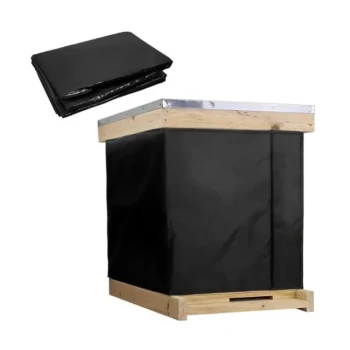
Standard beehives and specialized insulation function as an integrated thermal defense system. The hive acts as the structural foundation, while materials like foam boards, straw mats, and custom covers serve as a thermal barrier to minimize heat loss. This combination creates a stable microclimate that drastically reduces the metabolic energy required for the colony to maintain warmth, directly impacting survival rates.
The core challenge of overwintering is energy conservation. Insulation does not warm the bees; it retains the heat the cluster generates, lowering the rate at which they must consume honey stores to survive.
The Physical Foundation: Standard Beehives
Structural Integrity and Volume
The standard beehive, often a Langstroth Hive Body, provides the standardized physical volume necessary for the colony to form a winter cluster. Its wooden walls offer the initial layer of structural protection against wind and precipitation.
Standardization for Adaptability
Because these hives utilize standardized dimensions, they allow for the seamless integration of overwintering tools. This makes it easy to install external insulation wraps or internal division board feeders without compromising the hive's seal.
Polystyrene Alternatives
Some apiaries utilize polystyrene beehives instead of traditional wood. These materials offer superior intrinsic insulation, maintaining warm and dry conditions that significantly reduce the risk of starvation by lowering the colony's energy expenditure.
The Thermal Barrier: Specialized Insulation
Minimizing Heat Transfer
Specialized materials such as foam boards, straw mats, and custom insulation covers are applied to the hive to reduce thermal conductivity. By slowing the rate at which heat escapes the hive, the colony can maintain its core survival temperature with less effort.
Creating a Stable Microclimate
Insulation smoothes out the rapid temperature fluctuations of the outside environment. This stability prevents the colony from experiencing "cold stress," ensuring the cluster remains compact and functional even during extreme cold days.
Protecting Against Food Shortages
The primary role of insulation is actually resource management. When heat is conserved, bees consume less honey to generate body heat. This ensures that their limited food stores last longer, preventing starvation before spring foraging begins.
Understanding the Trade-offs
Insulation vs. Ventilation
While trapping heat is vital, an over-insulated hive without proper airflow can become a damp trap. Beekeepers must balance insulation with adequate ventilation to prevent condensation, as wet bees in winter will freeze regardless of the temperature.
Hardware is Not a Substitute for Nutrition
Insulation reduces caloric burn, but it does not replace the need for calories. Even a perfectly insulated hive requires sufficient internal food stores or internal hive feeders to provide high-energy syrup or protein patties during nectar scarcity.
Making the Right Choice for Your Goal
To maximize your colony's winter survival, align your equipment strategy with your specific objectives:
- If your primary focus is increasing survival rates: Prioritize high R-value materials like foam boards or polystyrene hives to minimize the metabolic load on the cluster.
- If your primary focus is operational efficiency: Utilize standardized Langstroth components that allow for the quick application of pre-fitted insulation wraps and internal feeders.
- If your primary focus is genetic selection: Consider using controlled overwintering rooms to isolate environmental variables and identify bee strains with superior natural cold resistance.
Successful overwintering is not just about keeping bees warm; it is about managing their energy budget so they have the fuel to thrive when spring arrives.
Summary Table:
| Component | Role in Overwintering | Primary Benefit |
|---|---|---|
| Standard Beehive | Structural Foundation | Provides standardized volume for winter clusters and wind protection. |
| Foam/Polystyrene | Thermal Barrier | High R-value insulation that drastically reduces metabolic energy loss. |
| Straw Mats/Covers | External Shielding | Minimizes heat transfer and smooths out external temperature fluctuations. |
| Internal Feeders | Resource Management | Provides essential nutrition to complement thermal energy conservation. |
| Ventilation Gaps | Moisture Control | Prevents condensation and dampness, which can be fatal to the cluster. |
Secure Your Apiary’s Success with HONESTBEE
Maximize your overwintering survival rates and prepare your business for a productive spring. At HONESTBEE, we specialize in supporting commercial apiaries and distributors with high-performance beekeeping solutions. From standardized Langstroth hive bodies and polystyrene hives to advanced honey-filling machinery and essential consumables, we provide the full spectrum of equipment needed to scale your operations.
Partner with us to access premium wholesale beekeeping tools and hardware designed for professional efficiency. Contact HONESTBEE today to discuss your bulk equipment needs and let us help you build a more resilient beekeeping business.
References
- Jiao Tang, Chao Chen. Survey Results of Honey Bee Colony Losses in Winter in China (2009–2021). DOI: 10.3390/insects14060554
This article is also based on technical information from HonestBee Knowledge Base .
Related Products
- Professional Insulated Plastic Bee Hives
- Professional Insulated Winter Hive Wrap for Beekeeping
- Inner Beehive Cover for Beekeeping Bee Hive Inner Cover
- Stainless Steel Round Beehive Air Vents for Ventilation
- Plastic Bee Hive Stand for Beekeeping
People Also Ask
- What are the advantages of plastic bee hives? Boost Efficiency & Durability for Your Apiary
- Are plastic bee hives any good? Unlock Durability & Efficiency for Your Apiary
- How do plastic bee hives compare to wooden hives in handling? Reduce Strain & Boost Efficiency
- Are plastic bee hives good? Durable, Low-Maintenance Hives for Modern Apiaries
- What are the disadvantages of plastic beehives? Key Operational and Environmental Risks Exposed