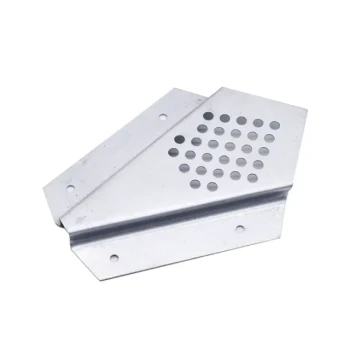
The hive entrance queen excluder functions as a precise biological checkpoint. It acts as a physical barrier that prevents the queen from leaving the hive for nuptial flights without researcher supervision. Most importantly, it retains the queen at the entrance upon her return, enabling the immediate identification and collection of drone endophalli (mating signs) required for scientific analysis.
By converting the hive entrance into a controlled gateway, the excluder ensures that every mating event is observed and documented. It eliminates the variable of unmonitored reproduction, which is essential for maintaining data integrity in studies regarding pathogen transmission.
The Mechanics of Control
Establishing a Physical Barrier
The fundamental role of the excluder is size-based filtration. It allows smaller worker bees to forage freely while physically restricting the larger queen from passing through the entrance.
This restriction prevents the queen from embarking on "unobserved" mating flights. In a research setting, this ensures that no reproductive activity occurs when the observer is not present to record it.
Retaining the Queen Upon Return
For monitoring purposes, the excluder plays a critical role after the flight as well. When a queen returns from a mating flight, the device retains her at the entrance or within a specific catch zone.
This allows researchers to intercept the queen before she re-enters the colony deep. This momentary retention is vital for inspecting the queen for physical evidence of mating.
Facilitating Scientific Observation
Collecting Mating Evidence
The primary biological indicator of a successful natural mating flight is the presence of a drone endophallus (mating sign) attached to the queen.
Because the excluder holds the queen upon her return, researchers can detect and collect these endophalli immediately. Immediate collection is often necessary to preserve the biological sample for analysis.
Studying Pathogen Transmission
The rigorous monitoring enabled by the excluder is specifically used to study how diseases spread during reproduction.
By confirming exactly when mating occurred and collecting the resulting biological material, researchers can trace the transmission vectors of pathogens between drones and queens. This provides "critical evidence" that would be impossible to gather if the queen were allowed to enter and exit the hive freely.
Understanding the Trade-offs
Natural Mating vs. Artificial Control
While the excluder facilitates monitoring natural mating, it is also used to prevent it entirely in different contexts.
As noted in supplementary contexts, excluders are often used to block nuptial flights completely to ensure a virgin queen remains distinct for artificial insemination. You must distinguish between using the tool to monitor a flight (allowing it under supervision) and using it to prevent genetic interference (keeping the queen locked in).
Risk of Colony Instability
Using an excluder requires careful timing. In the context of colony establishment, it prevents absconding (the colony leaving the hive).
However, obstructing the queen for too long without a specific purpose can hinder normal colony development, such as delaying the onset of egg-laying or causing stress to the colony attempting to stabilize.
Making the Right Choice for Your Goal
To utilize a queen excluder effectively, you must align its application with your specific objective:
- If your primary focus is studying pathogen transmission: Use the excluder to gate the queen's flights, ensuring you are present to inspect her for drone endophalli immediately upon her return.
- If your primary focus is genetic purity: Use the excluder to permanently block natural nuptial flights, ensuring the queen can only be fertilized via artificial insemination.
- If your primary focus is colony stabilization: Install the excluder temporarily during the initial transfer to a new hive to physically prevent the queen from absconding.
The queen excluder transforms the chaotic nature of bee reproduction into a measurable, verifiable data point.
Summary Table:
| Function | Primary Mechanism | Key Benefit for Researchers/Beekeepers |
|---|---|---|
| Flight Gating | Size-based physical barrier | Prevents unobserved mating flights; ensures data integrity. |
| Mating Evidence | Retention at entrance | Allows immediate collection of drone endophalli for analysis. |
| Disease Study | Controlled entry/exit | Facilitates tracing of pathogen transmission vectors. |
| Genetic Purity | Complete flight blockage | Prevents natural mating to prioritize artificial insemination. |
| Colony Stability | Physical restriction | Prevents the queen and colony from absconding during setup. |
Scale Your Apiary Operations with HONESTBEE Professional Equipment
Precision is the backbone of successful commercial beekeeping and research. At HONESTBEE, we specialize in supporting commercial apiaries and distributors with a comprehensive wholesale portfolio designed for efficiency and scale.
Whether you need specialized hive-making machinery, automated honey-filling systems, or high-quality beekeeping tools and consumables, we provide the industrial-grade solutions required to optimize your production. Our expertise ensures that you have the right hardware to maintain colony health, ensure genetic purity, and maximize honey yields.
Ready to elevate your beekeeping business? Contact HONESTBEE today to discuss our wholesale offerings and discover how our equipment can streamline your operations.
References
- Esmaeil Amiri, Per Kryger. Deformed wing virus can be transmitted during natural mating in honey bees and infect the queens. DOI: 10.1038/srep33065
This article is also based on technical information from HonestBee Knowledge Base .
Related Products
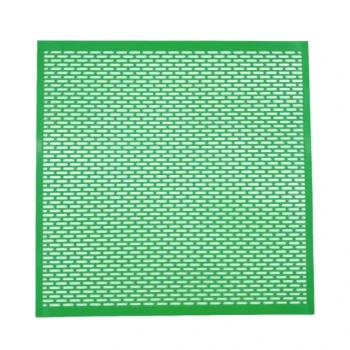
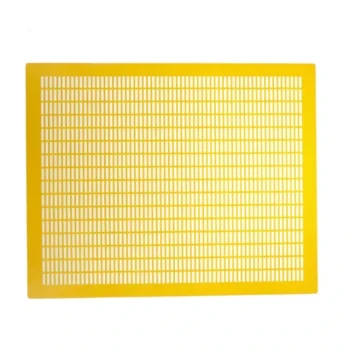
- Plastic Queen Bee Excluder for Bee Hive Wholesale
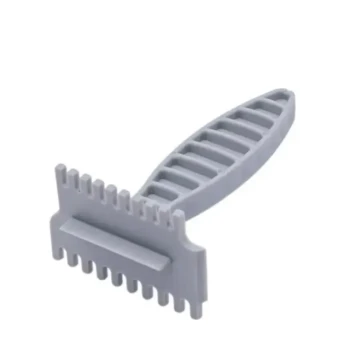
- Lightweight Durable Plastic Queen Excluder Scraper for Beekeeping
- Professional Dual Action Queen Excluder Scraper for Beekeeping
- Stainless Steel Scraper for Metal Queen Bee Excluders
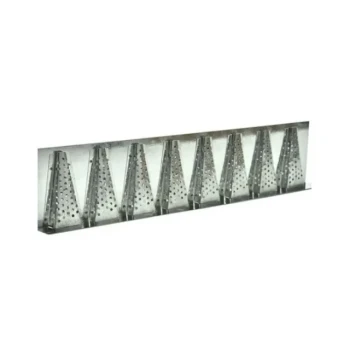
- 8-Cone Galvanized Steel Bee Robber Guard
People Also Ask
- Why are standardized hive frames and queen excluders essential for maintaining honey purity and quality? Scale Your Purity
- What types of queen excluders are available for beekeepers? Choose the Right Tool for Your Hive
- How does a queen-bee excluder function as a defense against Small Hive Beetles? Protect Your Honey with Resource Denial
- What are the potential benefits of not using an excluder in a beehive? Boost Colony Strength & Honey Production
- What materials are modern queen excluders made from? Choose the Right Material for Your Apiary