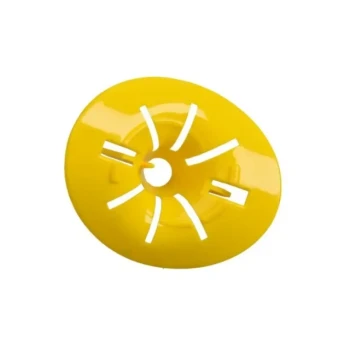
A pollen trap serves as the primary hardware interface for automating the separation of pollen from foraging bees. It functions as a mechanical barrier installed at the hive entrance, forcing returning bees to navigate through specific apertures that strip pollen pellets from their hind legs and deposit them into a collection box.
The pollen trap systematically intercepts raw materials by utilizing a precision grid that separates pollen without harming the bee. This allows for the efficient collection of high-purity commercial products while relying on strict timing to ensure the colony retains enough resources for its own development.
The Mechanics of Automated Separation
The Physical Grid System
The core mechanism of a pollen trap is a grid or mesh barrier placed directly in the flight path of returning foragers. This grid contains holes that are precisely sized—large enough for a worker bee to squeeze through, but too narrow to accommodate the pollen pellets stored in the "baskets" on their hind legs.
Gravity-Fed Collection
As the bee forces its way through the aperture, the mechanical friction dislodges the pollen balls. These pellets fall away from the bee and drop through a secondary screen into a designated collection tray or box located at the bottom of the device.
Non-Destructive Harvesting
Crucially, the design focuses on the physical integrity of both the harvest and the harvester. The apertures are engineered to remove the pollen payload without causing physical injury to the insect, ensuring the workforce remains active and healthy.
Optimizing for Yield and Purity
Strategic Timing Windows
Systematic harvesting relies heavily on timing to maximize efficiency. The primary reference indicates that deploying pollen traps during peak foraging periods—specifically between 6:00 AM and 11:00 AM—yields the highest volume of product.
Enhancing Raw Material Quality
By mechanically intercepting the pollen immediately upon the bee's return, the trap minimizes the introduction of environmental impurities inside the hive. This ensures the collected pollen maintains the high level of preliminary purity required for deep processing, research, or commercial supply.
Balancing Harvest with Colony Health
Preventing Resource Starvation
While the goal is systematic collection, a pollen trap cannot be a permanent fixture. Continuous use would starve the colony of the protein required to rear brood. The trap is a tool for partial restriction, designed to be used intermittently so the colony development is not negatively impacted.
Managing Hive Access
Modern traps often feature a mechanism to slide out or lift the stripping grille. This allows the beekeeper to switch the trap to an "open" mode, granting unimpeded access for all bees—including drones, which are larger and cannot pass through the stripping apertures—when harvesting is not in session.
Making the Right Choice for Your Goal
To effectively utilize a pollen trap in a systematic harvesting operation, consider the following approach:
- If your primary focus is Commercial Yield: Deploy traps strictly during the peak morning window (6:00 AM to 11:00 AM) to capture the highest density of incoming pollen loads.
- If your primary focus is Colony Sustainability: Ensure the stripping grille is regularly removed or disabled to allow the hive to replenish its internal protein stores and facilitate drone movement.
Effective pollen harvesting is not about constant collection, but about leveraging mechanical precision during peak flow to secure surplus without compromising the hive.
Summary Table:
| Feature | Function in Systematic Harvesting |
|---|---|
| Physical Grid System | Precisely sized apertures strip pollen pellets from foragers' legs. |
| Gravity-Fed Collection | Dislodged pollen falls into a protected tray, reducing contamination. |
| Non-Destructive Design | Ensures the workforce remains healthy while harvesting raw materials. |
| Peak Timing (6-11 AM) | Maximizes collection volume during the highest daily foraging activity. |
| Intermittent Operation | Allows the colony to retain essential protein for brood rearing. |
Elevate Your Commercial Apiary with HONESTBEE
Are you looking to scale your pollen production or upgrade your hive infrastructure? HONESTBEE provides professional-grade beekeeping tools, machinery, and essential consumables specifically designed for commercial apiaries and global distributors. From precision-engineered pollen traps and hive-making machines to high-efficiency honey-filling equipment, we supply the full spectrum of hardware needed to streamline your operations and maximize purity.
Partner with HONESTBEE today to access wholesale pricing and industry-leading equipment.
References
- Coulibaly Siendou, Djakalia Ouattara. Caractérisation de l’activité de butinage du pollen par l’abeille mellifère au Centre-est de la Côte d’Ivoire : intérêt pour l’apiculture. DOI: 10.35759/jabs.150.5
This article is also based on technical information from HonestBee Knowledge Base .
Related Products
- Removable Plastic Pollen Trap With Ventilated Tray for Bees Pollen Collector
- 30 cm Plastic Entrance Hole Bee Pollen Trap and Collector
- Plastic Bee Pollen Trap Strips Comb Catcher Collector
- 8 Frame and 10 Frame Propolis Trap Collector Screen for Propolis Collection
- Professional Bucket Style Wasp and Moth Pheromone Trap
People Also Ask
- What are the design principles and advantages of pollen traps in the collection of bee pollen? Boost Your Apiary Yield
- What is the function of professional pollen traps in evaluating honey plants? Quantifying Pollination and Crop Potential
- What functions do pollen traps serve for bee bread production? Optimize Your Raw Material Collection
- What maintenance and pest prevention measures should be taken for pollen traps? Protect Your Hive and Harvest Quality
- How does the use of pollen traps in honeybee hives enhance crop fertilization? Boost Your Yield Through Induced Activity