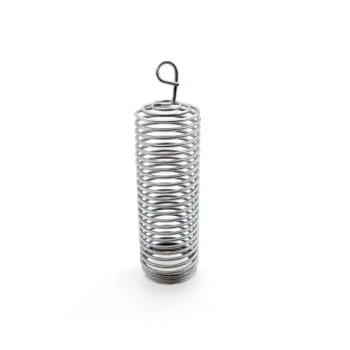
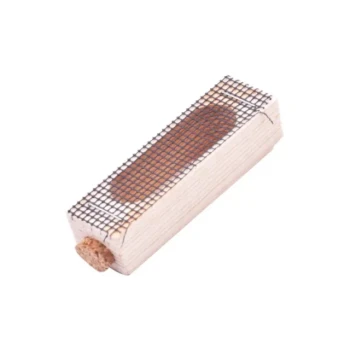
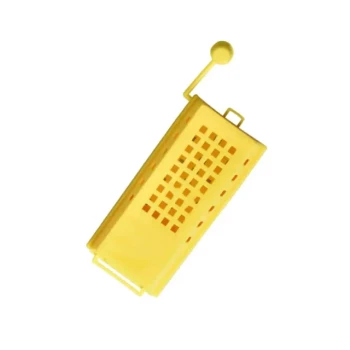
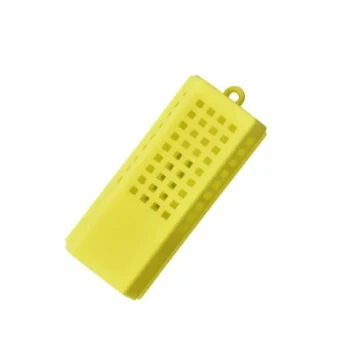
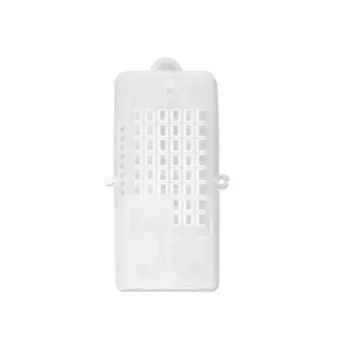
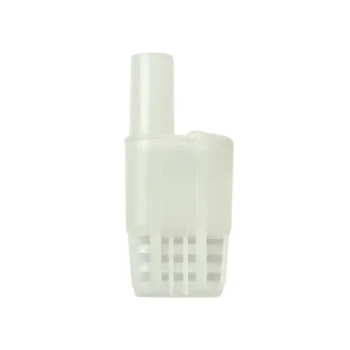
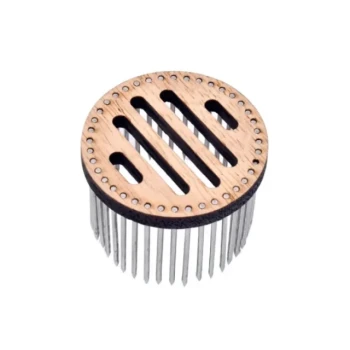
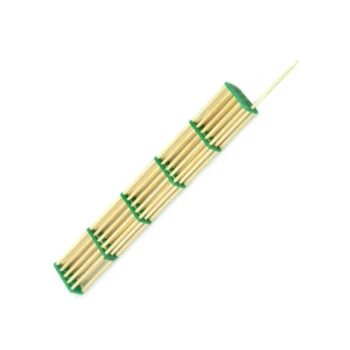
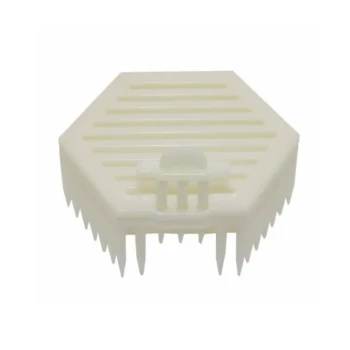
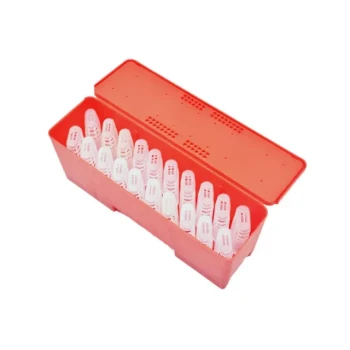
The queen cage, or Matoshnyk, serves as a critical stabilization tool by physically anchoring the queen bee to the center of a new hive to prevent the colony from absconding. By confining the queen for an initial period of three to seven days, the device forces worker bees to cluster around her, initiating nest construction and ensuring the colony adapts to its new environment. This temporary isolation leverages the biological dependency of the swarm on the queen's pheromones, significantly increasing the survival rate of newly hived colonies.
Core Takeaway: A queen cage is a strategic management tool used to enforce residency in a new hive; it uses the queen's pheromonal influence to stabilize the worker population and prevent the total loss of a captured swarm.
Anchoring the Colony Through Forced Residency
Preventing Immediate Absconding
Newly captured swarms are biologically prone to deserting a new hive if they do not immediately perceive it as a permanent home. By using a queen cage, beekeepers can "lock" the heart of the colony in place, ensuring that even if workers fly out, they must return to the queen.
Facilitating Pheromonal Distribution
The mesh or porous material of the cage, often made of wire or bamboo, allows for the free flow of the queen’s pheromones. This scent acts as a biological "glue" that keeps the worker bees focused on the hive’s interior rather than seeking a different nesting site.
Stimulating Nest Construction
When a queen is confined to the center of the hive, it forces the workers to begin building wax comb immediately around her. Once the colony has invested resources into building comb and storing nectar, they are far less likely to abandon the site.
Strategic Applications in Commercial Beekeeping
Efficiency in Swarm Relocation
During the capture process, securing the queen in a specialized cage simplifies the movement of the entire swarm. Because the workers are instinctively programmed to follow their queen, they will naturally congregate around the cage, allowing for efficient and complete relocation to a managed apiary.
Managing Non-Biological Queen Introductions
In commercial "package" bees, the queen is often not the biological mother of the workers. The queen cage provides a physical barrier that protects the queen from potential aggression while the workers gradually acclimate to her specific pheromone profile.
Synchronization for Disease Management
High-level apiary management uses queen cages to restrict egg-laying to specific frames for timed development. This synchronization is a professional technique used to monitor Varroa mite parasitism and standardize biological samples for colony health assessments.
Understanding the Trade-offs and Risks
The Risk of Physical Injury
While confinement is necessary for stabilization, leaving a queen in a cage for too long can lead to stress or physical injury. Professional distributors must emphasize that these tools are designed for temporary use, typically not exceeding one week.
Impact on Egg-Laying Cycles
Restricting the queen's movement naturally pauses her oviposition cycle, which can slightly delay the initial population growth of a new colony. Beekeepers must balance the need for stabilization with the goal of rapid colony expansion.
Maintenance of Social Feeding
If a cage is poorly designed or placed in an inaccessible area of the hive, workers may fail to feed the queen through the mesh. High-quality professional-grade cages ensure that the gaps are large enough for trophallaxis (food exchange) while keeping the queen secure.
Ensuring Success for Your Inventory and Clients
As a distributor or wholesaler, providing high-quality queen cages is essential for supporting the critical early-season needs of beekeepers. Stocking a diverse range of materials—from traditional bamboo to modern mesh—ensures you can meet the specific technical requirements of commercial operations and hobbyists alike.
- If your primary focus is rapid order fulfillment: Rely on our ultra-fast delivery systems to ensure your stock of queen cages arrives before the peak swarm season begins.
- If your primary focus is technical expertise: Utilize our deep industry knowledge to provide your clients with guidance on the optimal 3-to-5-day adaptation period for swarm stabilization.
- If your primary focus is product variety: Leverage our full-spectrum portfolio to offer both temporary transport cages and specialized isolation devices for disease monitoring.
Providing the right queen cage at the right time is the definitive safeguard against colony loss for beekeeping professionals worldwide.
Summary Table:
| Key Function | Biological Impact | Commercial Value |
|---|---|---|
| Queen Anchoring | Physically prevents the queen from leaving the hive. | Eliminates the risk of swarm absconding. |
| Pheromone Flow | Distributes queen scent to unify the worker bees. | Increases worker loyalty to the new nesting site. |
| Nest Stimulation | Encourages workers to build wax comb immediately. | Accelerates colony establishment and growth. |
| Controlled Intro | Protects the queen from worker aggression. | Simplifies queen replacement in commercial packages. |
| Timed Isolation | Regulates egg-laying cycles. | Essential for precise Varroa mite management. |
Scale Your Apiary Operations with HONESTBEE
Maximize your colony retention and operational efficiency with premium beekeeping solutions from HONESTBEE. As a premier one-stop partner for distributors, wholesalers, and commercial apiaries, we offer a comprehensive wholesale portfolio—ranging from precision queen cages and essential consumables to advanced hive-making and honey-filling machinery.
Why Partner with HONESTBEE?
- Rapid Fulfillment: Ultra-fast delivery and efficient order processing to meet peak seasonal demands.
- Expert Support: Benefit from our deep professional industry expertise and dedicated customer service.
- Full-Spectrum Sourcing: Access everything from specialized hardware to honey-themed cultural merchandise in one place.
Ready to enhance your inventory with high-performance beekeeping equipment? Contact our sales team today to discuss our volume pricing and OEM/ODM capabilities!
References
- Аlla Dmytrenko. Customs, folk knowledge and production experience related to bee swarming in the Sarny region (according to expedition materials from the Sarny district of the Rivne region).. DOI: 10.26565/2227-6505-2024-39-06
This article is also based on technical information from HonestBee Knowledge Base .
Related Products
- Durable Galvanized Steel Spring Queen Bee Cage
- Classic Wooden and Mesh California Queen Cage
- Professional Queen Bee Introduction and Transport Cage
- Professional Queen Cage with Sliding Gate and Feeder Plug
- Professional Multi-Compartment Queen Cage with Sliding Lid
People Also Ask
- Why are specialized queen bee cages used for the banking of mated queen bees? Maximize Commercial Apiary Storage Efficiency
- What is the mechanism of action for using temporary queen bee cages? Master Successful Queen Introduction
- What is the step-by-step process for installing a queen bee's cage onto a frame? Ensure Hive Acceptance Safely
- What is the optimal placement for a queen bee cage? Essential Strategies for Successful Re-queening
- What are the advantages and disadvantages of introducing a queen bee by embedding the cage? Boost Your Queen Acceptance