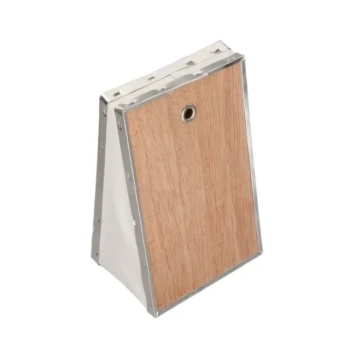
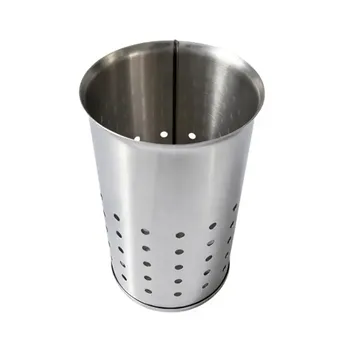
A smoker serves as a chemical communication disruptor, functioning as the primary safety interface between a beekeeper and the colony. By emitting smoke from the combustion of plant materials, it masks the alarm pheromones bees use to coordinate defense, preventing the colony from entering a collective aggressive state.
By effectively jamming the colony's chemical "alarm system," a smoker lowers the alertness of the hive and triggers a docile feeding response. This allows for safe, precise interventions—such as pest inspection or honey harvesting—without triggering a defensive swarm.
The Mechanism of Action
Disrupting Pheromone Signals
Honey bees rely heavily on chemical signals to communicate danger. When a bee perceives a threat, it releases alarm pheromones to alert the rest of the colony.
The smoke physically and chemically masks these airborne signals. This prevents the "attack" command from spreading through the hive, isolating defensive behavior to individual bees rather than the entire superorganism.
Triggering the Survival Response
Beyond masking signals, the presence of smoke simulates a nearby fire. This triggers a deep-seated evolutionary survival instinct in the bees.
Sensing potential fire, the bees instinctively begin gorging on honey in preparation to potentially abandon the hive. This consumption physically weighs them down and makes them significantly more docile and less prone to stinging.
Operational Use During Inspection
The Initial Approach
Before touching the hive, smoke is directed at the entrance to confuse the guard bees. This neutralizes the first line of defense before the colony is even aware of an intruder.
The "Smoke and Wait" Technique
Proper application requires patience. The outer cover is lifted slightly to introduce smoke, then closed gently for one to two minutes.
This waiting period is critical. It gives the smoke time to circulate and allows the bees time to begin the honey-gorging process, ensuring the colony is sedated before the hive is fully opened.
Clearing the Field of View
During the inspection, the smoker acts as a gentle herding tool. Beekeepers use puffs of smoke to drive bees away from specific areas, such as the tops of frames.
This clears the biological "clutter," allowing the technician to clearly inspect the depths of the hive for pests like small hive beetle larvae or wax moths without crushing bees during equipment manipulation.
masking Stings
If a sting occurs, the site of the sting releases a concentrated alarm pheromone that marks the beekeeper as a target.
Smoking the specific area of the sting masks this target marker. This prevents other bees from being drawn to the same spot and escalating the situation.
Common Pitfalls and Limitations
The Danger of Over-Smoking
More smoke is not always better. Excessive smoke can irritate the bees, causing them to become agitated rather than calm.
Temperature Control
The smoke must be cool; this is achieved through incomplete combustion. Hot smoke can singe the bees' wings or bodies, triggering an immediate and justified defensive attack.
The Threshold of Aggression
There is a limit to the smoker's effectiveness. If a colony has already escalated to a high-alert, enraged state, smoke may no longer work.
In these instances, the most prudent technical decision is to cease the inspection and close the hive, allowing the colony to settle naturally.
Making the Right Choice for Your Goal
Whether you are performing a quick check or a deep harvest, the smoker is your control mechanism.
- If your primary focus is Safety: Ensure you wait 1-2 minutes after the initial smoking to allow the honey-gorging instinct to take full effect.
- If your primary focus is Pest Detection: Use targeted puffs of smoke to drive bees off the comb face, exposing the frame surface for clear visual analysis.
Mastering the smoker is not about overpowering the bees, but about speaking their language to request a cease-fire.
Summary Table:
| Function | Mechanism of Action | Practical Benefit |
|---|---|---|
| Pheromone Masking | Neutralizes alarm signals (isopentyl acetate) | Prevents defensive swarming and collective aggression |
| Survival Response | Triggers honey gorging instinct | Bees become docile, heavy, and less likely to sting |
| Herding Tool | Gently drives bees away from specific areas | Clears frames for pest inspection and prevents crushing bees |
| Sting Neutralization | Covers pheromones left at a sting site | Prevents further attacks on the same target area |
Elevate Your Apiary Operations with HONESTBEE
At HONESTBEE, we understand that professional beekeeping requires precision tools that ensure both safety and efficiency. Whether you are managing a commercial apiary or supplying the industry as a distributor, our comprehensive wholesale catalog has you covered.
We provide everything from high-performance beekeeping smokers and protective gear to advanced honey-filling machines and hive-making equipment. Partner with us to access premium industry consumables and specialized machinery designed to scale your business.
Ready to upgrade your equipment? Contact us today to discuss our wholesale offerings and discover how HONESTBEE can support your growth in the beekeeping market.
References
- Juliusz Galiński. Beekeepers' beecomings and the agency of a bee. DOI: 10.23858/ep66.2022.3061
This article is also based on technical information from HonestBee Knowledge Base .
Related Products
- Stainless Steel Honey Bee Smoker Hive and Honeycomb Smoker for Beekeeping
- Miniature Stainless Steel Bee Smoker for Beekeeping
- Professional Bee Smoker with Elongated Spout and Durable Bellows for Beekeeping
- Electric Bee Smoker European Style Bee Hive Smoker for Beekeeping
- Galvanized Beekeeping Smoker for Honey Bee and Apiculture
People Also Ask
- What are bee smokers made out of? Choose the Right Material for Your Apiary
- Why is a stainless steel bee smoker considered indispensable? Master Hive Management with Cool Smoke Technology
- What type of bee smoker is recommended for a beginner? Top Picks for Easy Hive Management
- How should a beekeeper use a smoker when approaching a hive? A Guide to Calm, Safe Inspections
- How do bee smokers and colored light sources work together to assist in night-time honey harvesting? Expert Strategies