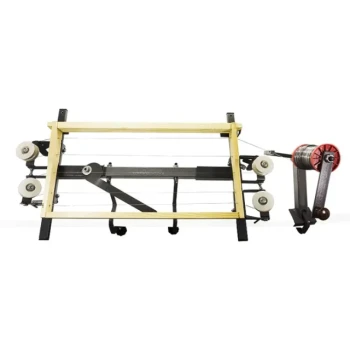
An industrial-grade beehive weighing system serves as a critical diagnostic tool for quantifying the unintended consequences of agricultural machinery on bee colonies. By monitoring real-time mass fluctuations, these systems detect abnormal weight drops that verify the loss of foraging bees during events like mowing, providing objective data on colony health without invasive inspections.
Core Takeaway While standard inspections rely on visual estimates, industrial weighing systems offer precise, continuous data. They translate subtle changes in hive mass into actionable evidence of bee casualties caused by mechanized field operations, allowing for an accurate assessment of long-term colony viability.
The Mechanism of Detection
Tracking Daily Mass Fluctuations
Industrial systems use high-precision pressure sensors to continuously record the hive's total mass. This weight naturally fluctuates throughout the day, reflecting the colony's nectar intake and the movement of the foraging population. Establishing this baseline rhythm is essential for distinguishing between normal biological activity and external disruptions.
Identifying Impact from Field Operations
When agricultural machinery, such as mowers, operates in the vicinity, the system acts as a "black box" recorder for the colony. If the operation causes significant bee casualties, the data will reveal an abnormal, sharp decrease in hive mass. This drop provides indirect but reliable evidence that the foraging workforce has been depleted by the machinery.
Benefits of Non-Invasive Monitoring
Reducing Colony Stress
Traditional damage assessment often requires physically opening the hive, which disrupts the internal climate and stresses the remaining bees. A weighing platform allows for the evaluation of colony status without dismantling the hive. This preserves the natural behavior of the colony while still gathering critical health data.
Real-Time Health Insights
Beyond immediate casualties, these systems track long-term trends such as food consumption rates and honey production growth. This allows researchers and farmers to monitor the colony's recovery trajectory following an agricultural event. It provides a clear picture of whether the colony is bouncing back or suffering from long-term decline.
Understanding the Trade-offs
Indirect vs. Direct Evidence
It is important to note that weight loss is indirect evidence of agricultural impact. While a mass drop during mowing is highly correlated with bee death, the system does not count individual bee bodies. Interpretations must rule out other factors, such as sudden swarming or robbing by other hives.
Data Complexity
To be effective, the data requires context. A raw weight number is useless without a comparison to the colony's historical baseline. Users must be skilled in analyzing data trends to distinguish between a natural fluctuation in foraging resources and a machinery-induced population crash.
Making the Right Choice for Your Goal
Effectively utilizing weighing systems requires matching the data output to your specific management objectives.
- If your primary focus is assessing agricultural impact: Look for sudden, abnormal deviations in daily mass immediately following field operations to quantify the loss of foragers.
- If your primary focus is colony management: Use the data to monitor long-term food consumption and honey growth to determine the optimal, non-invasive time for collection.
By converting physical mass into digital insight, these systems bridge the gap between heavy agricultural machinery and delicate ecosystem preservation.
Summary Table:
| Feature | Function in Impact Assessment | Key Benefit |
|---|---|---|
| High-Precision Sensors | Monitors mass fluctuations and foraging workforce volume. | Detects abnormal drops during field operations. |
| Continuous Logging | Establishes a baseline rhythm of hive activity. | Identifies sudden population crashes in real-time. |
| Non-Invasive Monitoring | Evaluates colony status without opening the hive. | Reduces stress and maintains internal hive climate. |
| Trend Analysis | Tracks long-term consumption and honey production. | Assesses colony recovery and long-term viability. |
Scale Your Apiary Operations with HONESTBEE Precision
Are you a commercial apiary or a distributor looking to modernize colony management? HONESTBEE provides the robust tools needed to protect and optimize your bees against the challenges of modern agriculture.
From industrial-grade hive weighing systems and honey-filling machines to a full spectrum of wholesale beekeeping hardware and consumables, we empower you to turn hive data into high-yield results.
Partner with us to secure your supply chain and enhance colony survival.
Contact HONESTBEE Today to Explore Our Wholesale Catalog
References
- Peter Fluri, Rainer Frick. Honey bee losses during mowing of flowering fields. DOI: 10.1080/0005772x.2002.11099550
This article is also based on technical information from HonestBee Knowledge Base .
Related Products
- High-Efficiency Pneumatic Bee Hive Making Machine for Rapid Box Assembly
- Professional Grade Foldable Beehive Handles
- Ergonomic Two Person Foldable Hive Lifter
- Modern Flat-Mount Hive Number Set for Beekeeping
- Wooden Bee Hive Frames for Beekeeping and Wholesale
People Also Ask
- How does the introduction of professional beehive-making machinery benefit sustainable beekeeping? Scale Your Apiary
- Why is specialized beehive-making machinery critical for low-defense breeding? Enhance Selection with Precision Tools
- How does the introduction of specialized beehive making machinery contribute to increasing the scale of regional beekeeping industries?
- What is the importance of specialized beehive making machinery in a circular bio-economy? Build Local Sustainability
- Why is specialized beehive-making machinery essential? Scale Your Apiary with Precision Industrial Standards