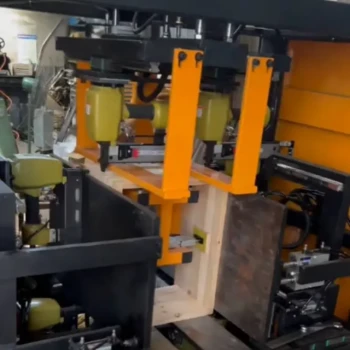
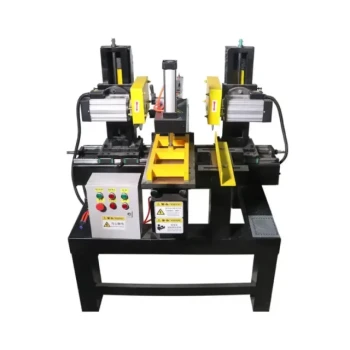
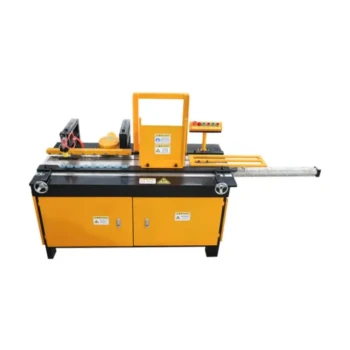
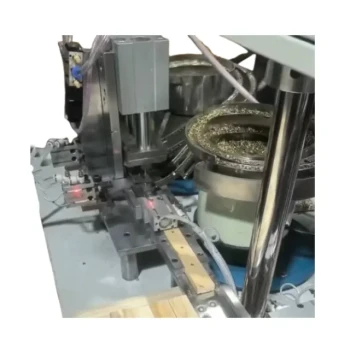
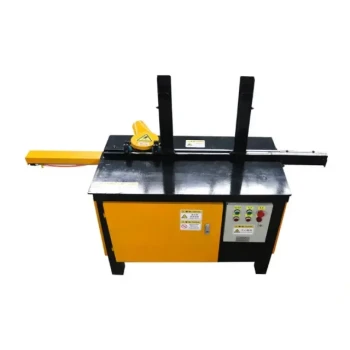
Automated beehive manufacturing equipment serves as the material foundation for transitioning regional beekeeping from traditional methods to high-density industrial models. By enabling the mass production of consistent, weather-resistant wooden or composite hives, this technology significantly reduces the capital costs associated with apiary expansion. Furthermore, it creates the standardized physical environments necessary to optimize biological productivity and support the management of larger colony populations.
The core function of this technology is to bridge the gap between artisanal beekeeping and commercial scalability. It transforms hive production into a precision engineering process, ensuring the hardware consistency and environmental stability required for rapid regional adoption.
The Foundation of Industrial Scalability
Standardization and Interchangeability
Industrial-grade machinery allows for the high-precision manufacturing of hive components. This ensures that every part produced is interchangeable, eliminating the inconsistencies found in hand-crafted equipment.
For commercial apiaries, this uniformity is critical. It simplifies logistics and maintenance, allowing beekeepers to manage vast numbers of colonies with a standardized inventory of spare parts.
Reducing the Barrier to Expansion
Automated production directly lowers the unit cost of manufacturing through mechanization. This makes the initial hardware investment significantly more affordable for farmers transitioning to modern techniques.
By enabling local production of equipment, regions can reduce their reliance on expensive imported hives. This cost efficiency is the economic engine that drives the rapid adoption of organized honey production bases.
Weather Resistance and Durability
Mass-produced hives created with automated equipment are designed for high consistency and weather resistance. This ensures that the physical structure of the hive remains stable despite external climate fluctuations.
A durable, standardized housing is essential for protecting the colony. It ensures that the hive functions as a reliable long-term asset rather than a temporary shelter requiring frequent repair.
Impact on Biological Productivity
Optimizing Internal Conditions
The design and material quality of a hive modulate the internal physical environment, which directly impacts biological productivity. Automated equipment ensures these structural designs are replicated perfectly across thousands of units.
Boosting Colony Density
Superior manufacturing leads to optimized hive structures with better insulation. These stable conditions stimulate higher egg-laying rates in queens and increase the success rate of capped worker broods.
This chain reaction leads to a surge in future foragers. Consequently, advanced hive engineering results in a higher density of adult bees and enhanced commercial output per hive.
Understanding the Trade-offs
Uniformity vs. Customization
While automation excels at consistency, it limits flexibility. The process relies on strict adherence to standardized specifications, making it difficult to produce bespoke or non-standard hive configurations without retooling.
Initial Capital Intensity
Transitioning to automated manufacturing requires a shift in infrastructure. While it lowers the per-unit cost of hives, it necessitates an upfront investment in industrial machinery, moving the cost burden from operational expenses (labor) to capital expenses (equipment).
Making the Right Choice for Your Goal
- If your primary focus is rapid regional expansion: Leverage automated equipment to minimize unit costs and ensure the interchangeability of parts across all apiaries.
- If your primary focus is biological yield: Prioritize equipment capabilities that produce high-insulation, weather-resistant structures to maximize queen productivity and brood survival.
Automation is not just about manufacturing speed; it is the structural enabler of high-density, commercial beekeeping.
Summary Table:
| Feature | Impact on Regional Beekeeping | Core Benefit |
|---|---|---|
| Standardization | High-precision, interchangeable components | Simplifies logistics and maintenance |
| Cost Efficiency | Lower per-unit manufacturing costs | Reduces financial barriers to expansion |
| Durability | Weather-resistant, consistent structures | Protects colony health and reduces repairs |
| Biological Yield | Optimized internal hive environments | Increases queen laying and brood survival |
Scale Your Apiary Operations with HONESTBEE
Transitioning from artisanal methods to high-density industrial beekeeping requires more than just passion—it requires precision engineering. HONESTBEE specializes in empowering commercial apiaries and distributors with the high-performance tools needed to dominate the market.
From automated hive-making machinery and precision honey-filling lines to a comprehensive range of beekeeping tools and consumables, we provide the hardware foundation for your growth. Whether you are looking to manufacture equipment locally or supply a regional network, our wholesale solutions are designed to maximize your efficiency and biological yield.
Ready to elevate your production capacity? Contact our experts today to explore how our machinery and equipment can transform your beekeeping business.
References
- Carlos M. Herrera. Gradual replacement of wild bees by honeybees in flowers of the Mediterranean Basin over the last 50 years. DOI: 10.1098/rspb.2019.2657
This article is also based on technical information from HonestBee Knowledge Base .
Related Products
- Automatic High-Speed Bee Hive Box Stapling Machine
- High-Efficiency Pneumatic Bee Hive Making Machine for Rapid Box Assembly
- Mini Desktop Bee Hive Frame Forming Making Machine
- HONESTBEE Top Bar & Bottom Bar Forming Machine | Bee Frame Machine
- Beehive Machine Double End Saw for Precision Hive Component Manufacturing
People Also Ask
- How is the Bee Box machine adjusted for different box sizes? Maximize Your Woodworking Versatility and Precision
- How is the Bee Box machine operated? Optimize Your Commercial Hive Production with Scalable Staffing Solutions
- How was the Bee Box machine designed? Industrial Engineering for High-Volume Beekeeping Production
- What is the production capacity of the Bee Box machine? Boost Output up to 1,000 Boxes Daily
- What are the power requirements and control system for the Bee Box machine? Optimize Your Apiary Equipment Production