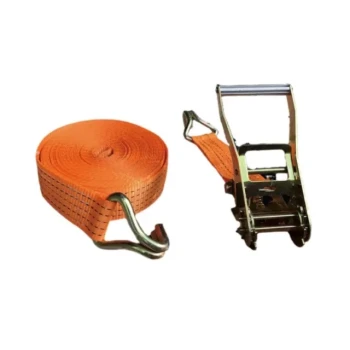
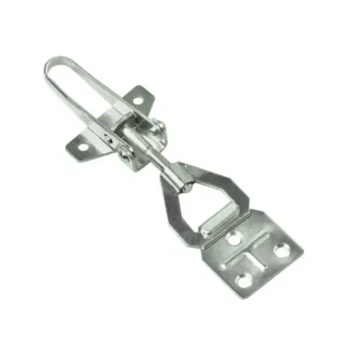
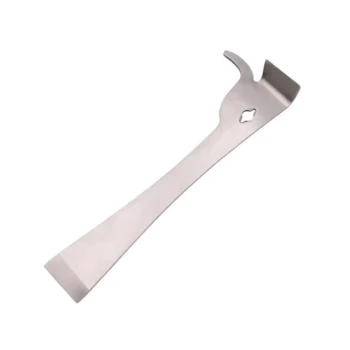
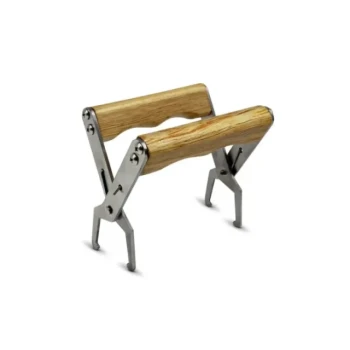
Beehive transport equipment is the foundational technology that enables migratory beekeeping, the backbone of high-yield commercial operations. By utilizing specialized brackets and motorized vehicles, beekeepers can rapidly move colonies to follow peak flowering seasons across diverse geographical regions. This mobility ensures a continuous supply of nectar, significantly increasing annual honey yields and maximizing the efficiency of pollination services.
Core Takeaway: Transport equipment transforms beekeeping from a static, localized activity into a scalable industrial process by extending honey collection cycles and minimizing colony loss. For distributors, providing these specialized tools is essential for supporting clients who aim for multi-season production and economies of scale.
Maximizing Yield Through Strategic Mobility
Extending the Honey Collection Cycle
Traditional beekeeping is limited by the short blooming period of local flora. Transport equipment allows beekeepers to follow "honey flows" across hundreds of kilometers, effectively bypassing the natural resource depletion of a single location.
By moving hives at night when bees are dormant, operations can transition from one nectar source, such as rapeseed, to another forest or horticultural area seamlessly. This multi-season production model significantly boosts the total annual output per colony.
Dynamic Resource Allocation
Commercial efficiency relies on the ability to deploy assets where they are most productive. Specialized transport vehicles enable the rapid reallocation of colonies to areas where flowers are in peak bloom.
This dynamic approach mitigates the risk of production gaps caused by local weather fluctuations or environmental changes. It ensures that the biological potential of the bee colony is always matched with abundant forage.
Enhancing Colony Survival and Performance
Reducing Transport-Induced Stress
Bees are highly sensitive to temperature spikes and mechanical vibrations during movement. Modern motorized freight equipment provides a stable environment that traditional transport methods cannot match.
Advanced transport systems often include integrated ventilation and non-slip loading racks to keep colonies cool and secure. Reducing stress during transit ensures that bees do not suffer from high mortality rates during long-distance migration.
Immediate Post-Transit Productivity
The efficiency of a commercial operation depends on how quickly bees resume work after being moved. Stabilized transport equipment minimizes the "recovery time" a colony needs upon arrival at a new site.
When colonies arrive healthy and unstressed, they can immediately begin collection and pollination activities. This minimizes downtime and ensures that the peak of a bloom is never missed due to colony exhaustion.
Scaling Operations Through Standardization
Supporting Large-Scale Management
Standardized transport equipment is a prerequisite for moving from a few dozen hives to several thousand. Mechanical loading systems and uniform bracket designs allow a small team to manage the logistics of a massive apiary.
This scalability is further supported by precision-engineered, CNC-cut beehive components that ensure interchangeability. When every hive fits perfectly onto transport racks, the speed of loading and unloading increases exponentially.
Lowering Unit Production Costs
While the initial investment in transport machinery is higher, the reduction in labor and honey bee mortality lowers the long-term cost per kilogram of honey.
By utilizing industrial-grade transport solutions, commercial apiaries achieve economies of scale. This allows them to maintain stable production levels and competitive pricing in the global market.
Understanding the Trade-offs
Capital Investment vs. Operational Reach
High-quality transport equipment requires significant upfront capital, which may be a barrier for smaller operations. However, the cost of "static" beekeeping is often higher in the long run due to lower yields and increased risk of local resource failure.
Maintenance and Mechanical Reliability
Mobile operations depend entirely on the reliability of their fleet. Failure in transport equipment during a migration window can lead to significant colony loss if bees are trapped in transit without proper ventilation or temperature control.
How to Maximize Value for Your Distribution Portfolio
As a distributor or wholesaler, your goal is to provide a comprehensive solution that addresses both the logistical and biological needs of commercial beekeepers.
- If your primary focus is increasing client yield: Stock a full spectrum of motorized transport racks and specialized brackets that facilitate rapid migratory movements.
- If your primary focus is colony health and risk management: Emphasize transport solutions featuring advanced ventilation and vibration-reduction technology to minimize transit mortality.
- If your primary focus is operational scalability: Offer standardized, CNC-manufactured hive components that integrate seamlessly with automated loading and transport systems.
Providing expert-grade transport equipment empowers commercial beekeepers to overcome geographical limitations and achieve a new standard of production efficiency.
Summary Table:
| Key Feature | Benefit for Commercial Apiaries | Impact on Production Efficiency |
|---|---|---|
| Migratory Mobility | Follows peak flowering seasons across regions | Maximizes honey yield and pollination cycles |
| Climate-Controlled Transit | Reduces heat stress and transit mortality | Ensures immediate productivity upon arrival |
| Standardized Brackets | Enables mechanical and rapid loading | Allows for large-scale, industrial management |
| Standardized Components | CNC-cut interchangeability | Minimizes downtime and lowers labor costs |
Scale Your Distribution Success with HONESTBEE
Partner with HONESTBEE to provide your clients with the industrial-grade solutions they need to dominate the commercial beekeeping market. We offer a comprehensive wholesale portfolio, ranging from specialized hive-making and honey-filling machinery to high-performance transport equipment and essential industry consumables.
Why Choose HONESTBEE?
- One-Stop Sourcing: Full-spectrum product range for commercial apiaries and B2B resellers.
- Reliability & Speed: Ultra-fast delivery and efficient fulfillment to keep your supply chain moving.
- Professional Expertise: Deep industry knowledge with dedicated customer service.
- Distributor Advantages: Competitive profit margins and robust OEM/ODM support.
Ready to enhance your product offering with premium beekeeping technology? Contact HONESTBEE today to discuss our wholesale opportunities and how we can support your growth.
References
- Manjunatha Goud, A. Meena. EVALUATION OF ENTREPRENEURSHIP DEVELOPMENT PROGRAM (EDP) ON BEEHIVE CULTIVATION CONDUCTED BY NATIONAL INSTITUTE FOR MICRO SMALL MEDIUM ENTERPRISES (NI-MSME) IN TELANGANA, INDIA. DOI: 10.51470/plantarchives.2024.v24.no.2.150
This article is also based on technical information from HonestBee Knowledge Base .
Related Products
- Plastic Transporting Bee Packages and Nuc Boxes for Beekeeping
- Durable Plastic Interlocking Hive Connector for Beekeeping
- Heavy Duty Ratchet Hive Strap
- Heavy Duty Adjustable Hive Connector
- High-Efficiency Pneumatic Bee Hive Making Machine for Rapid Box Assembly
People Also Ask
- What role do bee package boxes play in the commercial transport and expansion of honeybee colonies? - Logistic Essentials
- What are beekeeping boxes called? A Guide to Hive Bodies and Box Types
- How do standardized bee packages serve as a recovery mechanism for commercial beekeeping? Ensure Business Continuity
- What is the commercial value of using standardized bee packages? Drive Scalability in Large-Scale Apiaries
- Why is the timely introduction of high-quality bee packages critical? Save Your Apiary from Asian Hornet Invasions