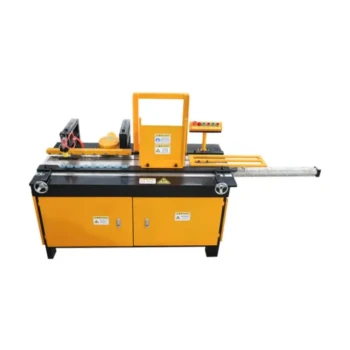
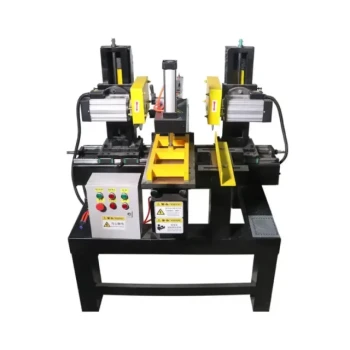
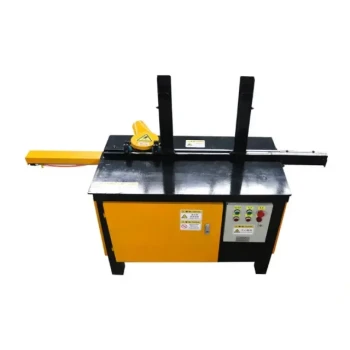
Hive-making machinery acts as the infrastructural backbone for sustainable commercial beekeeping. It enables the high-volume production of standardized components, allowing apiaries to manage rapid colony expansion and infrastructure renewal without relying on expensive pre-made hardware. By internalizing production or utilizing industrial-grade equipment, commercial operations gain critical flexibility, reduce long-term maintenance costs, and ensure the precise consistency required for modern apiculture.
By replacing manual crafting with precision manufacturing, these machines transform hive components from variable inputs into standardized industrial assets, creating the stability necessary for automation, migration, and scale.
The Economic Foundation of Scalability
Reducing External Dependency
Reliance on pre-made hives creates a bottleneck for expanding apiaries. Hive-making machinery removes this constraint, allowing operators to produce infrastructure on demand. This autonomy significantly lowers the cost per unit compared to purchasing finished goods.
Cost-Effective Maintenance
In a commercial setting, wear and tear is inevitable. Machinery allows for the rapid production of replacement parts that are guaranteed to fit. This eliminates the need to retire entire hives due to minor damage, extending the lifecycle of the apiary's assets.
Enabling Rapid Expansion
When a commercial operation needs to split colonies or capture swarms, hardware availability is often the limiting factor. On-site or industrial manufacturing ensures that the physical infrastructure can scale instantly to match biological growth.
Operational Efficiency through Standardization
Absolute Interchangeability
For an apiary managing thousands of colonies, every box, frame, and lid must be interchangeable. Specialized machinery utilizes automated processes to ensure precise, uniform dimensions. This allows beekeepers to swap components between hives without friction or custom fitting.
Facilitating Automation
Modern beekeeping relies increasingly on downstream automation, such as mechanical honey extractors and uncapping machines. These machines require hives and frames to have exact specifications. Precision hive-making machinery ensures compatibility with these automated processing lines, streamlining the harvest.
Supporting Migratory Practices
Many commercial apiaries migrate to follow seasonal blooms. Standardized, machine-cut hives stack securely and withstand the rigors of transport. This structural consistency is essential for the logistics of moving massive numbers of colonies safely.
Biological Stability and Precision
Optimizing "Bee Space"
The concept of "bee space" is critical for colony health. If gaps are too wide, bees build burr comb; if too narrow, they seal them with propolis. High-precision machinery guarantees accurate tolerances, maintaining the correct internal spacing necessary for natural behavior.
Enhancing Thermoregulation
Machine-cut joints and components fit together tightly, reducing unwanted drafts. This structural precision aids the colony in maintaining proper ventilation and thermoregulation. A stable internal environment reduces the energy stress on the bees, directly supporting colony productivity.
Understanding the Trade-offs
Capital Investment vs. Volume
Industrial-grade hive-making machinery represents a significant upfront capital expense. This investment is generally only justifiable for operations that require a high volume of new hives annually or are manufacturing for resale. Small-scale operations may not realize a return on investment compared to buying pre-made equipment.
Raw Material Requirements
Automated machinery demands consistency in raw materials to function correctly. Operators must source high-quality, uniform lumber. Using low-grade or warped timber can lead to machine jams, material waste, or defective components that compromise the hive's integrity.
Making the Right Choice for Your Operation
Deciding to invest in or utilize hive-making machinery depends on your specific operational bottlenecks.
- If your primary focus is Rapid Expansion: Prioritize machinery that maximizes output speed to ensure hardware never limits your ability to split colonies.
- If your primary focus is Automation Integration: Ensure the machinery is calibrated for high-tolerance precision to guarantee your frames fit seamlessly into uncapping and extraction lines.
- If your primary focus is Cost Reduction: Analyze your annual replacement rate; if low, outsourcing to a manufacturer with this machinery is likely more sustainable than buying the machines yourself.
Ultimately, the correct application of hive-making technology shifts your focus from repairing equipment to managing healthy, productive colonies.
Summary Table:
| Key Benefit | Impact on Commercial Apiaries | Value for Sustainability |
|---|---|---|
| Scalability | Internalizes production and reduces external dependency | Enables rapid colony expansion without hardware bottlenecks |
| Standardization | Guarantees absolute interchangeability of components | Facilitates downstream automation and efficient logistics |
| Cost Control | Reduces unit costs and maintenance expenses | Extends the lifecycle of apiary assets through precise repairs |
| Precision | Maintains exact "bee space" and joint tolerances | Improves colony thermoregulation and biological stability |
Empower Your Apiary with Industrial Precision
Transition from manual limitations to industrial-scale efficiency with HONESTBEE. As a dedicated partner to commercial apiaries and distributors, we provide the full spectrum of beekeeping tools, machinery, and equipment designed to stabilize and scale your operations.
From precision hive-making machines that ensure perfect standardization to high-capacity honey-filling lines, our comprehensive wholesale offering is built to reduce your overhead and maximize productivity. Whether you are expanding your colony count or outfitting a distribution network, we supply the hardware and consumables necessary for a sustainable future in apiculture.
Ready to scale your operation? Contact HONESTBEE today to discuss our volume solutions and industrial equipment range.
References
- Genevieve M. Nouyrigat, Elena Barbu. Managing Apis Mellifera Bees’ Mortality to Protect the Environmental Sustainability: Perceptions, Practices and Solutions of Beekeepers. DOI: 10.18280/ijsdp.180201
This article is also based on technical information from HonestBee Knowledge Base .
Related Products
- High-Efficiency Pneumatic Bee Hive Making Machine for Rapid Box Assembly
- Beehive Handle and Frame Rest Cutting Machine: Your Specialized Hive Machine
- Mini Desktop Bee Hive Frame Forming Making Machine
- Automatic High-Speed Bee Hive Box Stapling Machine
- Beehive Machine Double End Saw for Precision Hive Component Manufacturing
People Also Ask
- How does the introduction of professional beehive-making machinery benefit sustainable beekeeping? Scale Your Apiary
- Why is specialized beehive-making machinery critical for low-defense breeding? Enhance Selection with Precision Tools
- How does the introduction of specialized beehive making machinery contribute to increasing the scale of regional beekeeping industries?
- What is the importance of specialized beehive making machinery in a circular bio-economy? Build Local Sustainability
- Why is specialized beehive-making machinery essential? Scale Your Apiary with Precision Industrial Standards