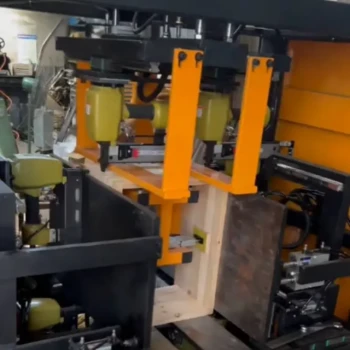
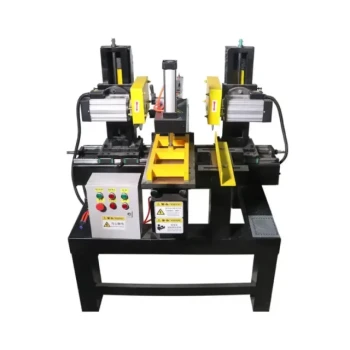
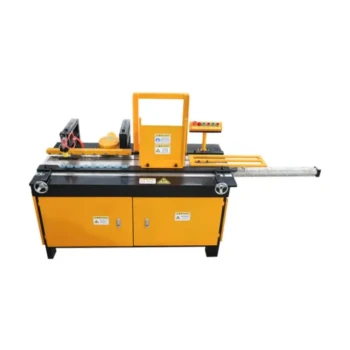
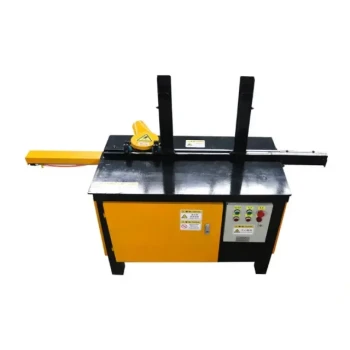
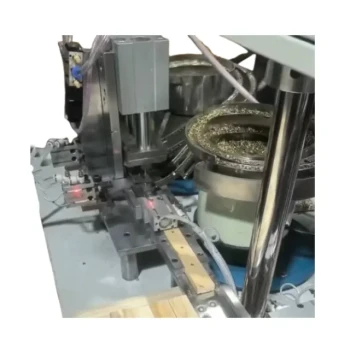
Industrial beehive manufacturing machinery acts as the physical backbone for large-scale apiculture. It facilitates the transition from artisanal to commercial operations by enabling high-efficiency production and ensuring the standardized output necessary for rapid colony expansion. This machinery provides the consistency required to lower unit maintenance costs and establish a reliable foundation for managing massive apiary networks.
The Core Insight While speed of production is an obvious benefit, the true value of this machinery lies in establishing structural interchangeability. By guaranteeing that every component fits every hive, these machines eliminate the operational friction that typically bottlenecks commercial growth, allowing for modular management and remote migration.
Scaling Operations Through Precision Manufacturing
Rapid Capacity Expansion
To accommodate harvest peaks and improved yields, commercial apiaries must be able to multiply hive counts quickly. Industrial machinery allows for the high-volume production of hive structures, ensuring that hardware availability never throttles biological colony growth.
Reducing Initial Barriers
High-efficiency manufacturing significantly lowers the initial construction costs of an apiary. By automating the creation of hives and frame bars, operators can achieve industrialized development with a lower capital expenditure per unit compared to manual fabrication.
Facilitating Migratory Practices
Commercial beekeeping often requires moving vast numbers of colonies to follow seasonal blooms. The structural consistency provided by industrial machinery supports modular management, making the logistics of remote migration and transport safer and more efficient.
Standardization: The Key to Operational Efficiency
Total Component Interchangeability
In a large apiary, the inability to swap a frame or super between hives creates logistical chaos. Industrial machinery ensures that all components are perfectly interchangeable, which drastically reduces management complexity and labor time per unit.
Integration with Automation
Standardization extends beyond the hive itself; it enables the use of downstream technologies. Precisely dimensioned equipment facilitates the integration of automated honey extraction machinery, further reducing operational costs and reliance on manual labor.
Simplifying Routine Maintenance
When hive components are standardized, repair and maintenance become predictable processes rather than custom carpentry tasks. This reduction in maintenance complexity is a primary driver in lowering the long-term operational costs of commercial enterprises.
Biological Impact and Risk Mitigation
Optimizing "Bee Space"
Machinery ensures the high-precision manufacturing of hive frames and internal dimensions. This accuracy is vital for maintaining the correct "bee space," which is critical for natural colony thermoregulation, proper ventilation, and the biological needs of the bees.
Enhancing Colony Survival
Standardized, high-specification materials provide a stable ecological environment. Unlike non-standardized hives which may suffer from poor thermal insulation, machine-manufactured hives help secure winter survival and accelerate spring population growth.
Reducing Mortality Rates
Mismatched equipment can lead to gaps or structural failures that harm the colony. By implementing standardized tools produced by industrial machinery, apiaries can normalize operation procedures and significantly reduce honey bee mortality rates caused by equipment failure.
Understanding the Trade-offs
The Risk of Improper Calibration
While standardization is the goal, the reliance on machinery introduces a single point of failure regarding dimensioning. If the manufacturing machinery is not calibrated to high-specification standards, the resulting "standardized" error will be replicated across thousands of units, potentially rendering the equipment incompatible with automated extraction tools.
Initial Capital vs. Long-Term Gain
Investing in industrial-grade machinery represents a significant upfront cost compared to sourcing cheaper, non-standardized equipment. However, this cost must be weighed against the high operational risks, increased labor, and potential colony losses associated with manual or inconsistent hive production.
Making the Right Choice for Your Goal
To maximize the potential of your commercial apiary, align your equipment strategy with your specific operational targets:
- If your primary focus is rapid expansion: Prioritize machinery that offers high-throughput volume to match the biological growth rate of your colonies during peak seasons.
- If your primary focus is operational efficiency: Select machinery that guarantees high-precision dimensional tolerances to ensure seamless integration with automated honey extraction lines.
- If your primary focus is colony health: Ensure the machinery is calibrated to produce high-specification thermal and ventilation structures to minimize winter mortality rates.
True commercial scalability is not achieved by simply keeping more bees, but by implementing the standardized hardware infrastructure that makes managing them possible.
Summary Table:
| Key Role | Primary Benefit | Operational Impact |
|---|---|---|
| Rapid Capacity Expansion | High-volume production | Prevents hardware shortages during colony growth peaks |
| Structural Interchangeability | Modular component design | Reduces maintenance time and simplifies logistics |
| Precision Engineering | Optimized 'Bee Space' | Enhances colony survival and biological thermoregulation |
| Automation Readiness | Dimensional consistency | Enables integration with automated honey extraction lines |
| Cost Reduction | Lower per-unit expenditure | Decreases long-term maintenance and labor costs |
Scale Your Apiculture Business with HONESTBEE
Transitioning from artisanal methods to a professional-grade operation requires the right infrastructure. HONESTBEE specializes in empowering commercial apiaries and distributors with the high-precision machinery needed to standardize and expand.
Our comprehensive wholesale portfolio includes:
- Advanced Machinery: Hive-making and honey-filling machines for industrial-scale efficiency.
- Beekeeping Equipment: A full spectrum of professional tools and specialized hardware.
- Industry Consumables: Essential supplies to keep your apiary networks running smoothly.
- Cultural Merchandise: Unique honey-themed products to diversify your brand.
Whether you are looking to lower unit maintenance costs or integrate automated extraction technologies, HONESTBEE provides the expertise and equipment to ensure your success. Contact us today to discuss your wholesale needs and see how we can help you build a more resilient and profitable apiary.
References
- Georgi Aleksiev. Impact of european ecopolicy in the development of bulgarian apiculture. DOI: 10.22620/sciworks.2024.01.006
This article is also based on technical information from HonestBee Knowledge Base .
Related Products
- High-Efficiency Pneumatic Bee Hive Making Machine for Rapid Box Assembly
- HONESTBEE Top Bar & Bottom Bar Forming Machine | Bee Frame Machine
- Automatic High-Speed Bee Hive Box Stapling Machine
- Beehive Machine Double End Saw for Precision Hive Component Manufacturing
- Mini Desktop Bee Hive Frame Forming Making Machine
People Also Ask
- How does the introduction of professional beehive-making machinery benefit sustainable beekeeping? Scale Your Apiary
- Why is specialized beehive-making machinery critical for low-defense breeding? Enhance Selection with Precision Tools
- How does the introduction of specialized beehive making machinery contribute to increasing the scale of regional beekeeping industries?
- What is the importance of specialized beehive making machinery in a circular bio-economy? Build Local Sustainability
- Why is specialized beehive-making machinery essential? Scale Your Apiary with Precision Industrial Standards