Honey-themed cultural merchandise acts as a strategic bridge between ecological conservation and commercial viability in the stingless beekeeping industry. By transforming the abstract ecological value of bees into tangible assets—such as crafts, skincare products, and educational models—these goods generate essential revenue while simultaneously raising public awareness regarding biodiversity and conservation.
The Core Insight Merchandise is not merely an accessory to honey production; it is a catalyst for sustainability. It extends the value chain beyond agriculture, creating a community-based economic model that funds conservation efforts and attracts a younger, more diverse workforce to the industry.
Transforming Ecological Value into Economic Stability
Extending the Value Chain
Traditional beekeeping relies heavily on the production of raw honey, which is subject to seasonal and environmental fluctuations. Cultural merchandise transforms this basic agricultural output into value-added goods.
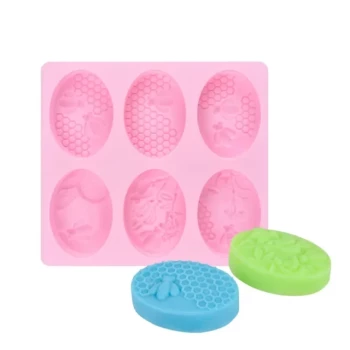
By developing products like honey soaps, beeswax balms, and decorative crafts, producers create stable, high-margin inventory. This reduces reliance on a single harvest and insulates the business from agricultural risks.
Diversifying Revenue Streams
Merchandise serves as a diversified market strategy. It opens new consumption scenarios that go beyond the kitchen table, entering the realms of gifts, souvenirs, and wellness.
This diversification allows beekeeping enterprises to tap into different budgets and consumer needs, effectively smoothing out cash flow throughout the year.
Transitioning to the Service Sector
The creation of cultural merchandise supports the industry’s transition from traditional agriculture to a service and tourism-oriented model.
When integrated with apitourism (bee tourism), these products become high-value retail goods. They attract high-end consumers interested in wellness and ecology, allowing apiaries to capture "experience economy" revenue rather than just commodity prices.
Strengthening Brand and Social Impact
Building a Visual Brand Identity
Stingless bees are often small and inconspicuous; merchandise gives them a visible physical presence.
Creative products serve as "cultural carriers," establishing a unique visual identity for regional brands. This reinforces the consumer's emotional connection to the beekeeping heritage and distinguishes specific apiaries in a crowded market.
Attracting a Younger Workforce
The development of modern, creative merchandise enhances the social prestige of the industry.
By moving away from the image of purely labor-intensive farming toward creative branding and product development, the industry becomes more attractive to young professionals. This influx of fresh talent is vital for the long-term continuity of the trade.
The Educational and Ecological Loop
Merchandise as an Educational Medium
A physical product serves as a lasting educational tool. Unlike a brochure that is thrown away, a bee model or a branded craft remains with the consumer.
This creates a persistent reminder of the consumer's understanding of bee ecology. It keeps the conversation about conservation alive long after the initial visit or purchase.
Supporting Regional Biodiversity
The revenue generated from these cultural assets fosters a community-based economic model.
When local communities see economic value in the "brand" of the stingless bee, they are more motivated to protect the regional biodiversity that sustains the bees. This creates a feedback loop where commercial success directly funds and incentivizes environmental maintenance.
Understanding the Trade-offs
While beneficial, shifting focus to merchandise carries risks that must be managed.
The Distraction Risk
There is a danger that the production of "cultural goods" can overshadow the core mission of beekeeping. If an apiary focuses too heavily on manufacturing trinkets, the actual health and management of the bee colonies may suffer.
Commodification vs. Authenticity
Mass-produced, generic merchandise can dilute the brand. To be effective, products must maintain a genuine connection to the specific region and bee species. Generic items fail to educate the consumer or justify premium pricing.
Making the Right Choice for Your Goal
To leverage cultural merchandise effectively, align your product strategy with your specific developmental goals:
- If your primary focus is Profitability: Prioritize high-margin consumables like honey-based skincare (soaps and balms) that encourage repeat purchases.
- If your primary focus is Conservation Education: Invest in educational merchandise, such as biological models or kits that explain the stingless bee's lifecycle.
- If your primary focus is Brand Longevity: Develop distinctive visual crafts that embody the local heritage, serving as lasting "cultural carriers" for your region.
By treating merchandise as a strategic asset rather than a sideline novelty, you anchor the ecological survival of the stingless bee in the solid ground of economic reality.
Summary Table:
| Strategic Role | Key Benefits | Target Outcome |
|---|---|---|
| Economic Stabilizer | Diversifies revenue via value-added goods (skincare, crafts) | Reduced reliance on seasonal honey harvests |
| Brand Ambassador | Builds visual identity and emotional connection | Enhanced market distinction and consumer loyalty |
| Talent Magnet | Modernizes the industry image for young professionals | Long-term industry continuity and innovation |
| Educational Tool | Provides tangible reminders of bee ecology | Persistent public awareness and conservation support |
Elevate Your Apiary Business with HONESTBEE
Are you looking to expand your beekeeping enterprise beyond honey production? HONESTBEE specializes in empowering commercial apiaries and distributors with the tools needed for sustainable success. From high-precision honey-filling and hive-making machinery to a diverse selection of honey-themed cultural merchandise, we provide the full spectrum of equipment and consumables your business requires.
Let us help you transform your ecological value into economic stability. Contact our wholesale experts today to discover how our comprehensive portfolio can enhance your brand and streamline your operations.
References
- Lindomar de Jesus de Sousa Silva, Rafael de Lima Erazo. Socioeconomic aspects of meliponiculturists in the Amazon: challenges for the effective creation of stingless bees aiming at the maintenance of environmental and ecosystem services. DOI: 10.55905/rdelosv16.n42-009
This article is also based on technical information from HonestBee Knowledge Base .
Related Products
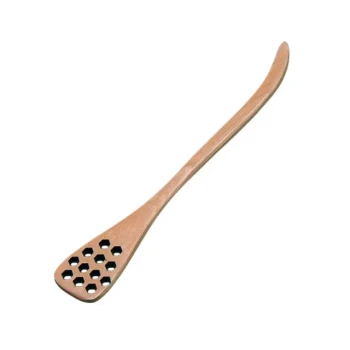
- Modern Honeycomb Pattern Wooden Honey Dipper for Stirring and Drizzling
- Heart-Shaped Comb Honey Frame and Honeycomb Cassette
- Honey Tank Heater Drum Heating Blanket for Honey Barrel
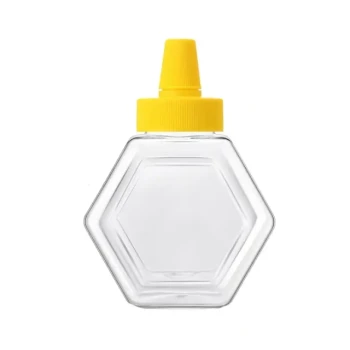
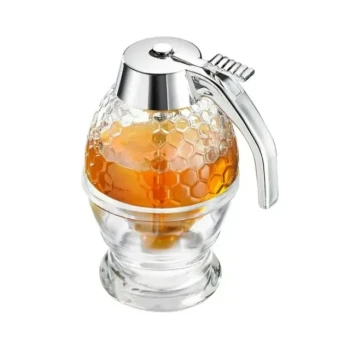
- Classic Beehive Honey Bottle Jar with Squeeze Dispenser Lid
- Professional Plastic Honey Dipper for Easy Honey Drizzling
People Also Ask
- What is the proper method for cleaning a honey dipper? Maintain Pure Flavor with These Easy Pro Tips
- What is a honey dipper and what is it used for? A Guide to Mess-Free Drizzling
- What is a honey dipper? Master the Art of the Perfect Drizzle with This Essential Tool
- What is a honey taking spoon called? Discover the Tool for a Perfect, Mess-Free Drizzle
- How do you clean and store a honey dipper? Simple Steps for Long-Lasting Performance