Migratory beekeeping is a logistical foundation of modern agriculture. Commercial beekeepers transport hundreds of colonies to farms and orchards when crops reach short, critical bloom periods, such as almonds in late winter and fruit trees in spring. This provides essential pollination services while allowing beekeepers to follow regional nectar flows, extend the harvest season, and produce specialized monofloral honey.
The central requirement is controlled mobility: colonies must be moved quickly, securely, and with adequate ventilation so they arrive stable, healthy, and ready to forage. Palletized hive systems, heavy-duty securing hardware, transport vehicles, hive-handling equipment, and protective gear form the core equipment package.
Why Migratory Beekeeping Matters to Agriculture
It supplies pollination when crops need it
Many agricultural crops depend on insect pollination, and the primary reference estimates that approximately 30 percent of human food consumption relies on insect-pollinated crops. Migratory beekeepers place colonies near fields and orchards during the precise flowering window when pollination has the greatest value.
This is especially important for crops with brief or geographically concentrated bloom periods. A local bee population may not be large enough, or active at the right time, to meet commercial pollination demand.
It connects colonies with changing bloom cycles
Flowering periods vary by crop, region, and climate. By moving colonies between areas, beekeepers can follow successive blooms rather than relying on a single local flowering season.
This geographic flexibility helps maintain colony productivity and supports a longer annual operating cycle.
It supports honey production and diversification
Migration also enables beekeepers to place colonies near high-value nectar sources, including crops and plants such as linden, buckwheat, rapeseed, and heather. This can increase honey production and support distinctive unifloral or monofloral honey products.
For commercial operators, the benefit is both agricultural and commercial: colonies provide pollination services while producing honey with specific flavor and market characteristics.
Equipment Required for Safe Colony Transport
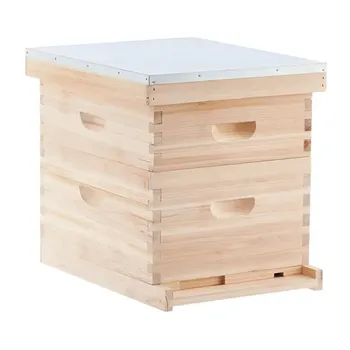
Transport-ready hives
Hive units must be suitable for repeated movement and capable of remaining stable during loading, road travel, and unloading. Durable hive construction reduces shifting and helps protect the colony’s internal arrangement.
Transport-ready equipment is particularly important for operations that relocate colonies frequently or across long distances.
Palletized hive systems
Palletized systems group multiple hive units into stable, manageable loads. They support faster loading and unloading while reducing the amount of individual hive handling required.
For commercial apiaries, palletization also improves space utilization and makes it easier to coordinate large shipments of colonies.
Heavy-duty straps and securing hardware
Hive-securing straps, restraints, and related hardware are critical for preventing hive bodies, lids, and pallets from shifting during transit. Movement can destabilize colonies, damage equipment, and increase handling risks.
Securing systems should be selected for the weight, configuration, and transport conditions of the hive loads. Reliability matters more than improvised fastening methods when hundreds of colonies are involved.
Ventilated transport arrangements
Colonies need adequate airflow during transit, particularly when many hive units are loaded closely together or temperatures rise. Specialized transportation equipment and stable loading platforms help maintain ventilation while keeping colonies contained.
A safe transport setup must balance two requirements: secure containment and sufficient airflow. Equipment that solves only one of these problems is incomplete.
Hive-handling machinery and loading vehicles
Specialized loading equipment and suitable vehicles reduce manual lifting, shorten handling times, and help prevent acute injuries. They also allow commercial operators to move large numbers of hives consistently.
Efficient handling is not merely a labor benefit. Faster, more controlled transfers can reduce disruption to colonies and improve the reliability of pollination schedules.
Protective equipment for operators
Beekeepers and loading crews require high-quality protective gear during loading, unloading, securing, and placement operations. Protective clothing and related equipment help reduce the risk of stings and injuries during repeated, high-volume handling.
For distributors and resellers, protective gear should be treated as part of the complete transport solution rather than as an optional accessory.
How Transport Equipment Supports Commercial Performance
It reduces handling time and physical strain
Migration involves repeated loading, securing, transport, unloading, and repositioning. Palletized systems and handling machinery streamline these steps and reduce physical exhaustion for crews.
This is particularly valuable for commercial apiaries working under narrow bloom windows, when delays can affect both pollination performance and revenue.
It improves colony stability during relocation
Stable platforms, durable hive units, and reliable restraints work together to reduce shifting and disturbance during transit. The goal is not simply to move hives, but to deliver colonies in usable condition.
When colonies arrive stable and well-ventilated, they can be positioned at the new site and begin foraging with less operational disruption.
It helps maximize asset utilization
Migratory equipment allows beekeepers to move the same colonies between successive agricultural and floral opportunities. This increases the productive use of hive assets across the year.
For B2B buyers, equipment quality therefore affects more than safety; it influences fleet capacity, labor efficiency, delivery reliability, and annual colony utilization.
Understanding the Trade-offs
Migration can increase colony stress
Frequent relocation exposes colonies to transportation stress and changing environmental conditions. Poorly secured loads, inadequate ventilation, rough handling, or unnecessary delays can increase these risks.
Equipment cannot eliminate biological stress, but properly designed transport systems can reduce avoidable logistical problems.
High-density movement can increase biosecurity concerns
Migratory operations bring colonies from different locations into closer contact, particularly at large agricultural sites. This can contribute to the spread of parasites such as Varroa mites if health management and operational controls are inadequate.
Transport equipment should therefore be integrated into a broader colony-health and biosecurity program rather than viewed as a standalone solution.
Improvised equipment creates avoidable risks
Using unsuitable straps, unstable loading surfaces, or vehicles that cannot safely accommodate hive pallets can endanger colonies and personnel. The apparent savings from improvised solutions may be outweighed by colony loss, damaged equipment, delays, or injuries.
Commercial buyers should evaluate equipment as a coordinated system: hive compatibility, load security, ventilation, handling, and worker protection must all be addressed.
Making the Right Choice for Your Operation
The best equipment package depends on colony volume, travel distance, relocation frequency, and the type of pollination contracts being served.
- If your primary focus is large-scale pollination: Prioritize palletized hive systems, durable transport-ready hives, heavy-duty securing hardware, ventilated loading arrangements, and suitable handling vehicles.
- If your primary focus is honey production and floral diversification: Choose transport systems that allow rapid, reliable relocation between short bloom cycles and high-value nectar sources.
- If your primary focus is workforce safety and efficiency: Invest in hive-handling machinery, stable loading platforms, ergonomic securing systems, and complete protective gear.
- If your primary focus is colony health: Combine secure, well-ventilated transport equipment with disciplined handling procedures and appropriate parasite and biosecurity management.
- If your primary focus is distribution or resale: Build a one-stop portfolio covering hives, pallets, restraints, handling equipment, transport solutions, and protective gear, supported by fast fulfillment and dependable technical service.
With the right equipment and operating discipline, migratory beekeeping becomes a safer, more efficient link between healthy bee colonies and productive agriculture.
Summary Table:
| Equipment Category | Critical Function | Commercial Benefit |
|---|---|---|
| Palletized Hive Systems | Groups multiple hives for stable, efficient loading/unloading | Faster operations, reduced labor, better space use |
| Heavy-Duty Straps & Securing Hardware | Prevents shifting during transit | Protects colonies and equipment, reduces losses |
| Ventilated Transport Arrangements | Maintains airflow, prevents overheating | Keeps bees healthy and calm, reduces stress |
| Hive-Handling Machinery & Vehicles | Reduces manual handling, speeds relocation | Less physical strain, shorter turnaround times |
| Protective Gear for Crew | Shields operators during handling | Minimizes stings and injuries, improves safety |
Ready to optimize your migratory beekeeping operation? At HONESTBEE, we offer a complete wholesale range of transport-ready hives, pallet systems, securing hardware, handling machinery, and protective gear—all designed for rapid, safe colony relocation. Our one-stop sourcing and fast fulfillment keep your apiary moving efficiently, even during tight bloom windows. Contact us today for expert advice and competitive pricing—let’s power your pollination success! Get in touch now.
Related Products
- Queen Bee Artificial Insemination Instrument Equipment for Instrumental Insemination
- Stainless Steel J Hook Hive Tool for Beekeeping
- Stainless Steel Queen Grafting Tool for Beekeeping and Bee Queen Grafting
- Plastic Transporting Bee Packages and Nuc Boxes for Beekeeping
- Durable Galvanized Steel Frame Grip
People Also Ask
- Why is maintaining sanitary conditions important during artificial insemination? Protect Your Queen from Fatal Infections
- Why are artificial insemination instruments critical in bee hybridization? Master Genetic Control & Pure Breeding
- What is the core value of bee artificial insemination instruments in breed improvement? Achieve Precise Genetic Control
- Why is professional bee artificial insemination equipment considered a core tool for genetic control in honeybee breeding? Ensure 100% Purity
- Why is high-purity CO2 used for queen bee artificial insemination? Unlock Precision Breeding & Faster Egg-Laying