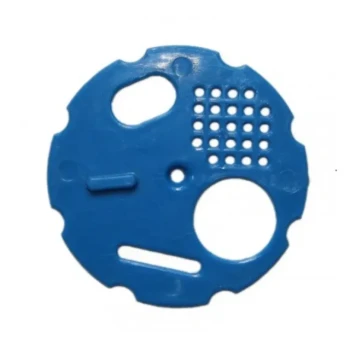
Narrowing hive entrance widths acts as a critical mechanical barrier in beekeeping, serving as a first line of defense against external threats. By physically reducing the size of the entry gap (slit reduction), you prevent larger predators—specifically hornets and wolf wasps—from infiltrating the hive while enabling the colony to defend itself more effectively.
By reducing the physical size of the hive entrance, you turn a broad vulnerability into a defensible "choke point." This simple adjustment maximizes the colony's ability to repel invaders during high-risk seasons like autumn.
The Mechanics of Defensive Geometry
Creating a Physical Barrier
The primary function of slit reduction is size exclusion.
By narrowing the entrance, you create a gap that remains passable for worker bees but is physically too small for larger predators.
This mechanical restriction effectively blocks the entry of significant threats, such as hornets and wolf wasps, preventing them from bypassing the guard bees.
Concentration of Force
A wide entrance requires a large number of bees to guard the entire perimeter.
Narrowing the width assists the colony by condensing its defensive line.
This allows the colony to concentrate its defensive forces in a small area, making it much harder for any pest to force its way through without being overwhelmed.
Strategic Timing and Protection
Preventing Resource Theft
Pests generally enter a hive with two goals: to steal honey or to kill the colony members.
A narrowed entrance serves as a necessary deterrent, reducing the risk of these pests successfully looting the hive's winter stores.
The Autumn Critical Period
The reference highlights that this technique is particularly vital during autumn.
This season typically sees peak activity for pests like wasps and hornets as their own natural food sources dwindle.
Implementing slit reduction during this specific window provides essential protection when the external pressure on the colony is highest.
Understanding the Trade-offs
Balancing Defense and Traffic
While a narrow entrance is excellent for defense, it acts as a bottleneck.
During periods of heavy nectar flow, a very narrow slit may cause congestion for returning foragers, potentially slowing down production.
Monitoring for Debris
A smaller opening is easier for bees to defend, but also easier to block.
Beekeepers must ensure that dead bees or debris do not accumulate behind the narrowed slit, which could trap the colony inside or impede ventilation.
Making the Right Choice for Your Goal
To apply this technique effectively, assess the current environmental pressure on your apiary.
- If your primary focus is Defense (Autumn/High Pest Activity): Prioritize a narrow entrance to physically exclude hornets and allow guard bees to concentrate their force.
- If your primary focus is Foraging Efficiency (Spring/Summer): Maintain a wider entrance to prevent congestion, provided that predator pressure is low.
By adjusting the entrance width to match the season, you provide your colony with the tactical advantage it needs to survive.
Summary Table:
| Defensive Mechanism | Primary Benefit | Strategic Timing |
|---|---|---|
| Size Exclusion | Blocks larger predators like hornets/wasps | High-risk seasons (Autumn) |
| Force Concentration | Condenses the defensive line for guard bees | During pest infestations |
| Resource Protection | Prevents honey theft and colony loss | Pre-wintering phase |
| Bottleneck Control | Balances traffic flow vs. security | Low nectar flow periods |
Secure Your Apiary’s Future with HONESTBEE
Protecting your colony starts with the right equipment. HONESTBEE specializes in supporting commercial apiaries and distributors with a comprehensive range of professional beekeeping tools and machinery. From precision-engineered hive-making machines to specialized hardware designed for optimal hive defense, we provide the essential supplies you need to scale your operations.
Whether you are looking for wholesale beekeeping equipment, honey-filling machinery, or honey-themed cultural merchandise, our portfolio is built to enhance your efficiency and protect your investment.
Ready to upgrade your commercial apiary? Contact us today to discuss your wholesale needs and see how our industry-leading solutions can benefit your business.
References
- Boymakhmat Kakhramanov, Khusniddin Donaev. Effective methods of bee pest control. DOI: 10.1051/e3sconf/202338101012
This article is also based on technical information from HonestBee Knowledge Base .
Related Products
- Professional Reversible Beehive Hive Entrance
- Steel Round Disc Entrance Reducer for Flexzion Bee Hive Nuc Box Gate
- Beehive Entrance Reducer Guardian Metal Hive Entrance for Bees
- Multi-Functional Rotary Hive Entrance Disc for Beekeeping
- Multi-Functional Sliding Hive Entrance for Beekeeping
People Also Ask
- Where is the hive entrance typically located? Optimize Your Hive's Health and Honey Production
- What role does the size of the entrance play in hive ventilation? Master Beehive Climate Control
- What roles does the hive entrance (piquera) play in beehive management and colony health? Essential Guide for Pro Apiaries
- What are the primary advantages of providing a smaller entrance for a beehive? Boost Defense and Winter Survival
- Why adjust beehive entrance size for humidity? Boost Honey Ripening and Varroa Control in Commercial Apiaries