To replace a queen in a highly aggressive colony, heavily smoke the hive, remove any supers and queen excluders, and insert a mature queen cell protected by aluminum foil between the top bars of the brood frames. Secure the cell by folding excess foil over the top bar, ensuring the cell hangs safely within the brood nest without being crushed.
By introducing a protected cell into a colony with an active queen, you trigger "induced supersedure." This allows the new queen to emerge, mate, and naturally replace the aggressive queen without requiring you to locate and remove her first, significantly reducing the danger of the intervention.
Preparing the Colony for Intervention
Mitigating Aggression with Smoke
Before opening the hive, you must smoke the colony heavily. Aggressive colonies react quickly to disturbance, and heavy smoke is necessary to mask alarm pheromones and disrupt their defensive organization.
Choosing the Right Weather conditions
Perform this procedure on a good flying day when a significant portion of the colony's foragers are out in the field. This reduces the population density inside the hive, resulting in fewer active, aggressive bees to contend with during the manipulation.
Removing Obstacles
Quickly remove the supers and the queen excluder to access the brood nest. Speed and efficiency are vital when dealing with "hot" hives to minimize the time the colony is open and agitated.
Placing the Protected Cell
Using Aluminum Foil for Protection
While various protectors exist (such as spiral wire or bamboo), aluminum foil is a simple, effective method. Wrap the sides of the queen cell in foil to prevent the workers from tearing it down, leaving the tip exposed for the queen to emerge.
Securing the Cell Between Frames
Place the foil-wrapped cell between the top bars of the frames in the center of the brood nest. You may need to slightly pry the frames apart to create enough space for the cell to fit without damage.
Anchoring the Protector
Ensure there is excess foil at the top of the wrapping. Fold this excess foil over the frame's top bar to act as a hanger; this prevents the cell from slipping down to the bottom board where it would likely chill or be ignored.
Understanding Induced Supersedure
How the Replacement Occurs
This method relies on the colony accepting the emerging virgin queen alongside the existing aggressive queen. Once the new queen emerges and successfully mates, she will typically replace the old queen naturally.
Benefits of Continuity
Because the old queen is left in place during the transition, there is no break in brood production. Additionally, the old queen serves as a backup; if the new queen fails to return from her mating flight, the colony is not left hopelessly queenless.
Understanding the Trade-offs
The Success Rate
This technique is not foolproof; it has a reported success rate of approximately 80%. While high, this means there is a roughly 1 in 5 chance the method will fail, either resulting in the rejection of the new queen or the persistence of the old one.
Verification Challenges
Because you are not removing the old queen first, verifying success requires follow-up. You will eventually need to check the colony (once their temperament improves) to ensure the aggressive genetics have actually been replaced.
Making the Right Choice for Your Goal
This method is a strategic compromise between safety and certainty.
- If your primary focus is safety and speed: Use this method to introduce better genetics without the high risk of searching through an aggressive hive for the old queen.
- If your primary focus is production continuity: Rely on this technique to maintain brood rearing, as the old queen continues to lay eggs while the new queen matures.
Ultimately, this approach allows you to correct a colony's defensive behavior while minimizing the immediate physical risk to yourself.
Summary Table:
| Step | Action | Key Benefit |
|---|---|---|
| Preparation | Heavy smoke & select flying day | Minimizes defensive behavior and hive population |
| Protection | Wrap queen cell in aluminum foil | Prevents workers from destroying the cell before emergence |
| Placement | Hang between central brood frames | Ensures the new queen emerges in the heart of the nest |
| Outcome | Induced Supersedure | Natural replacement with no break in brood production |
Scale Your Apiary Operations with HONESTBEE
Managing aggressive colonies is just one challenge in commercial beekeeping. At HONESTBEE, we empower commercial apiaries and distributors with the high-quality tools and machinery needed to maintain hive health and operational efficiency.
Whether you need specialized hive-making machinery, precision honey-filling equipment, or a steady supply of essential beekeeping consumables, we provide comprehensive wholesale solutions tailored to your business goals.
Ready to upgrade your equipment and boost your productivity? Contact HONESTBEE Today to explore our full spectrum of beekeeping hardware and cultural merchandise.
Related Products
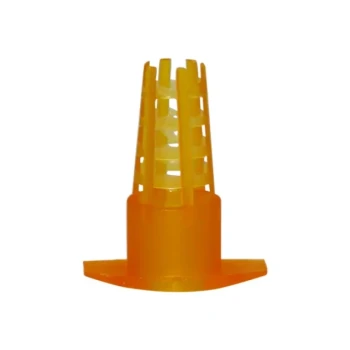
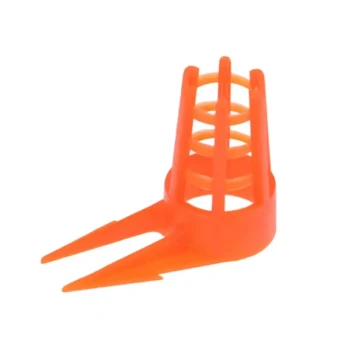
- JZBZ Style Shipping Cell Protector for Queen Rearing Kit
- JZBZ Style Push-In Cell Protector for Professional Queen Rearing Kits
- Premium Nicot Style Cell Bar Holder and Queen Cell Cup Holder System
- Clear Black Plain Polystyrene Queen Bee Grafting Cell Cups No Lug for Bee Queen Cup
- JZBZ Type Wide Base Plastic Queen Cell Cups for Base Mounting and Queen Rearing
People Also Ask
- What is the purpose of queen cell protectors? Safeguard Your Queen Rearing Success
- How can aluminum foil be used to protect a queen cell? Low-Cost Shielding for Queen Introduction
- What are some methods and types of queen cell protectors? Safeguard Your Queen Introduction Process
- What is the primary reason for using queen cell protectors? Secure Your Yield with Proven Protection
- What is the role of queen cell protectors and emergence cages? Secure Your Genetic Stock and Hive Stability