Preventing beeswax fires requires strict temperature control and the right equipment. To avoid overheating, always melt wax in a heat-resistant vessel like a crockpot or double boiler, keeping the temperature around 155°F, and never expose it to direct stovetop heat or open flames. Keep a fire extinguisher within arm's reach, and if a fire occurs, smother it with a lid—never use water.
Beeswax behaves similarly to grease; it is highly flammable when overheated and reacts violently with water. The most critical safety protocol is to separate the wax from direct heat sources and maintain a constant temperature well below its flash point.
Managing the Heat Source
Avoid Direct Flame
Beeswax is flammable and should never be melted directly over an open flame or an electric burner.
Direct contact with high heat can cause "hot spots" where the wax instantly overheats, leading to combustion.
Use Indirect Heating Methods
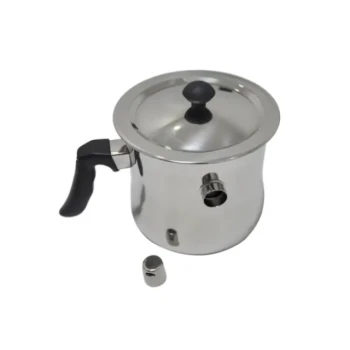
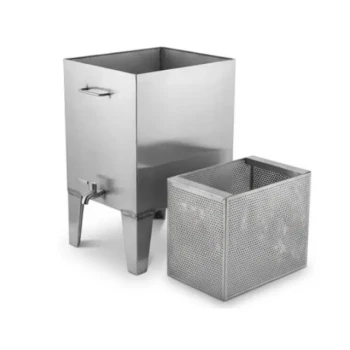
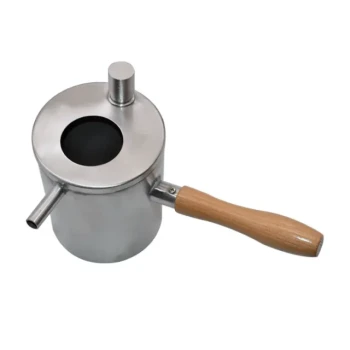
The safest method for processing is to use a container specifically designed for slow heating.
A dedicated crockpot (slow cooker) or a double boiler system provides the necessary indirect heat.
These tools surround the wax with consistent, lower-temperature heat rather than intense, focused energy.
Temperature Control and Monitoring
The Safe Temperature Zone
Set your melting temperature to approximately 155°F.
This temperature is sufficient to melt the wax for processing without pushing it toward its flash point.
Continuous Supervision
Never leave melting wax unattended, even for a moment.
Conditions can change rapidly; if the equipment malfunctions or the wax depletes, the temperature can spike unexpectedly.
The Water Paradox and Fire Safety
The Danger of Water
Water is the enemy of hot beeswax.
Never use water to extinguish a wax fire, as it will cause the burning wax to splatter and spread the fire, similar to a grease fire.
Additionally, never add water to a pot of melted wax that is currently being heated; this can cause the wax to erupt violently from the container.
Proper Extinguishing Techniques
If a fire occurs, your goal is to cut off the oxygen supply.
Immediately smother the flames using a fire-resistant lid.
Keep a fire extinguisher nearby at all times as a secondary line of defense.
Personal Protection and Environment
Protective Gear
Always wear protective clothing, including heat-resistant gloves and goggles.
This protects you from accidental splashes, which can cause severe burns and skin irritation.
Ventilation and First Aid
Work in a well-ventilated area to prevent the accumulation of wax fumes, which can be harmful if inhaled.
Keep cool running water accessible, but use it only for treating skin burns, never for putting out a wax fire.
Understanding the Trade-offs
Equipment vs. Speed
Using a double boiler or crockpot is slower than direct heat.
However, the trade-off is essential: "faster" methods drastically increase the risk of the wax reaching its flash point and igniting.
The False Sense of Security with Water
Having water nearby for first aid (burns) can lead to confusion during a fire panic.
You must mentally compartmentalize: water is for your skin, but a lid or extinguisher is for the fire.
Confusing these two uses during an emergency is a common and dangerous pitfall.
Establishing a Safe Workflow
To ensure safety without compromising the quality of your wax processing, adhere to these guidelines:
- If your primary focus is preventing combustion: Use a crockpot set to 155°F and ensure the wax never comes into contact with an open flame.
- If your primary focus is emergency readiness: Pre-position a tight-fitting metal lid and a fire extinguisher within arm's reach before turning on the heat.
Treat beeswax processing with the same caution as deep-frying; respect the temperature limits and maintain a dry, controlled environment.
Summary Table:
| Safety Category | Recommended Practice | Why It Matters |
|---|---|---|
| Heating Method | Double boiler or crockpot | Prevents "hot spots" and direct flame combustion |
| Temperature | Maintain ~155°F (68°C) | Keeps wax below its flash point for safe handling |
| Fire Suppression | Metal lid or fire extinguisher | Smothers oxygen; water causes violent splattering |
| Supervision | Never leave unattended | Prevents rapid temperature spikes if equipment fails |
| PPE | Heat-resistant gloves & goggles | Protects against severe burns from splashes |
Scale Your Beeswax Production Safely with HONESTBEE
Processing beeswax at scale requires precision, safety, and the right industrial tools. At HONESTBEE, we specialize in supporting commercial apiaries and distributors with high-quality, reliable beekeeping machinery and tools designed for professional use. From advanced melting equipment to honey-filling machines and essential industry consumables, our comprehensive wholesale offerings ensure your operations remain efficient and safe.
Ready to upgrade your apiary equipment? Contact us today to discover how our specialized hardware and industry expertise can drive your business growth.
Related Products
- Beeswax Machine Press Embosser Wax Foundation Mold Printer Bee Hive Equipment Making Sheet
- Beeswax Foundation Sheets Beehive Foundation for Wholesale
- Colorful Silicone Beeswax Foundation Mold Mould for Beekeeping
- Economy Manual Beeswax Embossing Mill Wax Foundation Machine Roller
- Electric Beeswax Flat Sheet Machine with Operating Tray for Wax Processing
People Also Ask
- What equipment is needed to make beeswax foundation? A Guide to DIY Wax Sheet Production
- What miscellaneous equipment is needed for making foundation? A Guide to the Essential Tools
- What miscellaneous equipment is useful when making beeswax foundation? Essential Support Tools for Beekeepers
- What specific equipment is required for making beeswax foundation? Essential Tools for High-Quality Production
- What is the recommended temperature for melting beeswax to make foundation sheets? Master the 70°C-80°C Ideal Range