Specialized wax melters and filtration consumables act as the critical quality control mechanism in beeswax recovery, transforming raw apiary by-products into commercial-grade material. By combining precise thermal regulation with high-density physical separation, these tools isolate pure beeswax from organic debris while preventing the chemical degradation common in traditional processing methods.
The core function of this equipment is to decouple the melting process from the risk of burning. By maintaining constant, safe temperatures and employing pressure-resistant filtration, operators can recover high-purity beeswax that meets the strict standards required for cosmetic, pharmaceutical, and food-grade applications.
The Role of Precision Heating
The primary distinction between industrial refining and rudimentary processing is how heat is applied to the raw material.
Preventing Thermal Degradation
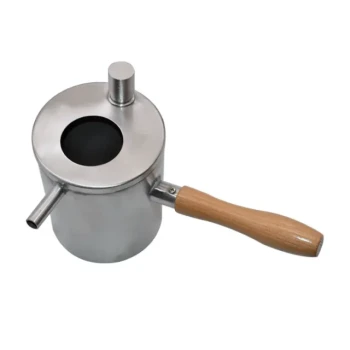
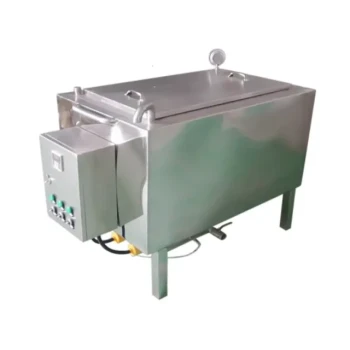
Traditional heating often subjects wax to fluctuating or excessive temperatures, resulting in "burnt" impurities. Specialized electric or steam-based melters utilize constant-temperature heating processes.
This uniform environment ensures the wax liquefies without overheating. By adhering to a specific thermal ceiling, the equipment preserves the inherent physical and chemical properties of the beeswax, preventing the breakdown of its natural structure.
Preserving Sensory Attributes
Beyond chemical stability, precise heating is essential for maintaining the wax's economic value.
Overheating darkens the wax and destroys its natural scent. Controlled melting mechanisms minimize thermal damage, effectively preserving the original color and unique aroma that define premium beeswax.
The Role of Filtration Consumables
Once the wax is liquefied, filtration consumables are responsible for the physical purification of the product.
High-Density Impurity Separation
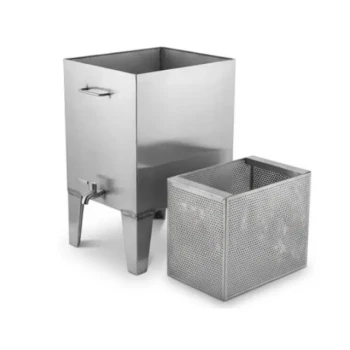
Filtration consumables, specifically specialized linen filter bags and multi-stage systems, act as the barrier between value and waste.
They are designed to capture pigments, biological residues, bee cocoons, and mechanical impurities. This separation is critical for producing high-purity beeswax blocks that are free from the colony debris found in raw comb.
Withstanding Mechanical Pressure
In systems utilizing wax presses, the filtration consumable must play a structural role.
Linen filter bags are engineered with a specific fiber pore structure. They must withstand significant mechanical pressure to retain solid waste inside the bag while allowing the purified liquid wax to flow out freely. This ensures that even under stress, the separation between contaminants and pure wax remains absolute.
Economic and Industrial Implications
The interaction between melters and filters dictates the final application of the product.
Maximizing Resource Utilization
These tools allow apiaries to recycle by-products—such as old foundation, waste combs, and burr combs—that might otherwise be discarded.
By effectively separating usable wax from hive residue, operations convert waste into a consistent secondary revenue stream.
Meeting High-End Grade Standards
The purity achieved through this specialized process is mandatory for high-value industries.
Manufacturers of waterproof cosmetics, medical polishes, and pharmaceuticals require beeswax with specific antibacterial and film-forming properties. Only wax refined through precise temperature control and multi-stage filtration can meet these rigorous application grades.
Understanding the Trade-offs
While specialized refining offers superior quality, it introduces specific operational considerations.
Consumable Dependency
Unlike passive settling tanks, pressure-based systems rely heavily on the integrity of the filtration media.
The quality of the final product is directly tied to the condition of the linen filter bags or filter pads. These are consumable items that degrade over time; if a bag ruptures under pressure due to wear, the entire batch can be re-contaminated, requiring re-processing.
Throughput vs. Precision
There is an inherent balance between processing speed and purity.
High-density filtration naturally creates resistance, which can slow down the flow rate compared to coarser filtration methods. Achieving "cosmetic grade" purity often requires a slower, multi-stage process that prioritizes cleanliness over immediate volume.
Making the Right Choice for Your Goal
To select the right equipment and consumables, you must define the intended end-use of your beeswax.
- If your primary focus is Pharmaceutical or Cosmetic Supply: Prioritize melters with electric, constant-temperature controls and multi-stage filtration to guarantee the preservation of antibacterial properties and zero biological residue.
- If your primary focus is Industrial Candle Manufacturing: Prioritize wax presses with durable linen filter bags that can handle high volumes of old comb efficiently while maintaining structural integrity.
The value of refined beeswax is not just in its existence, but in its purity; specialized equipment is the investment that secures that value.
Summary Table:
| Refining Component | Primary Role | Key Benefit |
|---|---|---|
| Specialized Melters | Precise Thermal Regulation | Prevents burning, preserves color & natural aroma |
| Linen Filter Bags | High-Density Separation | Removes biological residues and organic impurities |
| Multi-stage Systems | Physical Purification | Achieves cosmetic, pharmaceutical & food-grade purity |
| Wax Presses | Mechanical Pressure Handling | Maximizes wax recovery from old foundation and waste combs |
Elevate Your Beeswax Production with HONESTBEE
Transform your raw apiary by-products into premium, market-ready beeswax with HONESTBEE. As a dedicated partner to commercial apiaries and global distributors, we provide the professional-grade tools you need to maximize purity and profit.
Our comprehensive wholesale range includes:
- Specialized Machinery: Precision honey-filling and hive-making machines.
- Refining Equipment: High-performance wax melters and durable wax presses.
- Essential Consumables: High-density linen filter bags and industry-standard hardware.
- Retail Value-Add: Honey-themed cultural merchandise to diversify your portfolio.
Whether you are aiming for cosmetic-grade excellence or industrial-scale efficiency, HONESTBEE delivers the expertise and equipment to grow your business.
Contact HONESTBEE Today to Discuss Your Wholesale Requirements
References
- Kehinde Adesina Thomas, Sidi Y. Tounkara. Apiculture and Poverty Reduction Nexus: Evidence From Rural Households in Sikasso Region of Mali. DOI: 10.1080/0005772x.2019.1692416
This article is also based on technical information from HonestBee Knowledge Base .
Related Products
- Professional Stainless Steel Wax Melter for Beekeeping and Crafts
- Electric Commercial Beeswax Melter for Factory Use
- Beeswax Melter for Candle Making Honey Bee Wax Melter
- Steam Beeswax Melter Wax Warmer for Wax Processing
- Solar Beeswax Melter Easy Solar Wax Melter for Beeswax
People Also Ask
- What are the benefits of using a professional wax melter? Achieve Consistent, Scalable, and Safe Production
- What are the two main types of wax melters available? A Guide to Direct vs. Indirect Heat
- What are the types of wax melters available? Choose the Right Heating Method for Your Project
- What is the fundamental operating principle of a wax melter? Master the Thermal Phase Change for Pure Beeswax
- What do you use a wax melter for? From Home Fragrance to Professional Beekeeping