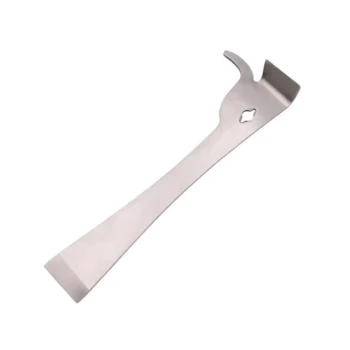
A normal hive tool is the essential instrument for maintaining the internal sanitation and mechanical function of a beehive. Specifically, it is used to scrape top bars, bottom boards, inner covers, and telescoping top covers to remove accumulated debris, while also serving as a precision tool for scraping away stingers.
Core Takeaway Hive hygiene is not just about cleanliness; it is about ensuring the proper fit and function of hive components. By regularly scraping away burr comb and excess propolis from mating surfaces, you prevent equipment damage and maintain a manageable environment for the colony.
Critical Scraping Locations
Clearing the Top Bars
The most frequent hygiene task involves scraping the top bars of the frames. Bees often build "burr comb" (excess wax) here, which can bridge the gap between hive bodies.
Using the flat end of the hive tool, you push-scrape across the tops of the frames to remove this wax. This ensures that the inner cover or the next box sits flush, maintaining the correct "bee space."
Cleaning the Covers
Both the inner cover and the telescoping top cover require regular attention. Bees will attach these covers to the hive body using propolis and burr comb.
After prying the covers off, use the tool to scrape the underside of the inner cover and the interior of the telescoping cover. This removes obstructions that could crush bees or prevent the hive from closing properly.
Sanitizing the Bottom Board
Debris, pollen, dead bees, and wax cappings fall to the bottom board, creating a potential haven for pests like wax moths or Small Hive Beetles.
During inspections, use the hive tool to scrape the bottom board clean. The flat end functions well as a push scraper here, effectively clearing the "floor" of the hive.
Removing Biological Debris
Managing Propolis and Burr Comb
Propolis is a sticky resin bees use as a sealant, while burr comb is rogue wax construction. Both must be managed to keep the hive serviceable.
The hive tool's sharp bevel provides the leverage needed to shear through hardened propolis on frame ears and box edges. Regular removal prevents the components from becoming fused together, which would make future inspections difficult and disruptive.
Eliminating Pests
A normal hive tool is also used for immediate mechanical pest control during hygiene checks. If Small Hive Beetles are spotted, the flat surface of the tool is used to crush them against the hive components immediately.
Removing Stingers
Beyond the hive structure, the tool is used for personal safety and hygiene. If you are stung, the hive tool can be used to scrape the stinger out of your skin. This is preferable to pinching the stinger, which would squeeze more venom into the wound.
Understanding the Trade-offs
Tool Hygiene vs. Hive Hygiene
While the hive tool is used to clean the hive, it can also become a vector for disease. Using a dirty tool to scrape frames can transfer pathogens like American Foulbrood between colonies.
To mitigate this, many beekeepers dip their hive tool in a washing soda solution between inspections. Alternatively, using a separate tool for each hive ensures zero cross-contamination, though this is less practical for larger apiaries.
The Risk of Over-Scraping
The hive tool is a steel lever; applying too much force or scraping too aggressively can damage wooden components. Furthermore, jarring the hive excessively while scraping propolis can agitate the colony.
Making the Right Choice for Your Goal
When employing a hive tool for hygiene, tailor your approach to the specific condition of the hive:
- If your primary focus is routine inspection: Prioritize scraping the top bars and inner cover to ensure the hive boxes stack correctly without crushing bees.
- If your primary focus is seasonal deep cleaning: Perform a thorough scrape of the bottom board and remove heavy propolis buildup from the frame rests to reset the hive's internal dimensions.
Regular, careful scraping prevents minor buildup from becoming a major mechanical obstacle.
Summary Table:
| Hygiene Task | Component | Purpose |
|---|---|---|
| Burr Comb Removal | Top Bars & Covers | Ensures proper bee space and prevents crushing bees when closing the hive. |
| Floor Sanitizing | Bottom Board | Clears dead bees, pollen, and debris to discourage wax moths and beetles. |
| Propolis Management | Frame Ears & Joints | Prevents equipment from fusing together; ensures easier future inspections. |
| Mechanical Pest Control | Internal Surfaces | Crushes Small Hive Beetles on sight using the tool's flat surface. |
| Personal Hygiene | Beekeeper's Skin | Safely scrapes out stingers to minimize venom injection. |
Elevate Your Apiary's Efficiency with HONESTBEE
Maintaining hive hygiene is the foundation of a productive honey harvest. At HONESTBEE, we specialize in supporting commercial apiaries and distributors with the high-quality tools required to manage large-scale operations successfully.
Our comprehensive wholesale portfolio includes:
- Precision Beekeeping Tools: Durable hive tools, smokers, and protective gear.
- Advanced Machinery: Commercial-grade honey-filling machines and hive-making equipment.
- Industry Consumables: A full array of essential supplies for the modern beekeeper.
- Cultural Merchandise: Honey-themed products to diversify your retail offerings.
Whether you are scaling your honey production or stocking your distribution warehouse, HONESTBEE provides the hardware and expertise you need to thrive.
Ready to upgrade your equipment? Contact us today to discuss wholesale solutions!
Related Products
- Professional Multi-Function Stainless Steel Hive Tool
- Professional Stainless Steel Pry-Bar Hive Tool
- HONESTBEE Professional Long Handled Hive Tool with Precision Cutting Blade
- HONESTBEE Premium Italian Style Hive Tool with Hardwood Handle
- Ergonomic Plastic Frame Spacer Tool for Rapid Hive Management Beekeeping
People Also Ask
- Why are professional hive tools considered indispensable? Master Beekeeping Maintenance with Precision Leverage
- What is the role of professional hive tools in routine apiary maintenance? Expert Tips for Hive Health and Longevity
- What are the benefits of a multi-functional hive tool? Streamline Your Apiary Workflow with One Tool
- What advantages do multi-functional hive tools offer? Maximize Your Apiary Efficiency and Workflow
- What are the common construction features of hive tools? Key Insights for Superior Beekeeping Efficiency