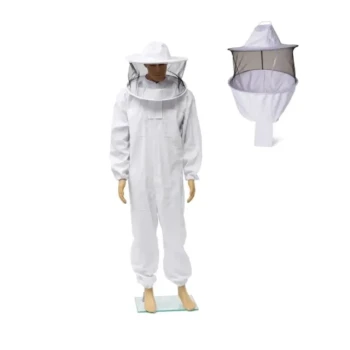
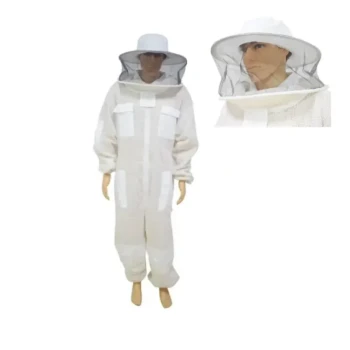
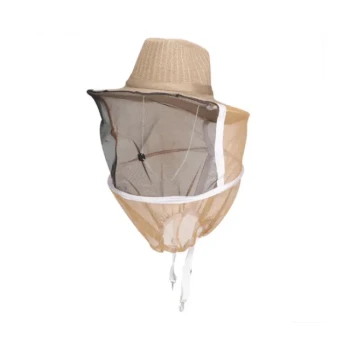
To ensure maximum safety and mobility, you must tuck in your first layer of clothing before putting on your beekeeping suit. This simple action eliminates gaps where bees could potentially enter. Additionally, you should avoid wearing tight clothing, opting instead for loose layers that allow for movement and prevent stingers from reaching your skin.
Core Takeaway Your under-layers serve as the final line of defense and the primary regulator of comfort. Tucking in loose, long clothing creates a critical "air gap" that prevents stinger penetration and seals off entry points for bees.
Securing the Perimeter
Eliminate Entry Points
The most critical step in preparing your under-layers is to tuck in your clothing. A shirt left untucked can bunch up, creating a pathway for a bee to crawl against your skin if it breaches the outer suit.
Seal the Gaps
Ensure your shirt is tucked securely into your pants. If possible, tuck your pant legs into your socks or boots. This creates a continuous seal that prevents bees from traveling up your legs or torso.
Optimizing for Safety and Mobility
The Dangers of Tight Clothing
Avoid tight clothes at all costs. If your under-layer sits tight against your skin, it acts as a bridge rather than a barrier. A bee's stinger can easily penetrate the suit fabric and the tight clothing underneath to sting you.
Creating a Safety Buffer
Wear loose-fitting garments. Loose fabric creates a buffer of air between the suit and your body. This empty space makes it mechanically difficult for a stinger to reach your skin, even if it pierces the outer suit.
Preserving Range of Motion
Beekeeping requires bending, lifting boxes, and precise movements. Tight clothing restricts your mobility. Loose layers ensure you can move freely and react quickly without fighting against your own clothing.
Managing Temperature and Coverage
Full Limb Coverage
Despite the heat, it is recommended to wear long sleeves and long pants. This provides an extra layer of material protection. Loose jeans, for example, offer a durable secondary safeguard against stingers.
Regulating Body Heat
Beekeeping suits can trap significant heat. While coverage is necessary, choose light fabrics for your under-layers to avoid overheating. The goal is to balance the thickness required for protection with the breathability needed for comfort.
Understanding the Trade-offs
Protection vs. Overheating
There is an inherent trade-off between maximum protection and thermal comfort. Thick, loose jeans offer excellent stinger protection but can lead to rapid overheating in summer months. Conversely, very thin, light clothing keeps you cool but offers less resistance if the outer suit is pressed tight against your body. You must assess the weather and the temperament of your bees to strike the right balance.
Making the Right Choice for Your Session
Your choice of under-layer should adapt to your specific environment and the task at hand.
- If your primary focus is maximum protection: Wear loose-fitting jeans and a long-sleeved shirt, fully tucked in, to create the strongest barrier against stings.
- If your primary focus is heat management: Opt for loose, lightweight, and breathable natural fibers that cover your limbs without trapping excess body heat.
Always prioritize a gap-free fit to ensure your safety inside the apiary.
Summary Table:
| Clothing Strategy | Key Action | Benefit |
|---|---|---|
| Securing Gaps | Tuck shirts into pants; pants into socks | Eliminates entry points for bees |
| Fit Selection | Choose loose-fitting garments | Creates a stinger-proof air buffer |
| Mobility | Avoid tight clothing | Ensures full range of motion for lifting hives |
| Full Coverage | Wear long sleeves and long pants | Provides a secondary protective layer |
| Heat Control | Use breathable, light fabrics | Balances protection with thermal comfort |
Elevate Your Apiary Safety with HONESTBEE
At HONESTBEE, we understand that professional beekeeping requires the perfect balance of protection and efficiency. As a leading partner for commercial apiaries and distributors, we offer a comprehensive wholesale range of high-quality beekeeping suits, tools, and advanced machinery designed to keep you safe and productive.
Whether you need specialized hive-making equipment, precision honey-filling machines, or a steady supply of industry consumables, we provide the hardware and expertise to grow your business.
Ready to scale your beekeeping operations? Contact us today to explore our wholesale solutions and see how our premium equipment can benefit your apiary.
Related Products
- Premium Cotton Beekeeper Suit with Reinforced Fencing Veil
- Professional Cotton Beekeeper Suit with Round Veil Design for Commercial Apiaries
- Professional Beekeeper Suit with Square Folding Cotton Veil
- Vented Beekeeping Jacket with Hood and Veil for Beekeepers
- Three-Layer Ventilated Beekeeper Suit with Structured Fencing Veil
People Also Ask
- What material and design specifications are recommended for a high-quality beekeeper suit? Top Gear Selection Guide
- How to Pre-treat Propolis Stains on Beekeeping Suits? Master Advanced Fabric Care and Soil Removal
- What features should be considered for sting protection in a beekeeping suit? Ensure Total Safety and Comfort
- What are the differences between full suits and jackets with veils in beekeeping? Choose Your Best Protection
- What features should be looked for in a beekeeping suit for maximum comfort? Prioritize Ventilation and Fit