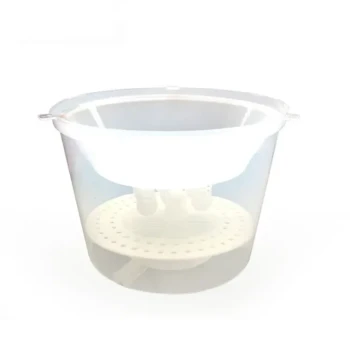
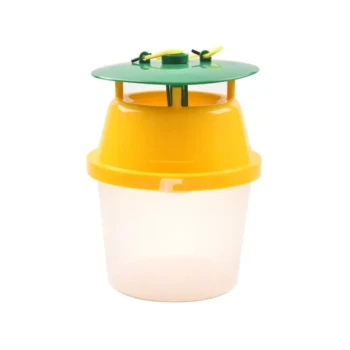
The primary substances used in small hive beetle traps are liquid oils, such as mineral or vegetable oil, and dry desiccants like hydrated lime or diatomaceous earth. While oils function by physically drowning the beetles, dry substances work by injuring or dehydrating the pests, offering a spill-free alternative that requires specific safety precautions to protect the bees.
Core Takeaway Choosing the right substance requires balancing efficacy against maintenance difficulty. While liquid oils are a standard drowning agent, dry powders like hydrated lime eliminate the risk of spills and rancid odors, provided they are contained securely to prevent harm to the colony.
Liquid Agents: The Drowning Method
Vegetable and Mineral Oils
The most widely used approach involves filling the trap compartment halfway with liquid oil. Common choices include standard cooking oil (vegetable oil) or mineral oil.
Mechanism of Action
These substances work simply and physically. When beetles enter the trap, they fall into the viscous liquid and are unable to climb out, eventually drowning.
Maintenance Requirements
Because organic oils can degrade, you must monitor these traps regularly. The primary reference suggests filling the compartment only halfway to minimize the risk of sloshing or overflowing during hive inspections.
Dry Agents: The Desiccant Method
Hydrated Lime and Diatomaceous Earth
An effective alternative to oil is the use of dry powders, specifically hydrolyzed lime dust or food-grade diatomaceous earth. These can be easier to handle than liquids as they do not slosh.
Mechanism of Action
Rather than drowning the pest, these substances attack the beetle's biology. They work by dehydrating the beetles or, in the case of diatomaceous earth, cutting their exoskeletons to cause fatal injury.
Odor Control
Unlike oils, dry agents generally do not produce foul odors. They desiccate the trapped beetles, preventing the "rotting" smell that often occurs in oil-filled traps.
Substances to Avoid
Boric Acid
While sometimes used in general pest control, boric acid should not be used inside a beehive. It poses a contamination risk, particularly if honey supers are present on the hive.
Understanding the Trade-offs
The Risk of Oil Spillage
The main disadvantage of using oil is the difficulty in handling the traps without making a mess. Spilling oil into the hive or onto yourself is common during inspections, and oil on the bees can be detrimental.
The "Rancid Oil" Problem
When beetles die in oil, they begin to decompose. If the oil is not changed frequently, it can go rancid and produce a bad odor, which may actually deter other beetles from entering the trap, rendering it ineffective.
The Dangers of Diatomaceous Earth
While effective against beetles, diatomaceous earth is non-selective. If it spills out of the trap and comes into direct contact with bees, it will abrade their exoskeletons just as it does the beetles, potentially harming the colony.
Making the Right Choice for Your Goal
To maximize trap efficiency, ensure you scrape propolis off top bars so the trap sits flush, eliminating hiding spots. When selecting your substance:
- If your primary focus is readily available materials: Use vegetable or mineral oil, but commit to a strict schedule of emptying the traps to prevent rancidity.
- If your primary focus is ease of handling: Choose hydrated lime, as it eliminates the risk of liquid spills and does not develop bad odors.
- If your primary focus is colony safety: Avoid boric acid entirely and ensure any diatomaceous earth is strictly contained within the trap to prevent contact with bees.
Effective pest management relies not just on the trap, but on regular hive inspections and maintaining a strong, stress-free colony.
Summary Table:
| Substance Type | Common Examples | Mechanism of Action | Key Advantage | Maintenance Risk |
|---|---|---|---|---|
| Liquid Agents | Vegetable oil, Mineral oil | Drowning | Low cost, readily available | Can go rancid; prone to spills |
| Dry Agents | Hydrated lime, Diatomaceous earth | Dehydration/Injury | No foul odors; spill-free | Harmful to bees if not contained |
| Prohibited | Boric Acid | Chemical poisoning | None (Dangerous) | High contamination risk to honey |
Protect Your Colonies with HONESTBEE Quality Equipment
Managing hive health requires more than just the right trap substances—it demands professional-grade equipment that stands up to the rigors of commercial beekeeping.
HONESTBEE is a premier partner for commercial apiaries and distributors, providing a comprehensive wholesale range of:
- Beekeeping Machinery: Precision honey-filling and hive-making machines.
- Professional Tools: Durable hardware and essential hive components.
- Industry Consumables: Every supply needed to keep your operations running smoothly.
Whether you are scaling your production or supplying the next generation of beekeepers, our expert team is ready to support your growth with high-performance solutions.
Contact HONESTBEE Today to Discuss Your Wholesale Needs
Related Products
- Reusable Aluminium Beetle Trap for Small Hive Beetles Silver Bullet
- Reusable Clear Small Hive Beetle Traps for Beehives Beetle Trapping Tools
- Removable Washable Hive Beetle Trap Attractants for Small Hive Beetles
- Black Plastic Beetle Barn Hive Beetle Trap for Beehives
- Plastic Beetle Blaster Trap Beekeeping Tools and Supplies
People Also Ask
- How should powdered substances be used in beetle traps for hive beetle control? Expert Guide for Maximum Colony Protection
- Why are beetle traps less effective during winter? Seasonal Shifts in Pest Control Explained
- When is the best time to use small hive beetle traps in cold climates? Protect Your Honeybee Winter Stores Now
- When and how should disposable traps for small hive beetles be removed? Master Hive Hygiene and Efficiency
- How do small hive beetle traps contribute to colony management? Enhance Diagnostic Accuracy and Protect Hive Health