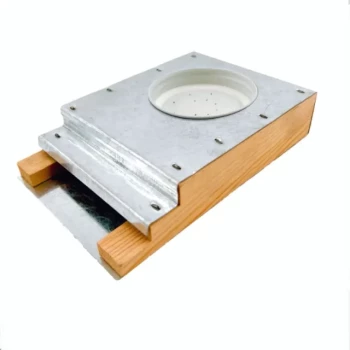
The primary supplemental food sources recommended for maintaining beehive sustenance are sugar syrup, fondant, and candy boards. These specific materials are essential for providing nutrition when natural foraging is unavailable, serving as a critical lifeline to prevent colony starvation.
Supplemental feeding is not just about adding food; it is a strategic intervention to bridge the gap between natural nectar flow and the colony's energy requirements. Using the right form of sugar—liquid or solid—ensures the hive survives periods of scarcity, particularly during the winter.
The Necessity of Supplemental Feeding
Bridging the Forage Gap
Bees normally rely on natural nectar and stored honey for survival. However, environmental conditions often disrupt this supply chain.
When flowers are not blooming or weather conditions prevent flying, the colony consumes its reserves. Supplemental feeding provides the essential carbohydrates required to maintain colony heat and energy levels during these dearths.
Critical Timing for Intervention
The primary reference highlights winter months as the most critical period for supplementation.
However, support may also be needed during spring build-up or summer droughts. Any time natural opportunities are limited, the beekeeper must step in to replace the missing calories.
Recommended Food Sources
Sugar Syrup
Sugar syrup is a liquid feed commonly used to mimic natural nectar.
It is highly effective for delivering calories quickly. This form of feed is generally easily accessible for the bees to store and consume when temperatures allow for liquid processing.
Fondant
Fondant is a soft, dense sugar paste.
Unlike syrup, it has a lower water content. This makes it a preferred option when the beekeeper wishes to provide food without adding excessive moisture to the hive environment.
Candy Boards
Candy boards are hard blocks of sugar often placed directly above the cluster.
These serve as an emergency fuel source. Because they are solid, they are often used as a "set and forget" insurance policy against starvation during long periods of confinement.
Understanding the Trade-offs
Moisture and Temperature Management
While sugar syrup is excellent for mimicking nectar, it introduces significant water into the hive.
In freezing temperatures, excess moisture can condense and kill the colony. Furthermore, liquid syrup can freeze, making it inaccessible.
Accessibility vs. Ease of Consumption
Solid feeds like fondant and candy boards solve the moisture problem.
They are ideal for winter because they can be placed directly in contact with the clustered bees. However, bees require water to process solid sugar, meaning these sources are digested more slowly than liquid syrup.
Making the Right Choice for Your Goal
To ensure your colony survives and thrives, select the supplement that matches the current environmental conditions.
- If your primary focus is mimicking nectar flow: Use sugar syrup to provide easily accessible nutrition when temperatures are mild.
- If your primary focus is winter survival: Switch to fondant or candy boards to provide a dense energy source that minimizes internal hive moisture.
- If your primary focus is emergency backup: Install candy boards to ensure food is available if honey stores run out unexpectedly.
Proactive feeding based on the season is the single most effective way to prevent colony loss due to starvation.
Summary Table:
| Feed Type | Best Use Case | Key Advantage | Moisture Impact |
|---|---|---|---|
| Sugar Syrup | Spring/Autumn build-up | Rapid calorie delivery; mimics nectar | High (can cause condensation) |
| Fondant | Early winter/Late spring | Easy to store; less moisture than syrup | Low (safer for cold weather) |
| Candy Boards | Mid-winter emergency | "Set and forget" insurance policy | Minimal (solid form) |
Secure Your Apiary's Success with HONESTBEE
At HONESTBEE, we understand that commercial success in beekeeping requires more than just knowledge—it requires the right tools. We cater to commercial apiaries and distributors by providing a comprehensive wholesale range designed to scale your operations.
From high-efficiency honey-filling machines to durable hardware and specialized hive-making machinery, we supply the full spectrum of equipment needed to manage large-scale supplemental feeding and honey production. Our portfolio also includes essential consumables and honey-themed cultural merchandise to help you diversify your brand.
Ready to elevate your beekeeping business? Contact HONESTBEE Today to discuss our wholesale offerings and how we can support your growth.
Related Products
- HONESTBEE Professional Entrance Bee Feeder Hive Nutrition Solution
- HONESTBEE Round Hive Top Bee Feeder for Syrup
- In-Hive Dual Compartment Frame Bee Feeder for Targeted Colony Nutrition
- HONESTBEE Entrance Bee Feeder Professional Hive Nutrition Solution for Beekeeping
- White Plastic 0.5L Beekeeping Entrance Feeder for Bees
People Also Ask
- What types of bee feeders are available for beginners? Start with the Simple Entrance Feeder
- What are the advantages and disadvantages of using an entrance feeder for bees? Balance Convenience and Hive Security.
- How does a bee entrance feeder work? A Simple Guide to Convenient Hive Feeding
- What is a bee entrance feeder and what are its drawbacks? Essential Guide to Hive Security and Feeding Efficiency
- How to make an entrance feeder for bees? A DIY Guide for Safe & Effective Feeding