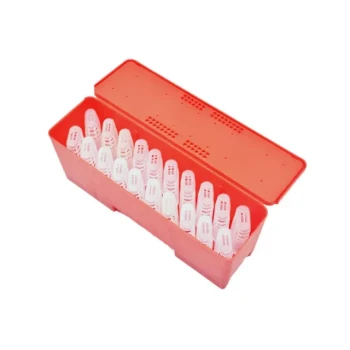
Dedicated transport boxes function as essential environmental control units that stabilize artificial honeybee swarms through engineered ventilation and light-blocking features. These technical specifications are designed to minimize biological stress during transit, ensuring the bees arrive in a cohesive state ready for immediate deployment.
Core Takeaway Establishing an artificial swarm requires transforming a loose mix of bees into a unified colony. Dedicated transport boxes achieve this by utilizing darkness and airflow to force a tight cluster formation overnight, facilitating a seamless transfer to a permanent hive.
Engineering for Biological Stability
Stress Reduction via Light Control
The primary technical advantage of these boxes is their light-blocking capability. By maintaining a dark environment, the box simulates the conditions of a natural cavity or nightfall.
This darkness is critical for keeping the mixed-age worker bees calm. It minimizes flight activity and agitation, thereby reducing stress levels during the disruptive process of relocation.
Thermal Regulation through Ventilation
Confining approximately 1.5kg of bees generates significant metabolic heat. Dedicated boxes are engineered with specific ventilation systems to manage this thermal load.
Proper airflow prevents the cluster from overheating while contained. This ensures the bees remain healthy and energetic enough to function immediately upon release.
Facilitating Colony Cohesion
Inducing Cluster Formation
The physical design of the box encourages the bees to form a tight cluster overnight. This clustering behavior is not merely about space-saving; it is a social mechanism that unifies the swarm.
By the time the box is opened, the bees have transitioned from a chaotic group of individuals into a single, cohesive unit. This physical unification is a prerequisite for successful establishment in a new location.
Accelerating Nest Establishment
The ultimate goal of the transport box is to prepare the swarm for transfer into a new hive equipped with foundations. Because the bees arrive unstressed and clustered, they are primed for immediate nest-building activities.
This rapid transition from transit to construction is vital. It minimizes the downtime between colony creation and the start of comb production.
Operational Considerations and Constraints
Strict Capacity Limits
These boxes are typically optimized for specific quantities, often around 1.5kg of bees. Exceeding this capacity can compromise the ventilation engineering.
Overcrowding the box risks overheating the swarm regardless of the airflow design, potentially leading to bee mortality before the transfer can occur.
Temporal Restrictions
The design is intended strictly for temporary housing. The reference emphasizes an "overnight" duration to facilitate transfer the following day.
These boxes are not suitable for long-term confinement. Extending the time within the box beyond the intended transport window delays nest building and strains the colony's resources.
Maximizing Swarm Success
When integrating dedicated transport boxes into your apiary management, align your usage with your specific objectives:
- If your primary focus is Colony Survival: Prioritize the ventilation and light-blocking features to ensure the bees arrive at the destination with minimal biological stress.
- If your primary focus is Rapid Production: Utilize the overnight clustering period to ensure the swarm hits the new foundations as a unified force ready to build immediately.
The dedicated transport box is not just a shipping container; it is a preparatory tool that physically conditions the swarm for a successful start.
Summary Table:
| Feature | Technical Advantage | Impact on Swarm |
|---|---|---|
| Light Control | Total darkness simulation | Minimizes agitation and reduces biological stress |
| Ventilation | Engineered airflow systems | Prevents metabolic overheating during transit |
| Design Shape | Encourages tight clustering | Transforms loose bees into a unified social unit |
| Capacity Optimization | Standardized 1.5kg volume | Maintains the ideal ratio of bees to air space |
Scale Your Apiary Operations with HONESTBEE
At HONESTBEE, we understand that the success of commercial apiaries and distributors depends on precision and reliability. Whether you are establishing new colonies or expanding your wholesale inventory, our comprehensive range of beekeeping tools, specialized hive-making machinery, and essential industry consumables are designed to maximize your productivity.
From honey-filling machines to durable transport solutions, we provide the full spectrum of equipment needed to streamline your operations and deliver high-quality results to your customers. Partner with an industry leader to elevate your beekeeping business.
Contact HONESTBEE Today to Discuss Your Wholesale Needs
References
- Maja Ivana Smodiš Škerl, Ivana Tlak Gajger. PERFORMANCE AND Nosema spp. SPORE LEVEL IN YOUNG HONEYBEE (Apis mellifera carnica, Pollmann 1879) COLONIES SUPPLEMENTED WITH CANDIES. DOI: 10.26873/svr-1498-2022
This article is also based on technical information from HonestBee Knowledge Base .
Related Products
- Plastic Transporting Bee Packages and Nuc Boxes for Beekeeping
- Automatic Heat Preservation 6 Frame Pro Nuc Box for Honey Bee Queen Mating
- Langstroth Honey Bee Box Hive Boxes for Different Depths
- JZBZ Style Professional Battery Box with 20 Shipping Cages
- Twin Queen Styrofoam Honey Bee Nucs Mating and Breeding Box
People Also Ask
- What role do bee package boxes play in the commercial transport and expansion of honeybee colonies? - Logistic Essentials
- What are beekeeping boxes called? A Guide to Hive Bodies and Box Types
- How do standardized bee packages serve as a recovery mechanism for commercial beekeeping? Ensure Business Continuity
- What is the commercial value of using standardized bee packages? Drive Scalability in Large-Scale Apiaries
- Why is the timely introduction of high-quality bee packages critical? Save Your Apiary from Asian Hornet Invasions