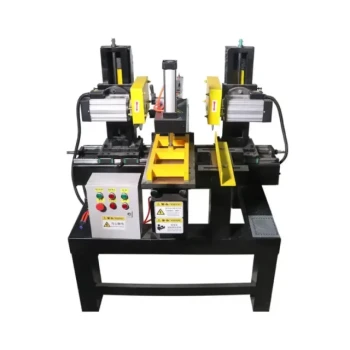
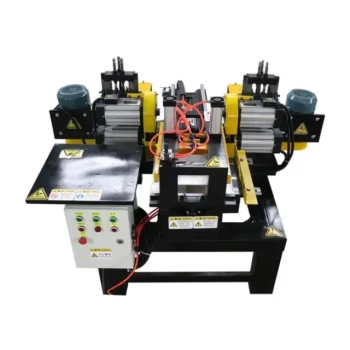
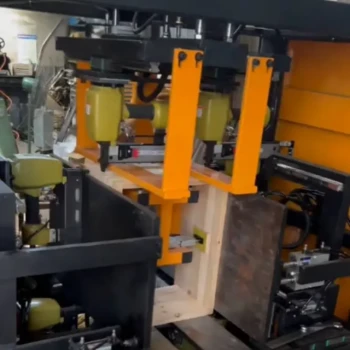
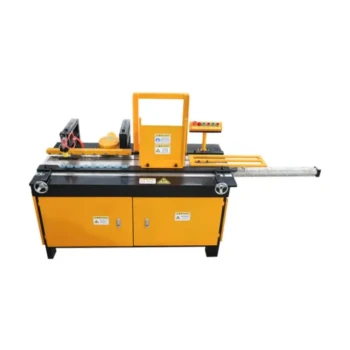
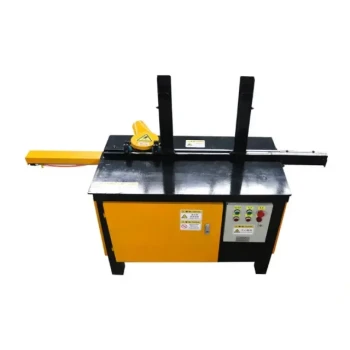
Industrial-grade beehive manufacturing machines deliver technical superiority through high-precision cutting and standardized molding technologies. These systems generate components with exact interchangeability and superior airtightness, eliminating the structural gaps common in manual construction. For large-scale operations, this precision is not merely a convenience; it is the necessary infrastructure to prevent pest intrusion, minimize disease, and meet strict organic certification standards.
The core value of this machinery lies in converting hive construction from a variable craft into a standardized engineering process. This uniformity is the prerequisite for integrating with automated extraction systems, securing organic compliance, and ensuring the physical stability required for migratory beekeeping.
The Impact on Colony Health and Certification
The primary technical advantage of industrial manufacturing is the creation of a "biosecure" physical structure.
Eliminating Structural Vulnerabilities
Manual hive construction often leaves minute gaps between components. Industrial machines utilize high-precision cutting to ensure airtight joinery. This eliminates entry points for pests and reduces the incidence of diseases caused by environmental exposure or intrusion.
Facilitating Organic Compliance
To achieve organic certification, commercial apiaries must prove they can protect colonies from external contaminants and pests without prohibited chemicals. The structural integrity provided by standardized molding technologies creates the physical barrier necessary to meet these rigorous industry standards.
Streamlining Large-Scale Operations
Beyond health, industrial machinery fundamentally changes how an apiary manages its assets and workflows.
Universal Interchangeability
In a million-colony operation, matching specific frames to specific boxes is impossible. Industrial machines ensure uniform dimensions for all components, such as honey frames and supers. This allows for seamless interchangeability across different apiaries, significantly speeding up maintenance and frame rotation.
Integration with Downstream Automation
Modern apiaries rely on automated honey collection and bottling systems. These robots require precise input tolerances to function without jamming. Standardized hive designs ensure immediate compatibility with mechanized extraction machinery, reducing operational losses and increasing overall production chain efficiency.
Logistics, Durability, and Resilience
For operations that move hives across state lines for pollination, the physical demands on hardware are immense.
Structural Stability for Transport
Migratory transport subjects hives to significant vibration and stress. Industrial-grade manufacturing utilizes standardized joinery techniques to create durable hardware capable of withstanding long-distance transport. This prevents structural failure on the road, protecting the colony and extending the equipment's turnover rate.
Enhanced Asset Resilience
Owning manufacturing machinery allows operations to produce hives in-house according to demand. This capability ensures a rapid supply of new hives during recovery phases following environmental collapses or pest outbreaks. It reduces reliance on external logistics and lowers procurement costs, enhancing the operation's self-sufficiency.
Understanding the Trade-offs
While the technical advantages are clear, implementing industrial manufacturing requires navigating specific challenges.
Capital vs. Operational Cost
The initial capital investment for industrial woodworking and molding machinery is substantial. Operations must weigh this upfront cost against long-term savings in labor reduction and equipment longevity.
Maintenance of Precision
The value of these machines lies entirely in their precision. They require a skilled technical workforce to maintain calibration. If the machinery drifts out of tolerance, the primary advantage—standardization—is lost, potentially leading to an entire production run of incompatible components.
Making the Right Choice for Your Goal
To determine the role of this technology in your operation, consider your primary operational objectives.
- If your primary focus is Organic Certification: Prioritize machinery that offers the tightest molding tolerances to guarantee the airtight sealing required for biosecurity and pest exclusion.
- If your primary focus is Migratory Pollination: Focus on equipment that produces high-durability joinery to ensure hive stability during long-distance interstate transport.
- If your primary focus is Automation: Ensure your manufacturing specifications are strictly aligned with your honey extraction and bottling hardware to prevent costly mechanical integration issues.
Ultimately, industrial beehive manufacturing transforms the hive from a simple wooden box into a precision-engineered component that anchors the efficiency of the entire apiary supply chain.
Summary Table:
| Technical Advantage | Key Benefit for Large-Scale Apiaries | Operational Impact |
|---|---|---|
| High-Precision Cutting | Eliminates structural gaps and pest entry points | Improves colony health and biosecurity |
| Standardized Molding | Ensures universal interchangeability of all components | Speeds up maintenance and frame rotation |
| Structural Stability | Durable joinery for migratory beekeeping | Reduces hardware failure during transport |
| System Compatibility | Seamless integration with extraction robots | Minimizes jams in automated honey lines |
| In-house Production | Rapid supply of hives and frames on demand | Enhances self-sufficiency and reduces costs |
Scale Your Commercial Apiary with HONESTBEE Precision Engineering
As a commercial apiary or distributor, your success depends on the reliability and standardization of your equipment. HONESTBEE specializes in empowering large-scale operations with the advanced tools needed to thrive. From high-precision beehive-making machines that ensure organic-grade biosecurity to automated honey-filling and extraction machinery, we provide the full spectrum of industrial beekeeping hardware.
By partnering with us, you gain access to a comprehensive wholesale portfolio including:
- Specialized Machinery: Durable hive-making and honey-processing equipment.
- Quality Hardware: Reliable tools designed for the rigors of migratory beekeeping.
- Essential Consumables: A wide array of industry-standard supplies to keep your operation running smoothly.
Ready to transform your apiary into a precision-engineered powerhouse? Contact us today to discuss our wholesale offerings and how we can support your growth." growth."
References
- Rita de Cássia Matos dos Santos Araújo, Eliane Maria de Souza Nogueira. Agrotóxico na Política Nacional de Agroecologia e Produção Orgânica (Pnapo): interfaces com os territórios indígenas e os polinizadores. DOI: 10.20435/tellus.v23i51.924
This article is also based on technical information from HonestBee Knowledge Base .
Related Products
- High-Efficiency Pneumatic Bee Hive Making Machine for Rapid Box Assembly
- Beehive Machine Double End Saw for Precision Hive Component Manufacturing
- HONESTBEE Top Bar & Bottom Bar Forming Machine | Bee Frame Machine
- Automatic High-Speed Bee Hive Box Stapling Machine
- Mini Desktop Bee Hive Frame Forming Making Machine
People Also Ask
- How does the introduction of professional beehive-making machinery benefit sustainable beekeeping? Scale Your Apiary
- Why is specialized beehive-making machinery critical for low-defense breeding? Enhance Selection with Precision Tools
- How does the introduction of specialized beehive making machinery contribute to increasing the scale of regional beekeeping industries?
- What is the importance of specialized beehive making machinery in a circular bio-economy? Build Local Sustainability
- Why is specialized beehive-making machinery essential? Scale Your Apiary with Precision Industrial Standards