Industrial-grade plastic containers provide superior preservation and logistical capabilities by offering an airtight moisture barrier that porous traditional vessels cannot match. Specifically, they utilize chemically inert materials to block atmospheric moisture and prevent fermentation, while their lightweight, impact-resistant nature resolves the breakage risks inherent to ceramic pots and gourds during transport.
Core Takeaway Honey is naturally hygroscopic, meaning it actively absorbs moisture from its environment, which is the primary cause of fermentation and spoilage. Industrial-grade plastic replaces the vulnerability of porous traditional vessels with a durable, chemically stable seal, ensuring the product remains pure and safe for long-term storage and rugged logistics.
The Critical Battle Against Moisture
Understanding Hygroscopy
Honey is highly hygroscopic, which means it relentlessly attracts and absorbs water from the surrounding air. If the moisture content rises too high, the natural yeasts in honey activate, leading to fermentation and spoilage.
The Failure of Porous Vessels
Traditional vessels, such as earthen pots or gourds, often possess a microporous structure. This inherent permeability allows atmospheric moisture to seep through the container walls, compromising the stability of the honey regardless of how well the lid is secured.
The Industrial Sealing Advantage
Industrial-grade plastic containers are engineered to provide excellent seal integrity. They create a physical barrier that effectively blocks atmospheric moisture, keeping the honey at a stable water content and preventing the fermentation that ruins commercial value.
Chemical Stability and Flavor Preservation
Preventing Contamination
Honey is mildly acidic, a property that can cause reactions with certain container surfaces. Industrial plastics are chemically inert, meaning they will not corrode or degrade when in contact with honey, unlike some metals or reactive organic materials.
Blocking Environmental Odors
In addition to moisture, honey can absorb foreign odors from the environment. High-quality plastic containers provide an airtight shield that prevents the absorption of external smells, ensuring the honey retains its original floral profile.
Avoiding "Off" Flavors
Traditional clay pots can alter the flavor, color, and appearance of honey over time due to their material composition. Food-grade plastic maintains the honey's physicochemical properties, ensuring the flavor profile remains consistent for storage periods exceeding one year.
Logistical Superiority
eliminating Fragility
A major liability of traditional ceramic jars and dried gourds is their fragility. These vessels are prone to shattering during transport, especially when moving through rugged terrain.
Impact Resistance
Industrial plastics are designed to be impact-resistant. They can withstand the physical shocks and vibrations of logistics without cracking, significantly improving the safety and reducing loss rates of the product during shipping.
Weight Efficiency
Ceramic and clay vessels add substantial dead weight to a shipment. Plastic containers are lightweight, reducing overall shipping costs and making manual handling significantly easier for producers and distributors.
Common Pitfalls and Trade-offs
The Crystallization Factor
While plastic containers offer superior sealing, they do not stop the natural process of crystallization. However, unlike microporous earthen pots which can accelerate crystallization due to moisture fluctuation, sealed plastic provides a more controlled environment that slows this process.
Visual Inspection Limitations
One trade-off of using opaque industrial plastic buckets is the inability to visually inspect the honey without opening the seal. While glass allows for instant visual quality checks, it reintroduces the fragility issues that plastic solves.
Making the Right Choice for Your Goal
To select the correct storage solution, weigh your logistical needs against your presentation requirements.
- If your primary focus is transport safety: Choose industrial-grade plastic buckets to maximize impact resistance and minimize weight during shipping.
- If your primary focus is long-term stability: Rely on food-grade plastic with high-integrity seals to prevent moisture absorption and fermentation over periods exceeding a year.
- If your primary focus is preventing flavor alteration: Avoid traditional porous clay pots in favor of chemically inert plastic that will not leach minerals or absorb odors.
By shifting from traditional organic vessels to industrial-grade plastic, you effectively trade the risks of spoilage and breakage for the certainty of chemical stability and physical durability.
Summary Table:
| Feature | Traditional Vessels (Ceramic/Gourd) | Industrial-Grade Plastic |
|---|---|---|
| Moisture Barrier | Porous; allows moisture seepage | Non-porous; airtight seal |
| Durability | Fragile; prone to shattering | Impact-resistant; highly durable |
| Chemical Stability | May react with acidic honey | Chemically inert; food-grade |
| Weight | Heavy; adds to shipping costs | Lightweight; cost-efficient |
| Flavor Preservation | Risk of mineral leaching or odors | Blocks external odors; maintains profile |
| Fermentation Risk | High (due to hygroscopy) | Low (controlled environment) |
Scale Your Honey Business with HONESTBEE
Transitioning from traditional methods to industrial efficiency requires the right tools. At HONESTBEE, we cater specifically to commercial apiaries and distributors, providing a comprehensive wholesale offering designed to protect your harvest and improve your bottom line.
Our portfolio includes everything from high-integrity storage containers and honey-filling machines to specialized hive-making hardware and cultural merchandise. Whether you are looking to minimize transport loss or ensure long-term chemical stability for your product, we deliver the professional-grade equipment you need.
Ready to upgrade your logistics and preservation? Contact us today to explore our full spectrum of beekeeping machinery and consumables!
References
- Awraris Getachew Shenkute, Workneh Abebe. Honey production systems (Apis mellifera L.) in Kaffa, Sheka and Bench-Maji zones of Ethiopia. DOI: 10.5897/jaerd12.088
This article is also based on technical information from HonestBee Knowledge Base .
Related Products
- Food Grade Plastic Honey Bucket Pail for Beekeeping
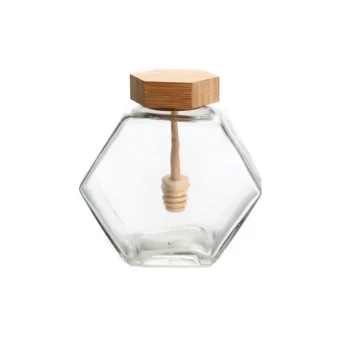
- Hexagonal Glass Honey Jar with Wooden Lid Integrated Dipper Elegant Functional Storage
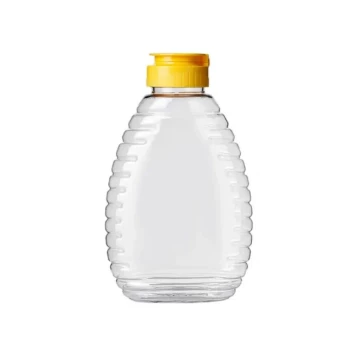
- Squeezable No-Drip Beehive-Shaped Honey Jars with Flip-Top Cap
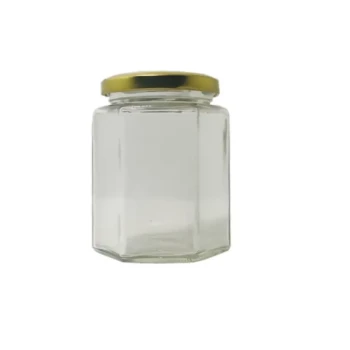
- Hexagonal Glass Honey Jars with Metal Lug Caps Elegant Versatile Packaging
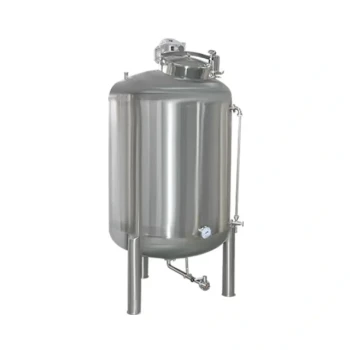
- Stainless Steel Honey Storage Tank with Lid for Honey
People Also Ask
- What key operational precautions should be taken when using honey buckets and extractors fitted with bottom drain taps?
- What functions do food-grade honey buckets perform? Safeguard Your Harvest and Optimize Apiary Logistics
- Why are food-grade plastic buckets preferred for honey? Protect Quality with Modern Honey Collection Tools
- What is the significance of food-grade plastic honey collection buckets? Boost Quality in Forest Honey Logistics
- What is a honey pail? The Essential Container for Protecting Your Honey's Value