The primary technical disadvantages of using traditional earthen pots for honey storage stem from their inherent microporous structure and unfavorable thermodynamic properties. These material characteristics create an unstable environment that accelerates spoilage through fermentation and crystallization, rendering them unsuitable for long-term preservation.
While traditional earthen vessels may offer an aesthetic appeal, their physical properties compromise the chemical stability of honey. This leads to rapid degradation in quality, distinct changes in flavor, and a significant reduction in the commercial value of the final product.
The Physical Mechanics of Spoilage
The Microporous Problem
Traditional earthen pots are defined by a microporous structure. Unlike glass or food-grade plastic, these vessels are not hermetically sealed barriers.
This porosity allows for the exchange of air and moisture between the external environment and the honey. Since honey is hygroscopic, this exposure inevitably leads to fermentation.
Thermodynamic Instability
The specific thermodynamic properties of earthen pots fail to insulate the honey effectively from environmental changes.
This thermal instability triggers rapid crystallization. While crystallization is natural, earthen pots accelerate the process significantly, leading to an inconsistent texture much earlier than standard storage methods.
Degradation of Quality and Flavor
Altered Sensory Profile
Honey stored in earthen pots does not maintain its original sensory characteristics. The interaction between the vessel and the contents often results in a noticeable alteration of the flavor profile.
This means the nuanced floral or herbal notes specific to a harvest can be lost or masked by the vessel's influence.
Visual Impairment
Visual appeal is a critical component of honey quality. Storage in earthen pots negatively impacts the appearance and color of the honey.
Consumers typically associate clarity and specific color grades with quality. By altering these visual cues, the pots degrade the perceived value of the product.
Understanding the Trade-offs
While the primary reference highlights the unsuitability of these pots, it is important to understand the tension between tradition and technical performance.
Commercial Value vs. Traditional Appeal
Producers often consider earthenware to evoke a sense of tradition or authenticity. However, the technical reality is a direct loss of commercial value.
The trade-off for using "rustic" packaging is a high risk of product failure. The rapid onset of fermentation and flavor changes turns a premium product into unsalable inventory.
Making the Right Choice for Your Goal
If you are deciding on packaging or storage materials, consider these technical realities:
- If your primary focus is Commercial Viability: Avoid earthen pots entirely to prevent fermentation and preserve the honey's market value.
- If your primary focus is Flavor Preservation: Choose inert materials like glass to ensure the honey's color and taste profile remain unaltered.
- If your primary focus is Long-Term Storage: Rely on non-porous containers to control crystallization rates and prevent moisture ingress.
Select a storage medium that protects the chemical integrity of your honey, rather than one that compromises it for aesthetic reasons.
Summary Table:
| Technical Factor | Impact of Earthen Pots | Consequences for Honey |
|---|---|---|
| Material Structure | Microporous & non-hermetic | Moisture absorption and rapid fermentation |
| Thermodynamics | Poor thermal insulation | Accelerated crystallization and texture changes |
| Chemical Stability | Reactive/Inert interaction | Loss of floral notes and altered sensory profile |
| Visual Quality | Exposure to environmental factors | Darkening of color and loss of clarity |
| Commercial Value | Low shelf-stability | Reduced marketability and unsalable inventory |
Secure Your Harvest with Professional Grade Equipment
Don't let traditional storage methods compromise your commercial success. HONESTBEE empowers commercial apiaries and distributors with high-performance solutions designed to preserve the integrity of your honey.
From specialized honey-filling machines that ensure hermetic seals to durable hardware and consumables, we provide the full spectrum of beekeeping tools needed to maximize your market value. Whether you are scaling a professional apiary or managing a distribution network, our wholesale portfolio offers the reliability your business demands.
Ready to upgrade your production and storage efficiency?
Contact HONESTBEE Today for a Comprehensive Consultation
References
- Tadesse Haftu Gezu. Survey on honey production system, challenges and Opportunities in selected areas of Hadya Zone, Ethiopia. DOI: 10.5897/jabsd2014.0232
This article is also based on technical information from HonestBee Knowledge Base .
Related Products
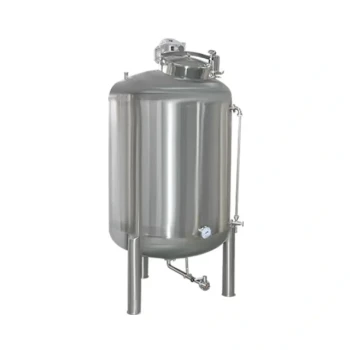
- Professional Honey Storage Tank with Agitation System
- Stainless Steel Honey Storage and Settling Tank with Double Strainer
- Stainless Steel Honey Storage Tank with Lid for Honey
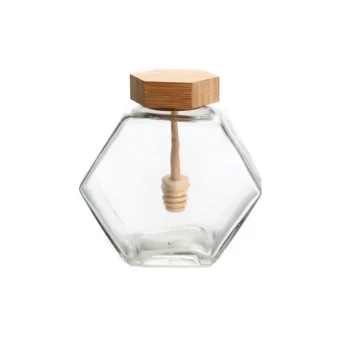
- Hexagonal Glass Honey Jar with Wooden Lid Integrated Dipper Elegant Functional Storage
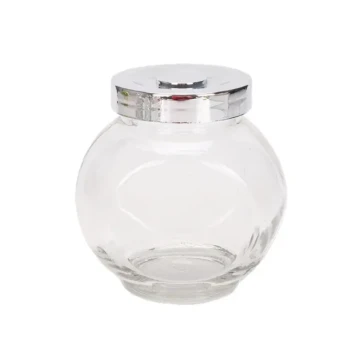
- Classic Drum Shaped Glass Honey Jar with Airtight Lid
People Also Ask
- What economic role do honey storage tanks play? Boost Your Revenue Through Strategic Inventory Management
- What roles do industrial honey storage tanks and filtration meshes play in processing? Ensure Purity & Consistency
- What is the purpose of a honey storage tank? Streamline Your Honey Processing for Quality & Efficiency
- What are honey storage tanks used for? Essential Features for Quality Preservation and Profit
- How do large honey storage tanks and gravity fall filling systems improve honey packaging efficiency and safety?