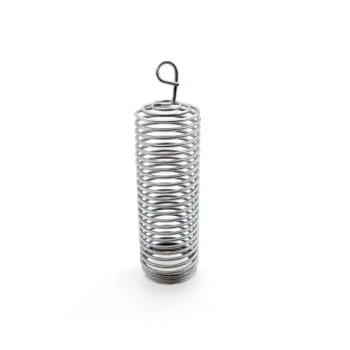
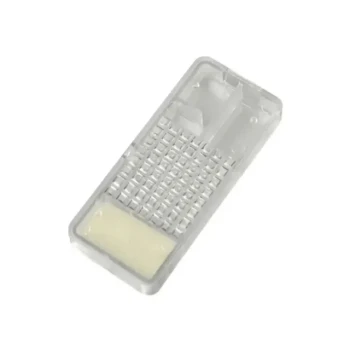
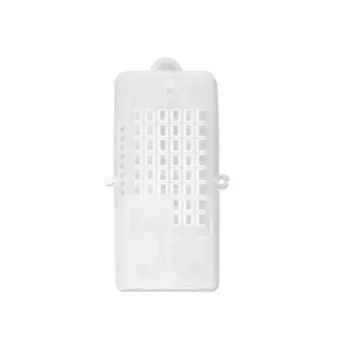
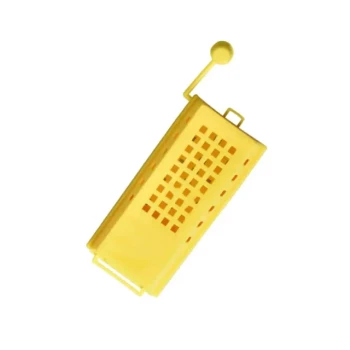
Candy paste serves two distinct technical roles within queen cages and introduction pipes: it acts as a caloric life-support system and a delayed-release timing mechanism. By blocking the exit with this solid sugar-honey medium, apiarists ensure the queen remains fed while forcing a gradual, safe interaction with the colony.
Success in queen introduction relies on acclimation, not speed. Candy paste automates this process by creating a "biological timer," ensuring the colony has sufficient time to accept the new queen's pheromones before physical contact occurs.
The Primary Mechanism: Delayed Release
The most critical technical function of candy paste is to act as an automatic, timed barrier between the new queen and the established colony.
Automating the Release Path
The paste physically blocks the exit of the cage or introduction pipe.
Instead of a manual release, the mechanism relies on the biological behavior of worker bees.
Workers must lick and consume the candy from the outside to clear the path, a process that takes hours or days depending on the volume and consistency of the paste.
Facilitating Pheromone Acclimation
The consumption period is not just a delay; it is an integration phase.
During the time it takes to eat through the barrier, the colony is exposed to the physiological signals of the new queen.
This gradual exposure prevents the immediate aggression that often occurs with sudden introductions, significantly increasing the acceptance success rate.
The Secondary Mechanism: Nutritional Support
While the release mechanism is active, the queen remains confined and unable to forage or be fed by the colony's nurse bees immediately.
Immediate Energy Source
Candy paste is formulated from sugar and honey to serve as a high-density energy source.
It provides the necessary calories to sustain the queen's metabolism during the high-stress period of confinement.
Reducing Introduction Stress
A hungry queen is a stressed queen, which can negatively impact her pheromone production and survival.
By having a direct food source, the queen maintains her vitality independent of the colony's initial willingness to feed her.
Understanding the Trade-offs
While candy paste is the industry standard for safe introduction, it relies on environmental and biological variables that can fluctuate.
Variable Release Timing
The "timer" is not absolute. High temperatures may soften the paste, leading to a release that is too rapid for proper acclimation.
Conversely, if the paste becomes too hard or dry, workers may abandon the effort, leaving the queen trapped and dependent on the colony to feed her through the mesh.
Consumption Consistency
The mechanism assumes the colony is strong enough and motivated to consume the sugar.
Weak colonies or those under heavy stress may ignore the candy, requiring manual intervention by the beekeeper to finish the release.
Making the Right Choice for Your Goal
Using candy paste is about balancing the queen's immediate survival with long-term colony acceptance.
- If your primary focus is maximum acceptance rates: Ensure the candy plug is substantial enough to delay release for several days, allowing full pheromone integration.
- If your primary focus is queen vitality: Verify the paste formulation includes honey for palatability and remains soft enough for the queen to consume easily from the inside if necessary.
The candy paste is not just a barrier; it is the bridge that turns a stranger into the colony's new monarch.
Summary Table:
| Technical Role | Primary Function | Operational Benefit |
|---|---|---|
| Delayed Release | Creates a physical barrier | Automates acclimation and ensures pheromone acceptance |
| Nutritional Support | High-density energy source | Sustains queen vitality and reduces stress during confinement |
| Biological Timer | Worker bee consumption | Prevents immediate aggression through gradual exposure |
| Stress Mitigation | Independent food source | Maintains queen health regardless of initial colony reaction |
Maximize Your Colony Success with HONESTBEE
Successful queen introduction is the backbone of a productive apiary. At HONESTBEE, we understand the technical nuances of beekeeping, from biological timers like candy paste to the high-quality machinery that keeps your operation running.
We provide a comprehensive wholesale range of specialized beekeeping tools, hive-making machinery, and essential consumables tailored for commercial apiaries and distributors. Whether you are scaling your honey production or supplying local beekeepers, our expert-grade equipment ensures your success.
Ready to elevate your apiary's efficiency? Contact us today to explore our full spectrum of wholesale beekeeping solutions and hardware.
References
- Ricardo Gonçalves Santos, Lionel Segui Gonçalves. Comparative study of the performance of africanized bees managed in thermal stress and thermal comfort in a semiarid region. DOI: 10.21708/avb.2023.17.4.12083
This article is also based on technical information from HonestBee Knowledge Base .
Related Products
- Durable Galvanized Steel Spring Queen Bee Cage
- Professional Queen Bee Introduction and Transport Cage
- Professional Multi-Functional Queen Bee Cage
- Professional Queen Catcher and Introduction Queen Cage
- Durable Plastic Push In Queen Bee Cage
People Also Ask
- Why are specialized queen bee cages used for the banking of mated queen bees? Maximize Commercial Apiary Storage Efficiency
- What is the mechanism of action for using temporary queen bee cages? Master Successful Queen Introduction
- What is the step-by-step process for installing a queen bee's cage onto a frame? Ensure Hive Acceptance Safely
- What is the optimal placement for a queen bee cage? Essential Strategies for Successful Re-queening
- What are the advantages and disadvantages of introducing a queen bee by embedding the cage? Boost Your Queen Acceptance