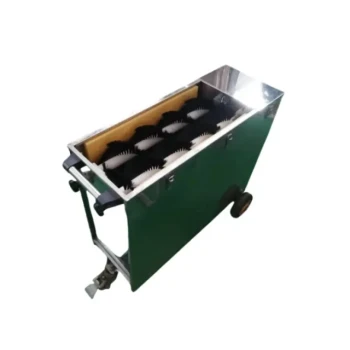
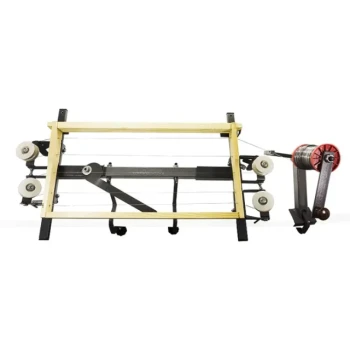
Specialized bee management represents the critical shift from opportunistic foraging to precision agriculture. It enables the high-purity collection of sensitive secondary products—such as royal jelly, venom, and propolis—while significantly increasing economic value compared to the erratic nature of wild harvesting.
Core Takeaway Transitioning from wild harvesting to managed beekeeping transforms apiary outputs from inconsistent raw materials into standardized, high-value commodities. Specialized tools maintain the biological activity of sensitive products like bee venom and royal jelly, while standardized housing ensures sustainable yields without destroying the colony's habitat.
Elevating Product Quality and Purity
Precision Extraction of Sensitive Materials
Wild harvesting often results in contamination or degradation of sensitive by-products. Specialized collection tools are essential for extracting high-value materials like royal jelly, bee venom, and pollen. These tools isolate the product immediately, preserving its purity.
Maintaining Biological Activity
For industries such as pharmaceuticals and cosmetics, the chemical integrity of the raw material is non-negotiable. Specialized separation equipment allows for harvesting without compromising the biological activity of the ingredients. This level of quality control is virtually impossible to achieve through wild collection methods.
Standardization for Commercial Markets
To service high-end markets, consistency is key. Managed techniques ensure that products like beeswax and propolis meet rigorous standards. This reliability allows commercial apiaries to diversify their income streams beyond simple honey production.
Sustainability and Colony Health
Eliminating Destructive Harvesting
Wild harvesting is often destructive; for example, collectors may fell trees to access stingless bee colonies. Breeding crates and artificial hives provide a standardized environment that eliminates this damage. This allows for a transition to semi-managed beekeeping that protects the ecosystem.
Minimizing Colony Stress
The primary goal of modern management is to harvest without harming the source. Specialized tools are designed to extract resources while minimizing stress on the bees. This ensures the colony remains strong and productive for future cycles, unlike wild harvesting which can leave a colony vulnerable or decimated.
Disease Resistance and Genetic Selection
Wild populations lack genetic selection and often suffer from lower yields. Professional management utilizes standardized queen rearing and artificial swarming to create hybrid lines. These managed colonies exhibit significantly higher disease resistance and production potential than their wild counterparts.
Operational Efficiency and Safety
Reducing Physical Barriers to Entry
High-performance protective gear, such as lightweight suits and improved smokers, creates a safer working environment. This equipment reduces the risk of injury during labor-intensive tasks like bee bread collection.
Improving Labor Efficiency
By lowering the physical toll on the operator, specialized equipment increases overall production efficiency. It allows for a broader demographic to participate in the industry, increasing social participation and labor availability for the apiary.
Understanding the Trade-offs
Higher Initial Capital Investment
Unlike wild harvesting, which requires minimal gear, managed beekeeping demands significant upfront capital. Investing in breeding crates, extraction machinery, and protective gear can be a barrier for small-scale operations.
Increased Technical Knowledge Requirement
Specialized management is not passive. It requires a deep understanding of queen rearing, disease monitoring, and equipment maintenance. Operators must possess technical skills that go far beyond the intuition required for wild collection.
Dependence on Equipment Maintenance
Reliance on specialized tools introduces a new point of failure. If separation equipment or artificial hives break down, production halts. This necessitates a supply chain for parts and maintenance that wild harvesting does not require.
Optimizing Your Harvesting Strategy
To determine the right approach for your operation, consider your specific end-goals.
- If your primary focus is Pharmaceutical Grade Products: Invest heavily in precision extraction tools to preserve the biological activity of venom and royal jelly.
- If your primary focus is Volume and Consistency: Prioritize genetic selection and standardized breeding crates to ensure predictable, high-yield outputs.
- If your primary focus is Sustainability: Adopt semi-managed breeding crates to stop destructive wild harvesting and protect local hive structures.
Ultimately, specialized management turns beekeeping into a scalable, high-yield science rather than a game of chance.
Summary Table:
| Feature | Wild Harvesting | Specialized Management |
|---|---|---|
| Product Purity | Low (contaminants common) | High (precision extraction) |
| Sustainability | Destructive to habitats | Protective and regenerative |
| Output Consistency | Erratic and seasonal | Standardized and predictable |
| Labor Safety | High risk / physical toll | Enhanced via protective gear |
| Key Products | Raw honey, wild wax | Venom, Royal Jelly, Propolis |
Scale Your Apiary with HONESTBEE Precision Equipment
Transitioning from traditional methods to professional-grade management requires the right infrastructure. HONESTBEE empowers commercial apiaries and international distributors with the high-performance tools needed to secure pharmaceutical-grade by-products and maximize operational efficiency.
Our value to your business:
- Comprehensive Inventory: From specialized hive-making and honey-filling machinery to precision extraction tools for venom and royal jelly.
- Wholesale Excellence: We provide full-spectrum equipment and essential industry consumables tailored for large-scale operations.
- Market Diversification: Beyond hardware, we offer honey-themed cultural merchandise to expand your brand's reach.
Ready to elevate your production standards?
Contact HONESTBEE Today to explore our wholesale solutions and expert equipment support.
References
- L. F. Wolff, João Carlos Costa Gomes. Beekeeping and Agroecological Systems for Endogenous Sustainable Development. DOI: 10.1080/21683565.2014.991056
This article is also based on technical information from HonestBee Knowledge Base .
Related Products
- Ergonomic Plastic Frame Spacer Tool for Rapid Hive Management Beekeeping
- HONESTBEE 15-in-1 Beekeeper Multi-Tool with Hammer and Pliers for Beekeeping
- Plastic Beekeeping Honey Bee Larvae Grafting Tools for Queen Rearing and Chinese Grafting
- HONESTBEE Professional Mini J-Hook Hive Tool for Beekeeping
- Stainless Steel Queen Grafting Tool for Beekeeping and Bee Queen Grafting
People Also Ask
- What specific challenges do beekeeping hive tools address during hive maintenance? Essential Solutions for Apiaries
- How do specialized beehive management tools assist in the routine maintenance of bee colonies? Boost Hive Efficiency
- How do specialized beehive management tools support high-purity honey production? Master Monofloral Isolation
- How do spring inspections for honeybee starvation symptoms guide apiary management? Optimize Colony Survival & Growth
- What additional equipment might be useful for beekeeping? Boost Hive Health & Efficiency