Protecting honey bee colonies from aerial threats requires a targeted combination of physical barriers and sensory deterrents. For predatory insects like wasps, beekeepers utilize wooden flappers for manual elimination and precision entrance restrictors to physically block access. To repel birds, the primary tools are auditory and visual deterrents, such as bells and scarecrows, which create sensory interference around the apiary.
A successful defense strategy distinguishes between the physical exclusion needed for insects and the sensory disruption required for birds.
Countering Wasp and Hornet Infestations
Wasps and hornets pose a direct threat by killing bees at the entrance or plundering the hive's interior. Defending against these insects requires tools that facilitate physical removal or exclusion.
Manual Removal Tools
To reduce predatory pressure immediately, beekeepers use wooden flappers.
This tool is employed primarily during peak infestation periods to physically strike and kill wasps.
By manually removing these predators, the beekeeper directly lowers the threat level at the hive entrance, allowing the colony to continue foraging with less harassment.
Structural Exclusion Devices
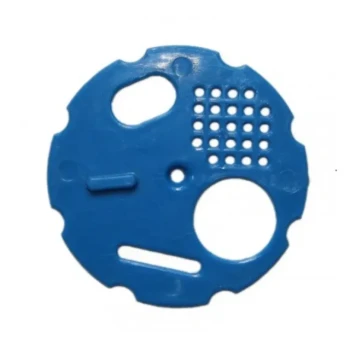
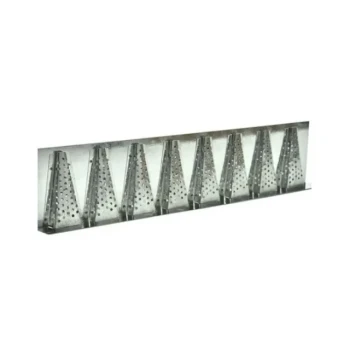
For passive defense, precision hive entrance restrictors are essential.
These devices function by narrowing the entrance paths to a size that allows honey bees to pass but physically isolates the hive from larger intruders.
This mechanism effectively blocks large-bodied hornets from entering the hive interior, preventing them from destroying larval combs or stealing honey.
Enhancing Colony Defense
Beyond simple blocking, entrance restrictors change the tactical landscape for the colony.
The narrowed opening allows guard bees to concentrate their defensive efforts at a single "choke point."
This significantly improves the colony's ability to repel intruders that attempt to breach the perimeter.
Deterring Avian Predators
Birds, such as bee-eaters, attack differently than insects, often swooping on hives in mass attacks. Protection here relies on psychological and sensory warfare rather than physical barriers.
Visual Deterrents
To prevent birds from approaching the apiary, beekeepers employ visual tools like scarecrows.
These devices utilize visual interference to unsettle the birds and disrupt their hunting patterns.
The goal is to signal danger or human presence, encouraging the flock to avoid the area entirely.
Auditory Deterrents
Visual aids are often paired with auditory tools, such as bells.
These devices create sensory interference through noise, which can startle birds and prevent them from settling near the hives.
This is particularly useful during periods of high bird activity to prevent mass attacks that could devastate a colony's population.
Understanding the Limitations
While these tools are effective, they are not without trade-offs. It is important to understand the operational requirements of each method.
Labor Intensity
Using wooden flappers is a highly active, labor-intensive method.
It requires the beekeeper to be physically present at the hive during peak predator hours.
Consequently, this method cannot be automated and is difficult to scale across large commercial apiaries without significant manpower.
Habituation Risks
Sensory deterrents like scarecrows and bells rely on the element of surprise.
Over time, intelligent bird species may realize these threats are not real and habituate to them.
To maintain effectiveness, beekeepers often need to move or rotate these devices regularly.
Making the Right Choice for Your Goal
Selecting the right equipment depends heavily on the specific predator threatening your apiary.
- If your primary focus is preventing hive robbery by hornets: Prioritize precision entrance restrictors to physically block large insects and empower your guard bees.
- If your primary focus is stopping mass attacks by birds: Implement a mix of auditory and visual deterrents like bells and scarecrows to disrupt the flock's sensory environment.
By matching the tool to the specific behavior of the predator, you ensure the safety and productivity of your colonies.
Summary Table:
| Tool/Device | Target Predator | Defense Mechanism | Key Benefit |
|---|---|---|---|
| Entrance Restrictors | Wasps & Hornets | Physical Exclusion | Creates a defensive choke point; prevents entry. |
| Wooden Flappers | Predatory Insects | Manual Removal | Immediate reduction of predator pressure. |
| Visual Deterrents | Avian Predators | Psychological Warning | Disrupts bird hunting patterns via scarecrows. |
| Auditory Deterrents | Avian Predators | Sensory Interference | Startles birds and prevents mass swooping attacks. |
| Bells/Noise Makers | Birds | Sensory Disruption | Enhances the effectiveness of visual deterrents. |
Maximize Your Apiary’s Security with HONESTBEE
Protecting your commercial honey production from aggressive predators requires professional-grade equipment and specialized hardware. HONESTBEE is dedicated to supporting commercial apiaries and distributors by providing a comprehensive wholesale range of beekeeping tools, from precision hive-making machinery to advanced colony protection supplies.
Whether you need robust hardware to reinforce your hives or essential industry consumables to maintain a healthy colony, our portfolio covers every stage of the beekeeping lifecycle. Partner with us to scale your operations with reliable, high-performance equipment.
Ready to upgrade your apiary’s defenses? Contact us today to discuss our wholesale offerings and how we can support your business growth!
References
- Suroj Pokhrel. The Ecological Problems and Possible Solutions of Beekeeping in Hills and Terai of Chitwan, Nepal. DOI: 10.3126/aej.v9i0.2113
This article is also based on technical information from HonestBee Knowledge Base .
Related Products
- Steel Round Disc Entrance Reducer for Flexzion Bee Hive Nuc Box Gate
- Beehive Entrance Reducer Guardian Metal Hive Entrance for Bees
- Beehive Entrance Discs Plastic Bee Entrance Disc for Bee Hives
- Professional Hive Front Entrance Bee Feeder
- Multi-Functional Rotary Hive Entrance Disc for Beekeeping
People Also Ask
- What is the purpose of an entrance reducer for a beehive? Strengthen Colony Defense and Prevent Robbery
- Why are entrance reducers used to counter hornet infestations? Protect Your Hive with Strategic Choke Points
- Why is it critical to maintain a smaller entrance for a newly established bee hive? Boost Colony Growth and Security
- What is the function of an entrance reducer on a beehive? Strengthen Colony Defense and Climate Control
- Under what conditions should a beekeeper adjust the size of a beehive entrance? Seasonal & Defense Management Tips