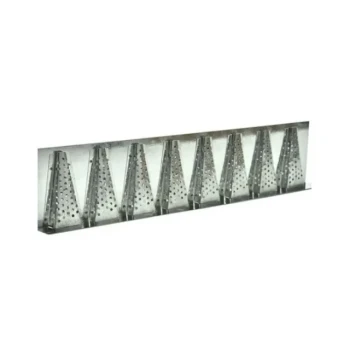
Protecting a bee hive from winter predators requires specific physical barriers. The most effective tools for this purpose are mouse guards and entrance reducers, which physically restrict access points to prevent mice, wasps, and predatory bees from infiltrating the colony. Furthermore, arranging the hive so that honey stores are located in boxes above ground level provides a crucial buffer against ground-based threats.
Effective winter defense relies on physical exclusion. By installing hardware that narrows the hive entrance, you block larger intruders while maintaining necessary airflow, ensuring the colony remains secure without compromising its internal environment.
Physical Defense Strategies
Installing Entrance Hardware
To secure the hive, you must limit the size of the opening. Mouse guards are metal or plastic strips with holes large enough for bees but too small for rodents.
Entrance reducers are wood or plastic blocks that fit into the hive opening. They shrink the entrance to a manageable size, making it easier for the colony to defend against robbing wasps or other bees.
Strategic Hive Configuration
Beyond external hardware, the internal arrangement of the hive plays a defensive role. You should ensure that honey stores are positioned in boxes well above ground level.
This elevation puts the food supply out of immediate reach for many ground-based predators. It adds a vertical distance barrier that complicates access for pests foraging near the soil.
Non-Invasive Monitoring Techniques
While physical tools keep predators out, you must verify the colony's safety without becoming a threat yourself. Opening a hive in winter causes thermal shock, breaking the propolis seal and releasing heat.
Thermal and Audio Tools
Instead of cracking the hive, use stethoscopes to listen for the hum of the cluster. This confirms the bees are alive and indicates their location within the hive.
FLIR thermal imaging cameras offer a visual assessment of heat loss and cluster positioning. These tools allow you to "see" inside the box to verify the colony is active and secure without exposing them to the cold.
Remote Sensor Data
For continuous oversight, beekeepers can utilize electronic sensors. These devices track weight, temperature, and humidity, transmitting the data directly to a smartphone.
A sudden drop in weight could indicate honey consumption or theft, while temperature shifts confirm the cluster is generating heat.
Common Pitfalls to Avoid
Breaking the Thermal Seal
The most significant mistake is opening the hive to check for predators or honey levels. Breaking the seal allows precious heat to escape and can freeze the cluster.
Always rely on external observations or the non-invasive tools mentioned above.
Over-Restricting Ventilation
When installing mouse guards or reducers, ensure you do not completely block airflow. Bees need ventilation to manage moisture, even in winter.
Select guards that provide security but still possess adequate openings for oxygen exchange.
Making the Right Choice for Your Hive
- If your primary focus is physical security: Install mouse guards and entrance reducers immediately to block rodents and robbing insects.
- If your primary focus is minimizing disturbance: Utilize FLIR cameras or stethoscopes to check the cluster's status without opening the hive.
- If your primary focus is resource management: Ensure honey stores are elevated in upper boxes and monitor consumption via weight sensors.
Winter survival is a balance of rigorous physical defense and non-invasive vigilance.
Summary Table:
| Tool/Strategy | Purpose | Primary Benefit |
|---|---|---|
| Mouse Guards | Physical Barrier | Prevents rodents from nesting inside while allowing bee passage. |
| Entrance Reducers | Access Limitation | Limits entry for wasps and robbing bees; improves hive defense. |
| Elevated Honey Stores | Strategic Layout | Places food resources out of reach for ground-based predators. |
| Thermal/Audio Tools | Non-Invasive Monitoring | Checks colony health via stethoscopes or FLIR without heat loss. |
| Electronic Sensors | Real-Time Data | Tracks hive weight and temperature to detect theft or starvation. |
Partner with HONESTBEE for Professional-Grade Winter Protection
At HONESTBEE, we understand that commercial apiaries and distributors require robust, reliable solutions to safeguard their investments through the harsh winter months. We provide a comprehensive wholesale range of specialized beekeeping tools, machinery, and equipment—from durable hive-making and honey-filling machines to high-quality hardware designed for predator exclusion.
Whether you are looking to source high-volume industry consumables or specialized hive components, our portfolio is built to enhance your operational efficiency and colony survival rates. Contact us today to discuss your wholesale needs and discover how our expertise can add value to your beekeeping business.
Related Products
- 8-Cone Galvanized Steel Bee Robber Guard
- Beehive Entrance Reducer Guardian Metal Hive Entrance for Bees
People Also Ask
- What protective functions do beehive entrance guards provide? Defend Your Hive Against Wasps and Moths
- What is the primary function of protective guards at hive entrances? Block Rodents & Boost Winter Survival Rates
- How do conical metal guards or rubber inner tubes function as pest control tools? Stop Ants with Mechanical Barriers
- What is the function of Hive Entrance Guards? Master Bee Colony Defense Against Small Hive Beetles
- How can hardware mesh be applied to a beehive entrance for winter protection? Secure Your Colony Against Pests