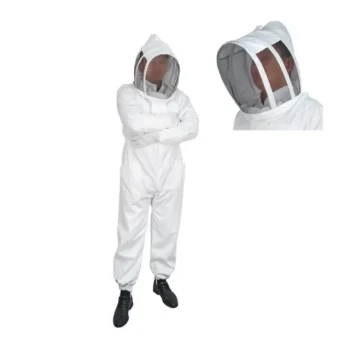
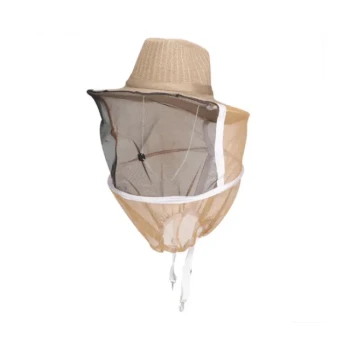
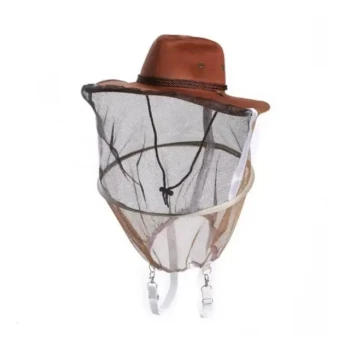
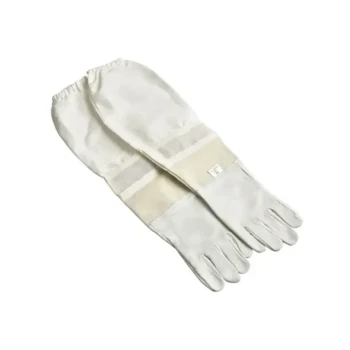
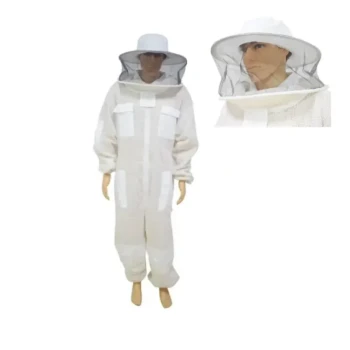
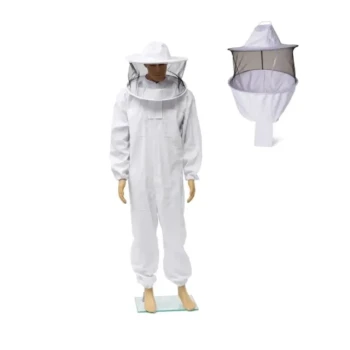
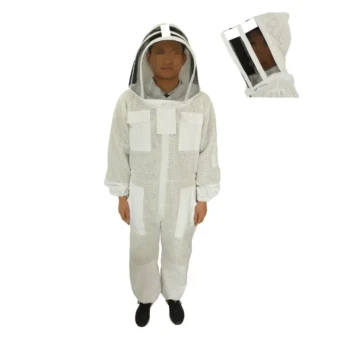
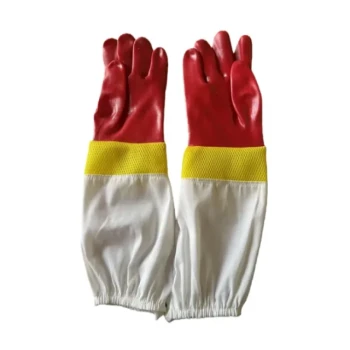
For beginner beekeepers, the most highly recommended protection is a full, ventilated bee suit worn with a veil and gloves. While experienced keepers may wear less gear, a novice should utilize a complete protective barrier to minimize the risk of stings across the entire body. Investing in a ventilated suit specifically addresses the common challenge of overheating while ensuring safety.
Core Insight: The primary goal for a beginner is to build confidence without the distraction of fear. A full, ventilated protective system acts as a comprehensive physical barrier, allowing you to focus entirely on learning bee behavior and handling techniques rather than worrying about getting stung.
Building a Defensive Barrier
The Case for the Ventilated Suit
According to expert consensus, a full, ventilated bee suit is the superior choice for beginners compared to a simple veil or standard jacket. While non-ventilated suits are more budget-friendly, they trap body heat, which can become dangerous during mid-summer inspections.
A ventilated suit features a breathable design with specialized mesh. These holes are small enough to prevent bees from stinging through to your skin but large enough to allow significant airflow. This investment in comfort is critical, as it allows you to work slowly and carefully without rushing due to heat exhaustion.
Protecting the Extremities
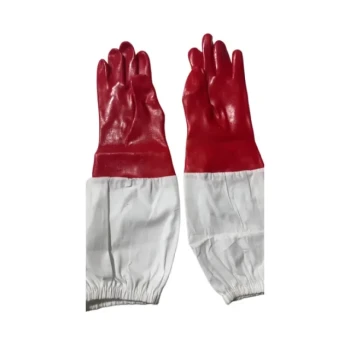
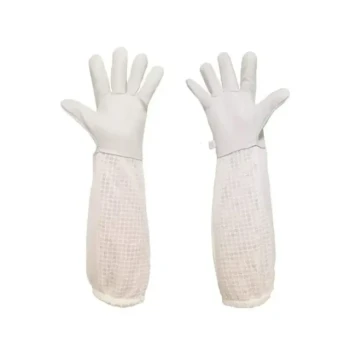
Novices should cover all exposed skin, specifically the hands and wrists. Canvas or leather gloves are recommended for those with a fear of stings, as they provide a thick barrier against venom.
As you gain proficiency, you may transition to form-fitting options, such as nitrile or household gloves. These offer less impact protection but prevent hands from becoming sticky with honey and propolis while improving tactile sensitivity.
Essential Head and Foot Gear
Regardless of experience level, a veil is mandatory to shield the face and neck, which are the most vulnerable areas. This is often integrated into the suit or worn with a hat or helmet.
To complete the seal, beekeepers should wear boots with boot bands or robust ankle protection. This prevents bees from crawling up the pant legs, a common and unsettling occurrence for beginners using standard clothing.
Understanding the Trade-offs
Dexterity vs. Protection
There is an inverse relationship between safety and tactile feedback. Thick leather gloves offer the highest protection against stings, which is vital for reducing beginner anxiety.
However, this bulk reduces dexterity, making it harder to handle frames gently or feel if you are accidentally crushing a bee. Crushing bees releases alarm pheromones, which can agitate the hive, creating a cycle that is difficult for a novice to manage.
Cost vs. Comfort
The primary trade-off in clothing selection is financial. A non-ventilated cotton suit is significantly cheaper and offers adequate sting protection.
The downside is a substantial loss of comfort. Beekeeping is often performed in direct sunlight; a non-ventilated suit can function like a sauna, potentially leading to dehydration or heat stress during long sessions.
Making the Right Choice for Your Goal
When selecting your first set of gear, prioritize your immediate psychological and physical needs.
- If your primary focus is Anxiety Reduction: Choose a full suit with thick leather gloves to create an impenetrable barrier that allows you to observe bees without fear.
- If your primary focus is Long-Term Comfort: Invest in a premium ventilated suit immediately, as the airflow will make summer hive inspections significantly more sustainable.
- If your primary focus is Budget: Opt for a non-ventilated full suit, but plan your inspections for cooler parts of the day to avoid overheating.
Start with maximum protection to master the basics, then reduce your gear as your skills and confidence grow.
Summary Table:
| Gear Component | Recommended Type | Primary Benefit |
|---|---|---|
| Body Protection | Full Ventilated Suit | Maximum coverage with airflow to prevent overheating |
| Head & Face | Integrated Veil | Shields vulnerable facial areas and neck from stings |
| Hand Protection | Leather or Canvas Gloves | Provides a thick barrier to reduce beginner anxiety |
| Footwear | Boots with Boot Bands | Prevents bees from crawling up pant legs |
| Budget Option | Non-ventilated Cotton Suit | Cost-effective protection for short, cool inspections |
Elevate Your Apiary Business with HONESTBEE
Whether you are a commercial apiary scaling up operations or a distributor looking for high-quality supplies, HONESTBEE is your ultimate partner. We provide a comprehensive wholesale range designed to meet the demands of professional beekeeping.
Our Value to You:
- Complete Equipment Solutions: From specialized hive-making and honey-filling machinery to robust protective gear.
- Premium Consumables: A wide array of essential industry supplies to keep your colonies thriving.
- Retail & Cultural Merchandise: Unique honey-themed products to expand your market reach.
Ready to supply your customers with the best beekeeping tools and machinery on the market? Contact us today to discuss our wholesale offerings and how we can support your growth!
Related Products
- White Cotton Beekeeping Jacket and Veil for Bee Keepers
- Premium Cotton Beekeeper Suit with Reinforced Fencing Veil
- Beekeeping Jacket with Hood and Veil for Beekeepers
- Beekeeper Cowboy Hat and Veil for Beekeeping
- Professional Beekeeping Suit for Kids and Girls Childrens Bee Keeper Suit
People Also Ask
- What are the features of an economical beekeeping jacket? Essential Protection for Budget-Conscious Beekeepers
- What are the pros of using a beekeeping jacket? Unlock Superior Comfort and Mobility for Your Apiary
- What factors should a new beekeeper consider when choosing between a jacket and a full suit? Security vs. Comfort
- What are the advantages of a beekeeping jacket? Superior Mobility & Comfort for Routine Hive Inspections
- When is a beekeeping jacket considered a more suitable choice than a full suit? Optimize Your Apiary Mobility