The ideal fuel for a bee smoker consists of natural, untreated materials that generate cool, white smoke without producing excessive heat. The most reliable and widely used options include pine needles, wood shavings or pellets, burlap, and specifically formulated commercial fuels.
The primary goal of smoker fuel is to calm the bees, not harm them. Select materials that smolder slowly to produce a "cool" smoke, and strictly avoid synthetic fabrics or chemically treated papers that can release toxic fumes.
Natural and Foraged Materials
Pine Needles (Pine Straw)
This is one of the most readily available fuels for many beekeepers. Pine needles produce a distinct, fragrant smoke that is generally effective at masking alarm pheromones.
Pine Cones and Twigs
Due to their high sap content, pine cones can produce a "wet," dense smoke that is highly effective. However, like pine needles, they burn best when used in conjunction with a good starter material.
Dried Herbs and Hops
Some beekeepers add specific organic materials for their sedative properties. Research indicates that dried female hop flowers, which contain lupulin, can be especially effective at calming the colony.
Processed and Fabric Materials
Wood Shavings and Pellets
Wood products provide a very consistent burn and are generally easy to light. Hardwood pellets tend to burn longer and hotter than softer woods, so airflow must be managed carefully.
Burlap (Hessian)
Burlap is favored by many professionals because it produces a high volume of cool smoke. It burns slowly, but it can be more difficult to ignite initially compared to wood shavings.
Untreated Cotton and Twine
100% cotton fabrics and untreated twine are excellent fuel sources. It is critical to verify that these materials are free of synthetic blends, which melt rather than burn.
Commercial and Starter Options
Commercial Smoker Fuel
These products are specifically engineered for beekeeping, often made from pulped paper or compressed cotton. They offer the highest level of convenience and consistency, ensuring the smoker stays lit during inspections.
Ignition Starters
To get the smoker going, fast-burning materials like cardboard (egg cartons) or paper serve as excellent starters. Once these are lit, you add your denser "main" fuel to sustain the fire.
Understanding the Trade-offs
Managing Heat Output
Not all fuels burn at the same temperature. Hardwood pellets can generate significant heat; if the smoke becomes too hot, it can singe the bees' wings or even melt parts of the hive frames.
Equipment Maintenance
While pine needles are free and abundant, they often lead to faster creosote buildup inside the smoker canister. This requires more frequent cleaning to ensure the lid closes properly and airflow remains unobstructed.
Chemical Risks
Never use materials that contain bleaches, dyes, or synthetic fibers. Burning bleached paper or polyester releases fumes that are irritating to the beekeeper and potentially lethal to the bees.
Making the Right Choice for Your Goal
Select your fuel based on your specific environment and the length of your hive inspection.
- If your primary focus is availability and cost: Use pine needles or dry pine cones, but be prepared to clean creosote from your smoker more frequently.
- If your primary focus is long burn time: Choose hardwood pellets, ensuring you monitor the temperature to keep the smoke cool.
- If your primary focus is smoke quality: Opt for burlap or commercial fuel, which consistently produce the thick, cool smoke necessary for calming aggressive hives.
The best smoker fuel is one that stays lit, burns cool, and is completely free of synthetic contaminants.
Summary Table:
| Fuel Type | Smoke Quality | Burn Duration | Key Advantage |
|---|---|---|---|
| Pine Needles | Fragrant & Cool | Medium | Readily available and cost-effective |
| Burlap (Hessian) | Thick & Cool | Long | High volume of smoke; preferred by pros |
| Hardwood Pellets | Dense | Very Long | Most consistent burn; great for long days |
| Commercial Fuel | Consistent | High | Engineered for reliability and easy lighting |
| Dried Hops | Sedative | Medium | Contains lupulin for enhanced bee calming |
Elevate Your Apiary Operations with HONESTBEE
At HONESTBEE, we understand that the right tools make all the difference in commercial beekeeping success. Whether you are a professional apiary or a global distributor, we provide the high-quality equipment and consumables you need to thrive.
Our Value to You:
- Comprehensive Wholesale Range: From durable bee smokers to specialized hive-making and honey-filling machinery.
- Industry Essentials: A full spectrum of beekeeping tools and premium consumables designed for heavy-duty use.
- Unique Merchandise: Enhance your brand with our honey-themed cultural products.
Ready to scale your production and ensure the safety of your colonies? Contact us today to explore our wholesale catalog and see how HONESTBEE can power your beekeeping business.
Related Products
- 54-Piece Smoker Fuel Pellets for Beekeeping Beehive Smoker Fuel
- Stainless Steel Electric Beehive Smoker for Beekeeping and Bee Keeper Use
- Stainless Steel Honey Bee Smoker Hive and Honeycomb Smoker for Beekeeping
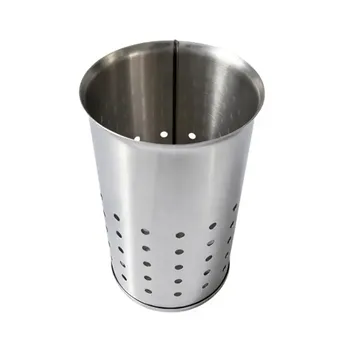
- Stainless Steel Perforated Inner Canister for Bee Smoker
- Premium Traditional Copper Bee Smoker with Bellows
People Also Ask
- What is the best bee hive smoker fuel? Choose Natural, Slow-Burning Fuel for Calm Bees
- What to put in a bee hive smoker? A Guide to Natural, Calming Fuels
- What fuels are recommended for beehive smokers? Master the Art of Calm, Controlled Inspections
- What type of fuel is best for smokers? Choose the Right Fuel for BBQ or Beekeeping
- What types of fuel can be used in a beekeeper's smoker? Best Options for Clean and Effective Smoke