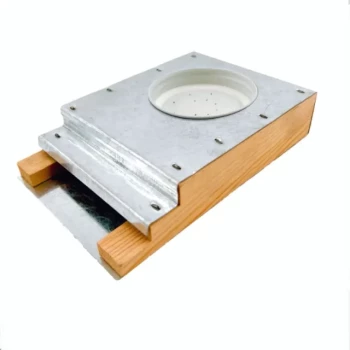
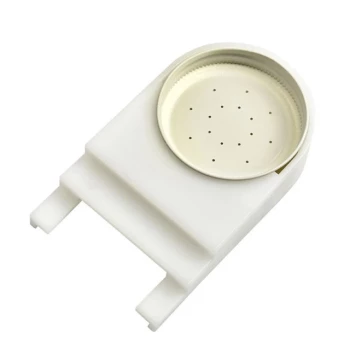
Internal feeders are specialized tools designed to provide supplemental resources to a colony while keeping the food source securely inside the hive structure. The primary types available include large-capacity hive-top feeders, division board feeders that replace internal frames, one-gallon pails for slow-drip delivery, and small jar feeders secured on the inner cover.
Internal feeders provide a secure method for supplemental feeding that minimizes the risk of robbing by neighboring colonies. By housing the syrup beneath the outer cover, you ensure resources are consumed only by the intended hive while maintaining apiary biosecurity.
Internal Feeder Options and Mechanisms
Hive-Top Feeders
These units are designed for large capacity feeding. They sit directly on top of the hive body but underneath the outer cover.
Because they hold a significant amount of syrup, they are ideal for rapid weight gain or heavy feeding requirements without needing frequent refills.
Division Board Feeders
This style of feeder is designed to fit inside the brood box, effectively replacing a standard internal frame.
They place the food source directly within the cluster's living space. This makes the syrup easily accessible to the bees, particularly during cooler weather when the cluster is tight.
Pail and Jar Feeders
For a more controlled release of resources, beekeepers use one-gallon feeder pails or small jar feeders.
These rely on a vacuum or gravity-based system to provide a slow-drip delivery. They are typically inverted and secured over the hole in the inner cover, protected by an empty hive body and the outer telescoping cover.
The Strategic Value of Internal Feeding
Prevention of Robbing
The most critical advantage of internal feeders is the minimization of robbing behavior.
By placing food inside the hive and combining this with narrowed entrances, you prevent stronger colonies from smelling the syrup and attacking weaker hives to steal it.
Biosecurity and Pest Control
Internal, leak-proof designs prevent feed from dripping or scattering outside the hive.
External spills attract predators, such as wasps or other insects, which can compromise the safety of the apiary. keeping the feed internal maintains the overall biosecurity of the environment.
Understanding the Trade-offs
Management and Intervention
While effective, internal feeding is not always mandatory and represents an active management decision.
It requires equipment investment and labor to mix syrup and refill feeders. Beekeepers must weigh this against alternatives, such as planting forage that blooms during dearth periods or simply leaving more natural honey in the hive for winter.
Timing and Goals
Supplemental feeding is a proactive strategy meant for specific outcomes, such as stimulating early spring growth or ensuring winter survival.
If mismanaged, it can lead to unnecessary resource expenditure. It is most effective when used to bridge gaps in natural nectar flow rather than as a permanent solution.
Selecting the Right Feeder for Your Goal
To maximize the health of your apiary, choose the feeder that aligns with your immediate objective.
- If your primary focus is rapid weight gain: Utilize hive-top feeders to deliver large volumes of feed quickly without frequent disturbance.
- If your primary focus is steady stimulation: Choose one-gallon pails or jar feeders to provide a slow, consistent drip that simulates a natural nectar flow.
- If your primary focus is cold-weather accessibility: Opt for division board feeders to place the food source directly adjacent to the bee cluster.
By matching the feeder type to your colony's specific developmental needs, you ensure efficient growth while maintaining a secure and defensive hive environment.
Summary Table:
| Feeder Type | Capacity | Placement | Primary Benefit |
|---|---|---|---|
| Hive-Top Feeder | High | Under outer cover | Rapid weight gain; infrequent refills |
| Division Board | Medium | Replaces frame | Direct cluster access; ideal for cold weather |
| Pail / Jar Feeder | Variable | Above inner cover | Slow-drip delivery; simulates natural flow |
| Internal Jar | Low | On inner cover | Easy monitoring; precise stimulation |
Scale Your Apiary with Professional Feeding Solutions
At HONESTBEE, we specialize in empowering commercial apiaries and distributors with high-performance beekeeping tools. Whether you need high-capacity hive-top feeders for rapid colony growth or specialized hive-making machinery, our comprehensive wholesale offering ensures your operations remain efficient and secure.
Our value to you:
- Complete Equipment Spectrum: From honey-filling machines to durable internal feeders.
- Commercial Grade Quality: Built to withstand the demands of professional beekeeping.
- Global Supply Chain: Reliable sourcing for all essential industry consumables.
Ready to enhance your apiary's productivity? Contact HONESTBEE today to discuss our wholesale solutions and how we can support your business growth.
Related Products
- Professional In-Hive Bee Feeder HONESTBEE Frame for Beekeeping
- HONESTBEE Entrance Bee Feeder Efficient Hive Front Liquid Feeding Solution for Beekeeping
- HONESTBEE Entrance Bee Feeder Professional Hive Nutrition Solution for Beekeeping
- HONESTBEE Professional Entrance Bee Feeder Hive Nutrition Solution
- Professional In-Hive Frame Bee Feeder by HONESTBEE
People Also Ask
- When should beekeepers stop feeding their bees? Let Your Bees Tell You
- Why is the use of a beekeeping feeder for syrup supplementation important? Boost Colony Growth and Survival
- What are the common types of internal and external feeders used in beekeeping? Choose the Right Feeder for Your Hive
- What is a feeder in the context of beekeeping? Optimize Your Hive Nutrition and Growth
- How do specialized feeders contribute to effective artificial feeding? Scientific Apiary Management & Colony Health