The timing of installation is the deciding factor for success. You must wait to install the queen excluder until the bees have successfully drawn out approximately 3 to 4 frames of foundation in the honey super. Placing the excluder immediately over undrawn foundation acts as a barrier that discourages bees from entering the new box, effectively stalling comb construction.
The Core Principle Bees are naturally reluctant to cross a queen excluder to work on bare foundation because it feels like a separation from the colony. You must allow them to establish the super as an active part of the hive by drawing wax first; only then should you introduce the barrier to manage the queen.
The Mechanics of Comb Building
Overcoming the "False Ceiling"
When you place a honey super filled with bare foundation on top of a hive, the bees view the space as largely uninhabitable territory.
If you place a queen excluder between the brood nest and this undrawn super, it acts as a "false ceiling." The bees, sensing a barrier and a lack of established comb above it, will often refuse to pass through the excluder to begin the energy-intensive work of drawing wax.
Establishing the Super
By leaving the excluder off initially, you encourage free movement between the brood box and the new super.
Once the bees have drawn out 3 to 4 frames, the super creates a scent and structure that feels like an integral part of the hive. This "baits" the bees into the space, ensuring they continue to work there even after the excluder is introduced.
Managing the Transition
Monitoring Progress
You must inspect the hive regularly after adding the super. Look for white, fresh wax on the foundation.
Once you see that several frames are adequately drawn, the colony has "accepted" the new space. This is the precise moment to intervene.
Installing the Barrier
Lift the super and place the queen excluder directly on top of the brood boxes.
Ensure the queen is located in the brood box below before placing the excluder. This barrier will now allow worker bees to pass through to store honey while physically preventing the queen from laying eggs in your new comb.
Understanding the Trade-offs
The Risk of Installing Too Early
If you prioritize keeping the queen out above all else and install the excluder immediately, you risk stagnation.
The colony may become honey-bound in the brood nest because they refuse to move up. This crowds the queen, limits her laying space, and can significantly increase the impulse to swarm.
The Risk of Installing Too Late
If you wait until the entire super is drawn out, the queen may move up and establish a brood nest in your honey super.
While this encourages excellent drawing of foundation, it complicates the harvest. You will have to wait for that brood to hatch before you can harvest the honey, or risk extracting larvae along with your nectar.
Making the Right Choice for Your Goal
To balance the need for fresh wax against the need for clean honey, follow these specific guidelines:
- If your primary focus is encouraging wax production: Delay the excluder installation until at least 3 to 4 frames are fully drawn to prevent stalling the bees' work.
- If your primary focus is pure honey quality: Install the excluder immediately after the initial frames are drawn and stop feeding sugar syrup to ensure the super is filled with natural nectar.
Success lies in baiting the bees up first, then restricting the queen second.
Summary Table:
| Stage of Foundation | Action Required | Reason for Timing |
|---|---|---|
| Bare Foundation | Leave Excluder Off | Prevents a "false ceiling" and encourages bees to enter the super. |
| 3-4 Frames Drawn | Install Queen Excluder | The bees have "accepted" the space; now you must protect the comb from eggs. |
| Full Super Drawn | Monitor & Manage | If installed too late, the queen may have already moved up to lay brood. |
| Honey Storage | Maintain Excluder | Ensures pure, brood-free honey for extraction and commercial quality. |
Maximize Your Honey Yield with HONESTBEE Professional Equipment
Timing is critical in beekeeping, and having the right tools makes every transition seamless. HONESTBEE provides commercial apiaries and distributors with a comprehensive range of high-quality equipment designed for efficiency and scale. From precision-engineered queen excluders and hive-making machinery to advanced honey-filling systems, we supply everything your business needs to thrive.
Whether you are expanding your commercial operation or stocking a distribution network, our portfolio includes all essential consumables and specialized hardware to support your success. Contact us today to discuss our wholesale offerings and discover how HONESTBEE can streamline your honey production and hive management.
Related Products
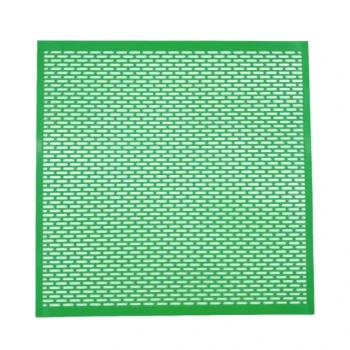
- High Performance Plastic Queen Excluder for Beekeeping and Apiary Management
- Professional Plastic Queen Excluder for Modern Beekeeping
- Lightweight Durable Plastic Queen Excluder Scraper for Beekeeping
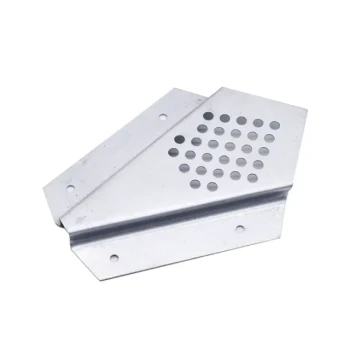
- Metal Queen Bee Excluder for Beekeeping
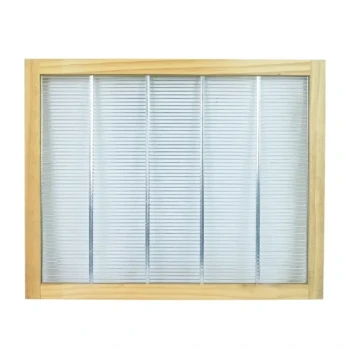
- Premium Wood Framed Metal Wire Queen Bee Excluder
People Also Ask
- What are the characteristics of a plastic queen excluder? Key Benefits for Cost-Effective Beekeeping
- What are the operational and cost advantages of using plastic queen excluders over metal or wire excluders in commercial hive management? Discover how they reduce labor, prevent wing damage, and lower total costs.
- What types of queen excluders are available for beekeepers? Choose the Right Tool for Your Hive
- Why are standardized hive frames and queen excluders essential for maintaining honey purity and quality? Scale Your Purity
- Do plastic queen excluders work? A Cost-Effective Solution for Modern Apiaries