The ideal bee smoker fuel consists of natural, non-toxic materials that smudge rather than flame, producing a cool, white smoke. The most effective recommendations include unprocessed cotton fiber, wood pellets, pine needles, burlap, and untreated wood shavings.
The specific material you choose is less important than its purity and burn characteristics. To protect your colony, the fuel must be completely free of chemicals and burn slowly to generate a consistent, cool smoke.
The Principles of Safe Fuel Selection
Chemical-Free Composition
The most critical requirement for smoker fuel is that it must be 100% natural. Avoid materials treated with pesticides, paints, or preservatives, as these release toxins when burned.
Even trace amounts of synthetic chemicals can irritate or kill the bees you are trying to calm. Furthermore, chemical fumes can contaminate the honey and wax within the hive, posing a risk to the beekeeper and the consumer.
Cool and Consistent Smoke
The objective of a smoker is to mask alarm pheromones, not to flush the bees out with heat. The fuel must produce cool smoke to prevent singing the bees' wings or bodies.
You also require consistency. The material should smolder for the duration of your inspection without requiring constant relighting, allowing you to focus on the hive rather than the smoker.
Recommended Materials by Category
Quick-Lighting Starters
To establish the initial flame, use materials with a low ignition point and high surface area. Cardboard strips, crumpled newspaper, and loose burlap are excellent choices for getting the fire going.
Once these starter materials have established a base of hot coals, you can add denser materials for sustained smoke.
Long-Burning Bulk Fuels
For the main fuel source, wood pellets and punk wood (soft, rotting wood) are highly recommended. These dense materials burn slowly and provide smoke for extended periods.
Pine needles (pine straw) are a favorite among many beekeepers because they are widely available, free, and produce a pleasant-smelling smoke.
Unprocessed cotton fibers and commercial cotton plugs are also effective, offering a clean burn that is easy to regulate. Other viable natural options include dried corn cobs, bark, sumac bobs, dry leaves, and eucalyptus.
Understanding the Trade-offs
The Risk of Synthetic Materials
While materials like bailer twine or burlap are traditional favorites, you must verify their composition. Modern twine is often made of plastic (polypropylene), which melts and releases toxic fumes.
Always ensure your fabrics and twines are made of natural fibers like jute or sisal before placing them in the smoker.
Heat Management
Different fuels burn at different temperatures. Loose materials like dry leaves or shredded paper can flare up quickly, producing hot smoke that endangers the bees.
Conversely, materials that are packed too tightly, such as dense wood pellets, may struggle to get enough oxygen and can extinguish mid-inspection. The key is to pack the fuel firmly enough to smolder, but loosely enough to allow airflow.
Making the Right Choice for Your Goal
Select your fuel based on the length of your inspection and the resources available in your area.
- If your primary focus is reliability and duration: Use wood pellets or compressed cotton fibers to ensure the smoker stays lit for long, complex inspections.
- If your primary focus is cost-efficiency: Use scavenged natural materials like pine needles, dry leaves, or punk wood, provided they are dry and free of chemicals.
- If your primary focus is ease of lighting: Start with cardboard or newspaper to build heat quickly before adding your denser bulk fuel.
Always test the smoke against your hand before directing it at the hive; if it is too hot for your skin, it is too hot for your bees.
Summary Table:
| Fuel Type | Burn Duration | Ease of Lighting | Best Use Case |
|---|---|---|---|
| Pine Needles | Moderate | High | Cost-effective, pleasant scent |
| Wood Pellets | Long | Low | Commercial use, long inspections |
| Cotton Fiber | Long | Moderate | Clean burn, consistent smoke |
| Burlap/Jute | Moderate | High | Excellent starter material |
| Punk Wood | Long | Low | Sustained smoldering for large apiaries |
Elevate Your Beekeeping Operations with HONESTBEE
At HONESTBEE, we understand that professional beekeepers and distributors require more than just supplies—they need reliability and scale. Whether you are managing a commercial apiary or supplying a regional market, we provide the high-quality beekeeping tools, machinery, and essential consumables you need to thrive.
From advanced hive-making and honey-filling machines to premium smokers and hardware, our portfolio is designed to enhance your efficiency and productivity.
Ready to scale your business? Contact us today to learn more about our comprehensive wholesale offerings and how we can support your growth in the beekeeping industry.
Related Products
- 54-Piece Smoker Fuel Pellets for Beekeeping Beehive Smoker Fuel
- Stainless Steel Electric Beehive Smoker for Beekeeping and Bee Keeper Use
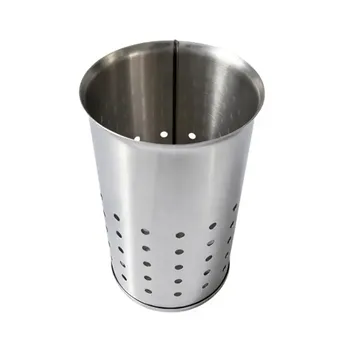
- Stainless Steel Perforated Inner Canister for Bee Smoker
- Stainless Steel Honey Bee Smoker Hive and Honeycomb Smoker for Beekeeping
- Premium Traditional Copper Bee Smoker with Bellows
People Also Ask
- What is the best bee hive smoker fuel? Choose Natural, Slow-Burning Fuel for Calm Bees
- What to put in a bee hive smoker? A Guide to Natural, Calming Fuels
- What fuels are recommended for beehive smokers? Master the Art of Calm, Controlled Inspections
- What type of fuel is best for smokers? Choose the Right Fuel for BBQ or Beekeeping
- What types of fuel can be used in a beekeeper's smoker? Best Options for Clean and Effective Smoke