For off-grid and migratory apiaries, the best equipment depends on one decision: portability or processing volume. Portable stainless steel manual two-frame or four-frame extractors are the most reliable choice when electrical power is unavailable, transport space is limited, or harvesting takes place directly at remote apiary sites. High-volume migratory operations may justify motorized radial extractors, automatic uncapping machines, and forced-air bee blowers, provided the vehicle or field setup can supply and protect the required power.
The strongest off-grid setup is a compact, durable manual extractor paired with manual uncapping tools, a smoker, and basic frame-handling equipment. Commercial migratory operations should scale toward radial extraction and mechanized uncapping only when higher throughput offsets the added power, transport, maintenance, and investment requirements.
Match the Extractor to the Apiary Operation
Manual Extractors for Remote, Low-Power Work
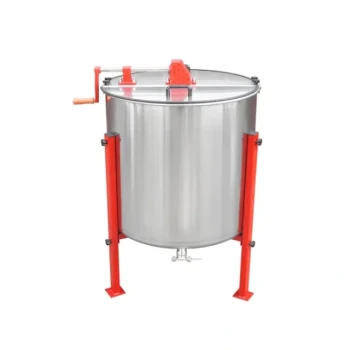
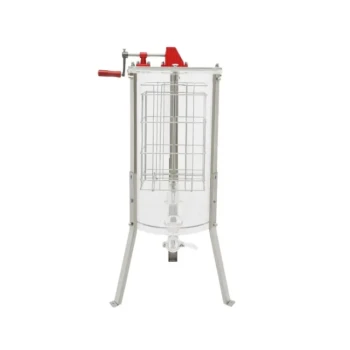
Manual hand-crank extractors operate without grid electricity, making them well suited to isolated apiaries and temporary harvesting locations. Their simple mechanism is also easier to inspect, repair, and transport than a motorized system.
A two-frame extractor is appropriate for small harvests, limited vehicle capacity, or beekeepers who prioritize minimum weight and easy setup. A four-frame extractor provides better productivity while remaining practical for mobile operations.
Stainless Steel for Durability and Hygiene
A stainless steel drum is the preferred construction for field extraction because it combines durability with a clean, non-porous food-contact surface. It is better suited to repeated commercial use and easier to clean than less robust materials.
For distributors and resellers, stainless steel extractors also provide a strong general-purpose product position: they serve hobbyists, professional beekeepers, and mobile honey-processing teams without requiring a specialized installation.
Motorized Radial Extractors for High-Volume Migratory Work
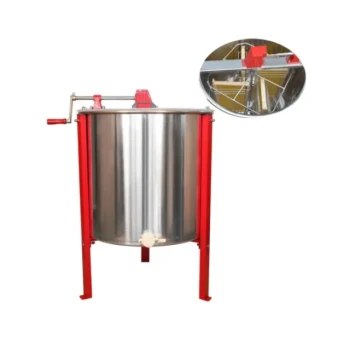
Large migratory operations process many frames under time pressure. A motorized or power-driven radial extractor can improve throughput by extracting honey from both sides of multiple frames in one cycle.
Radial extractors are available in larger capacities, including approximately six-frame to twenty-frame configurations. They are best matched to commercial teams with dependable electrical power, generators, vehicle-mounted systems, or a mobile honey house.
Choose the Right Harvesting Tools
Manual Uncapping Knives and Combs
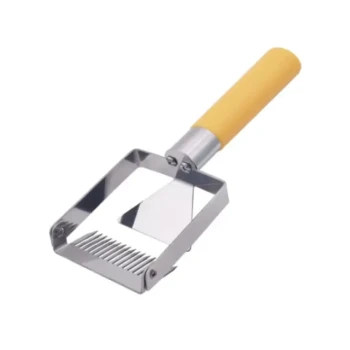
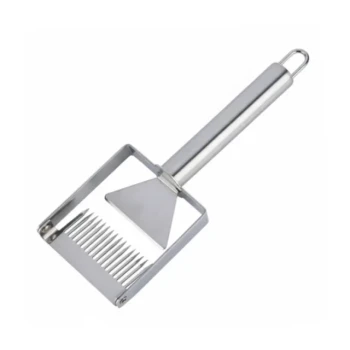
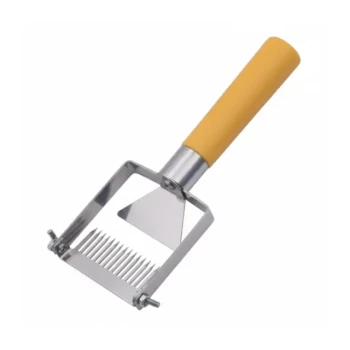
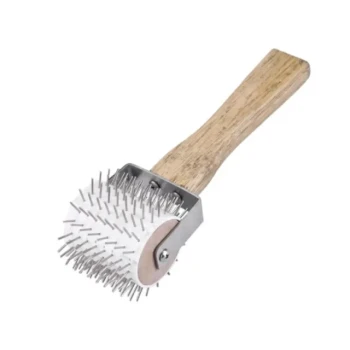
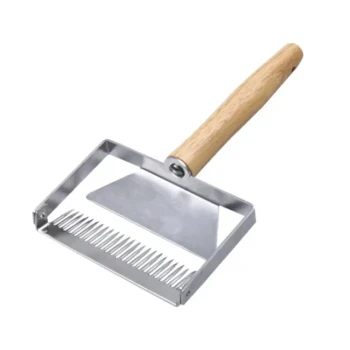
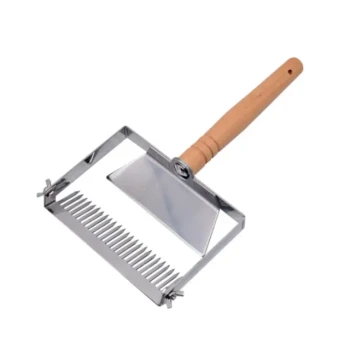
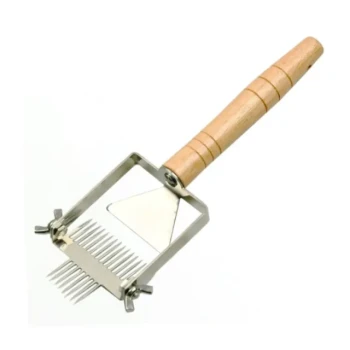
Honey must be released from the capped cells before extraction. Manual uncapping knives or uncapping combs are dependable choices for off-grid work because they require little equipment and can be used wherever frames are harvested.
They are especially practical when the apiary processes modest quantities or when equipment must remain compact. An electric uncapping knife can increase speed, but it introduces a power requirement and another component to transport and maintain.
Smokers and Hive Tools
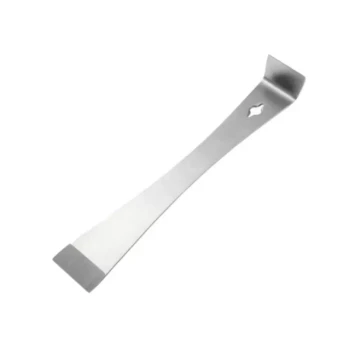
A traditional bee smoker helps keep bees calm during open-air collection and frame handling. A standard hive tool is essential for separating hive components, lifting frames, and removing propolis.
These tools are small, inexpensive, and fundamental to both remote and migratory operations. They should be treated as core field equipment rather than optional accessories.
Bee Brushes, Clearing Tools, and Blowers
A soft bee brush can remove remaining bees from frames during small-scale harvesting. For larger commercial operations, a forced-air bee blower can clear frames much faster while helping preserve the comb when used correctly.
Blowers are most valuable when labor efficiency matters. They are less suitable for a minimalist off-grid kit because they require power, add bulk, and demand careful operation around the bees and comb.
Protective Equipment
A helmet, veil, and appropriate protective clothing remain necessary during harvesting. Even efficient extraction equipment does not remove the need for safe frame handling and protection from stings.
The complete field kit should therefore combine processing tools with protective gear, rather than treating the extractor as a standalone purchase.
Build a Mobile Honey-Processing Setup
Protect the Extraction Area
Migratory teams can outfit transport vehicles or temporary work areas with protective wire mesh screens and nylon netting. This creates a more controlled mobile honey house for on-site extraction.
Screening helps keep the work area secure and reduces the risk of attracting robber bees during uncapping and extraction. It also supports cleaner handling when processing honey away from a permanent facility.
Use Warm Ambient Conditions
Honey flows more smoothly through the extractor when processing takes place at approximately 28–33 °C. In these conditions, the honey drains more easily through the extractor outlet, reducing processing effort and helping maximize yield.
This does not require a complex heating system in every operation. It does mean that teams should consider harvest timing, temporary storage, and field conditions when planning extraction.
Separate Brood and Honey Storage
Migratory operations using multiple hive supers can improve harvest organization by reserving lower chambers for brood and upper supers for honey storage. This supports more efficient frame selection during harvesting and helps protect brood health.
For commercial buyers, this operating model increases the value of a coordinated equipment portfolio: extractors, uncapping tools, bee-clearing equipment, protective gear, and transport solutions work together as one field system.
Understanding the Trade-offs
Portability Versus Throughput
Manual two-frame and four-frame extractors are portable, power-independent, and relatively simple to operate. Their limitation is lower capacity, which can increase labor and processing time during a large migratory harvest.
Motorized radial extractors process more frames quickly, but they are heavier, more expensive, and dependent on a reliable power source. The correct choice depends on the number of frames processed per day, not simply on the extractor's advertised capacity.
Simplicity Versus Mechanization
Manual uncapping tools and smokers are easy to carry and maintain. Automatic uncapping machines and powered tools reduce repetitive labor but require more space, capital, cleaning, and technical support.
Mechanization becomes commercially sensible when labor savings and faster turnaround justify those additional requirements. It is unnecessary complexity for a small remote apiary with limited daily harvest volume.
Field Flexibility Versus Processing Control
Extracting directly at the apiary reduces the need to transport full honey frames over long distances. However, field processing requires careful protection from contamination, weather, bees, and unsuitable temperatures.
A screened mobile honey house improves control, but it adds preparation and vehicle requirements. Teams should evaluate the entire workflow, including frame transport, uncapping, extraction, filtration, storage, and cleanup.
Making the Right Choice for Your Goal
Select equipment as a complete operating package, with the extractor capacity matched to expected harvest volume and available power.
- If your primary focus is off-grid portability: Choose a durable stainless steel two-frame or four-frame manual extractor, manual uncapping tools, a smoker, hive tool, protective gear, and a soft bee brush.
- If your primary focus is high-volume migratory harvesting: Choose a commercial motorized radial extractor, automatic uncapping equipment, and a forced-air bee blower supported by a dependable vehicle or field power system.
- If your primary focus is mobile on-site processing: Combine the extractor and uncapping equipment with protective mesh screens or nylon netting to create a secure mobile honey house.
- If your primary focus is distributor or reseller coverage: Stock a tiered portfolio that includes compact manual extractors, larger radial models, uncapping tools, bee-clearing equipment, protective gear, and replacement or service support.
- If your primary focus is maximum honey recovery: Plan extraction around warm ambient conditions near 28–33 °C so honey flows efficiently through the extractor outlet.
The best harvesting system is the one that matches your apiary's power availability, frame volume, mobility requirements, labor capacity, and service expectations.
Summary Table:
| Equipment Type | Best For | Key Features | Power Requirement |
|---|---|---|---|
| Manual 2-Frame Extractor | Small, remote apiaries | Portable, simple, low cost | None |
| Manual 4-Frame Extractor | Small to medium operations | Higher capacity, still portable | None |
| Motorized Radial Extractor | High-volume migratory | Fast, large capacity (6-20 frames) | Electric/generator |
| Manual Uncapping Knife | Off-grid, small scale | Lightweight, no power needed | None |
| Electric Uncapping Knife | Increased speed | Faster than manual | Electric |
| Bee Smoker & Hive Tool | Essential for all | Calms bees, frame handling | None |
| Bee Brush | Small harvests | Gentle bee removal | None |
| Forced-Air Bee Blower | Large operations | Fast frame clearing | Electric/generator |
Ready to equip your off-grid or migratory apiary with the right tools? HONESTBEE offers a full spectrum of beekeeping equipment, from portable manual extractors to high-capacity radial models and essential harvesting tools. As a one-stop sourcing partner for distributors and commercial beekeepers, we provide premium products, rapid response, and ultra-fast delivery to keep your operation running smoothly. Contact us today to discuss your needs and get a tailored quote!
Related Products
- Stainless Steel Pivoting Honey Uncapping Fork with Plastic Handle
- All-Stainless Steel Pivoting Honey Uncapping Fork for Beekeeping
- Adjustable Stainless Steel Honey Uncapping Fork with Plastic Handle for Beekeeping
- HONESTBEE 3-Frame Manual Acrylic Honey Extractor
- 6 Frame Manual Stainless Steel Honey Extractor Beekeeping Equipment
People Also Ask
- What is the design purpose of honey uncapping forks and honey uncapping tanks? Maximize Your Harvest Efficiency
- How does a honey uncapping fork supplement the use of an uncapping knife? Boost Your Honey Yield and Extraction Efficiency
- What are the essential tools for uncapping honey frames? Choose the Right Tool for Your Apiary
- What other tools are available for honey uncapping besides knives? Find the Right Tool for Your Apiary's Scale
- What tools are used for honey uncapping? Choose the Right Knife for Your Harvest