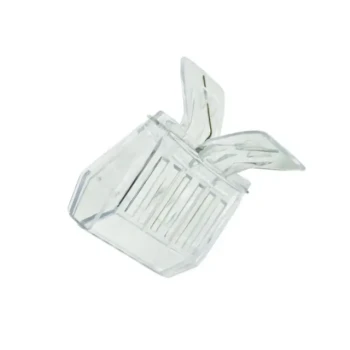
Standardizing large-scale queen production is the primary reason artificial queen cups are utilized in commercial apiaries. These tools provide a consistent, modular foundation that allows beekeepers to move beyond natural limitations and produce hundreds of high-quality queens simultaneously through batch grafting.
Core Takeaway: Artificial queen cups act as standardized physical carriers that trigger essential biological responses in nurse bees, enabling the scalable, predictable, and efficient production of queens required for modern commercial honey bee supply chains.
Standardizing the Biological Foundation
Mimicking Natural Geometry for High Acceptance
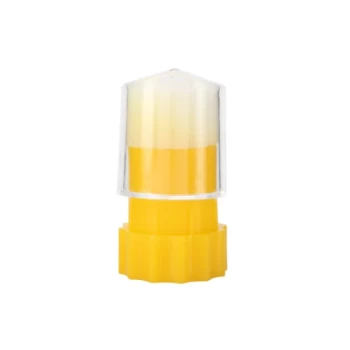
Artificial queen cups are engineered to simulate the specific downward-facing geometry and dimensions of natural queen cells. This design guides nurse bees to recognize the grafted larvae as potential queens rather than workers.
Once recognized, nurse bees initiate intensive feeding of royal jelly, a critical step that triggers the physiological transition from worker larvae to queens. The internal volume of the cup is specifically calibrated to maximize the storage of this nutrient-rich substance.
Precision in Batch Grafting
By providing a standardized container for 1-to-2-day-old worker bee larvae, these cups allow for a high degree of precision during the grafting process. This uniformity is essential for commercial operations where consistency in queen size and vitality is a key performance indicator.
The cups serve as the primary carrier for the larvae throughout their development, ensuring that the physical space remains stable as the cell is expanded by the colony. This stability is vital for maintaining high rearing success rates across thousands of units.
Operational Efficiency and Scalability
Modular Workflow Management
In a commercial setting, queen cups are secured to wood bars within a rearing frame, creating a modular system. This allows beekeepers to manage large batches of queens as a single unit during the early stages of development.
Because these cups are designed for easy detachment, individual mature queen cells can be moved or harvested without damaging the delicate larvae inside. This modular approach is the backbone of efficient workflow management in high-volume apiaries.
Streamlining Logistics and Distribution
For wholesalers and distributors, the standardized nature of these cups facilitates efficient order fulfillment and safe transport. They are designed to be compatible with a wide range of protective cages and shipping containers.
The use of uniform plastic or wax cups reduces the variability in packaging, allowing for ultra-fast delivery of queen cells to end-users. This predictability is crucial for maintaining the integrity of the supply chain during the sensitive queen-rearing season.
Understanding the Trade-offs and Risks
Material Quality and Contamination
While plastic cups offer superior durability and reuse potential, they must be manufactured from high-grade, food-safe materials. Lower-quality plastics can leach chemicals that negatively impact queen vitality or larval development.
Wax cups are often preferred for their higher acceptance rates by nurse bees, as they more closely mimic natural hive materials. However, wax carries a risk of environmental contamination, such as pesticide residues, which can be evaluated through specialized toxicological testing of the cell walls.
Geometric Precision vs. Bee Acceptance
The internal dimensions of the cup must be exact; even minor deviations from natural proportions can lead to lower acceptance rates by the colony. Commercial operations must source from providers with deep professional industry expertise to ensure the cups meet these rigorous biological standards.
Optimizing Your Sourcing Strategy
Making the Right Choice for Your Goal
To maximize the value of your inventory and meet the specific needs of your B2B clients, consider the following recommendations based on operational priorities.
- If your primary focus is Maximum Scalability: Prioritize high-quality plastic cups that offer modular compatibility with standard rearing frames for rapid batch processing.
- If your primary focus is Premium Queen Vitality: Source wax-coated or pure wax cups, ensuring they are certified free of chemical contaminants to maximize acceptance and nutritional intake.
- If your primary focus is Supply Chain Reliability: Partner with a one-stop source that offers a full-spectrum portfolio of cups, cages, and frames to ensure seamless integration and fast order fulfillment.
Utilizing standardized artificial queen cups is the only viable method for meeting the high-volume demands of the modern beekeeping industry while maintaining rigorous quality standards.
Summary Table:
| Key Feature | Benefit for Commercial Operations | Impact on Queen Quality |
|---|---|---|
| Standardized Geometry | High acceptance rates by mimicking natural queen cells. | Ensures consistent queen size and vitality. |
| Modular Design | Allows for efficient batch grafting and easy transport. | Minimizes physical stress on developing larvae. |
| Compatibility | Fits standard rearing frames and shipping cages. | Streamlines order fulfillment and distribution. |
| Material Variety | Choice between durable plastic or natural wax coatings. | Influences larval nutrition and success rates. |
Optimize Your Wholesale Supply with HONESTBEE
Are you looking to streamline your commercial apiary or expand your distribution inventory? HONESTBEE is your dedicated partner for high-quality, professional beekeeping solutions. We offer a comprehensive full-spectrum product portfolio, ranging from precision artificial queen cups and specialized hive-making machinery to honey-filling equipment and cultural merchandise.
Why Partner with Us?
- One-Stop Sourcing: Access everything from essential consumables to heavy machinery in one place.
- Deep Industry Expertise: Our products are designed to meet the rigorous biological standards of modern queen rearing.
- Reliable Fulfillment: Benefit from our ultra-fast delivery, rapid response times, and exceptional customer service tailored for B2B resellers and wholesalers.
Ready to enhance your profit margins with a reliable supply chain? Contact HONESTBEE today to request a quote and experience the value of professional-grade beekeeping equipment.
References
- سیدابراهیم فرخاری. مروری بر روشهای پرورش ملکه زنبور عسل. DOI: 10.62810/jns.v7i1.10
This article is also based on technical information from HonestBee Knowledge Base .
Related Products
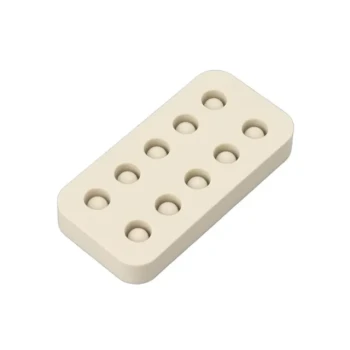
- 10-Cell Silicone Beeswax Bee Queen Cups Forming Mold
- JZBZ Type Wide Base Plastic Queen Cell Cups for Base Mounting and Queen Rearing
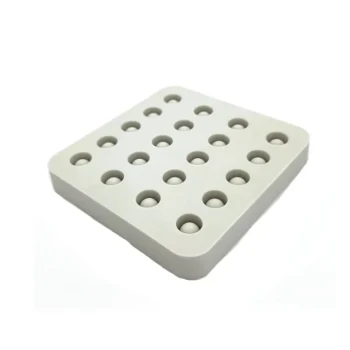
- High-Efficiency 20-Cell Silicone Mold for Beeswax Bee Queen Cup Production
- Brown Nicot Queen Cell Cups for Breeding Queen Bees Beekeeping
- JZBZ Push-In Queen Cell Cups for Beekeeping
People Also Ask
- How do beeswax queen cell cups function? Optimize Queen Rearing with Biological Mimicry
- What is the biological function of beeswax queen cell cups? Boost Acceptance in Artificial Queen Rearing
- What role do specialized queen rearing tools play in developing mite-resistant honeybee stock? Master Genetic Selection
- What materials are used to make artificial queen cell cups for grafting? Beeswax vs. Plastic Guide
- What roles do specialized queen cell cups play in royal jelly production? Optimize Your Hive's Secretion and Yield