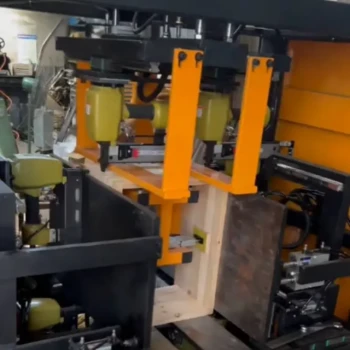
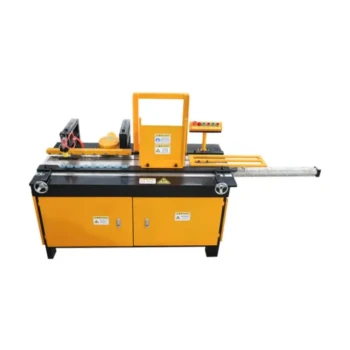
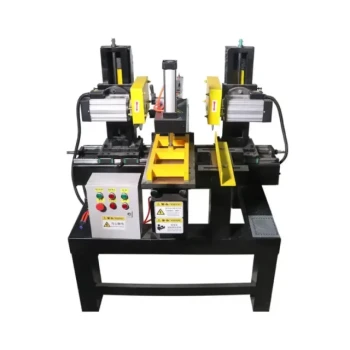
Automated hive-making machines function as the logistical engine behind modern commercial pollination. By shifting hive construction from manual assembly to industrial manufacturing, these systems resolve the single largest bottleneck in apiary expansion: hardware availability. They enable beekeepers to rapidly generate the sheer volume of standardized units necessary to meet the surging demand for agricultural pollination services.
The Core Insight Expanding pollination services requires more than just biological expertise; it requires industrial scalability. Automated machinery provides the high-precision, low-cost hardware foundation that allows operations to transition from managing hundreds of hives to managing thousands with consistent quality and efficiency.
The Mechanics of Scalable Operations
Reducing the Marginal Cost of Expansion
The primary barrier to scaling a pollination business is the capital and labor required to build new colonies. Manual construction is slow and labor-intensive.
Automated machines dramatically lower the marginal cost per hive. By streamlining production, these systems allow operators to produce thousands of units rapidly, ensuring that hardware supply never limits the biological expansion of the apiary.
Meeting "On-Demand" Agricultural Needs
Pollination contracts often require rapid mobilization of resources during specific bloom windows.
Industrial manufacturing capabilities ensure that beekeepers can quickly ramp up colony numbers to fulfill large contracts. This responsiveness is critical for servicing large-scale monocultures where the demand for pollination units can spike seasonally.
The Strategic Value of Standardization
Ensuring Component Interchangeability
In a large-scale operation involving thousands of hives, custom-fitted parts are a logistical nightmare.
Automated machines produce components with strict dimensional precision. This ensures that every lid, box, and frame is universally interchangeable. This reduces time wasted on maintenance and simplifies the logistics of moving hives between varying crop locations.
Optimizing Transport and Layout
Pollination services are inherently migratory; hives are frequently loaded onto pallets and trucks.
Machine-made hives offer structural consistency that ensures stable stacking and uniform pallet configurations. This systematic uniformity maximizes space on transport vehicles and streamlines the physical layout of hives in the field.
Biological Precision and Efficiency
Preserving "Bee Space"
Biological efficiency relies on "bee space"—the precise gap bees need to move freely without building excess comb.
Automated equipment cuts timber with high tolerance, strictly adhering to these biological parameters. This prevents bees from gluing frames together with propolis or burr comb, significantly reducing the time required for hive inspections and management.
Species-Specific Optimization
Different pollinator species, such as the Italian bee or Oriental honey bee, require slightly different hive dimensions for optimal health.
Advanced machinery allows for the customization of physical structures to match specific species' habits. This ensures the hardware supports the colony's natural behaviors, leading to stronger, more effective pollination units.
Understanding the Trade-offs
The Risk of Scaled Errors
While automation provides consistency, it also amplifies mistakes. If a machine's calibration is slightly off, the error is replicated across thousands of units. This requires rigorous quality control protocols to prevent mass production of unusable hardware.
Capital Intensity vs. Labor Intensity
Implementing this technology shifts the cost structure from variable labor costs to high upfront capital expenditure (CapEx). Smaller operations may find the return on investment difficult to justify unless they are aggressively targeting rapid growth or large commercial contracts.
Making the Right Choice for Your Goal
To determine if automated manufacturing is the right step for your operation, consider your specific strategic objectives:
- If your primary focus is Rapid Scale-Up: Prioritize high-throughput machinery to eliminate hardware shortages and capture immediate market share in pollination contracts.
- If your primary focus is Operational Efficiency: Focus on machines that guarantee high-precision standardization to ensure all components are interchangeable, reducing labor time during field inspections.
- If your primary focus is Specialized Pollination: Select equipment with adjustable parameters to manufacture custom hive dimensions suited to specific bee species or unique crop environments.
Ultimately, automated hive production is not just about building boxes; it is about building the infrastructure reliability required to treat pollination as a professional industrial service.
Summary Table:
| Key Benefit | Impact on Pollination Services | Strategic Value |
|---|---|---|
| Reduced Marginal Cost | Lowers labor & capital per hive | Enables rapid colony expansion |
| High Precision | Preserves biological "bee space" | Faster inspections & healthier bees |
| Standardization | Component interchangeability | Simplified logistics & transport |
| On-Demand Production | Meets seasonal bloom windows | Fulfills large-scale contracts |
| Customization | Species-specific hive dimensions | Optimized for various bee species |
Scale Your Apiary Operations with HONESTBEE
Transitioning from manual assembly to industrial manufacturing is essential for meeting the demands of modern agriculture. HONESTBEE empowers commercial apiaries and distributors with the high-precision infrastructure needed to lead the pollination service industry.
Our comprehensive wholesale portfolio includes:
- Specialized Machinery: Advanced hive-making and honey-filling machines for high-throughput production.
- Precision Hardware: A full spectrum of beekeeping tools and equipment designed for universal interchangeability.
- Industry Consumables: Reliable supplies to support large-scale migratory beekeeping.
- Cultural Merchandise: Honey-themed products to diversify your brand's market reach.
Whether you are expanding your colony scale or optimizing your operational efficiency, HONESTBEE provides the professional-grade tools required for success.
Contact HONESTBEE today to build your industrial infrastructure.
References
- Tom D. Breeze, David Kleijn. Linking farmer and beekeeper preferences with ecological knowledge to improve crop pollination. DOI: 10.1002/pan3.10055
This article is also based on technical information from HonestBee Knowledge Base .
Related Products
- Automatic High-Speed Bee Hive Box Stapling Machine
- High-Efficiency Pneumatic Bee Hive Making Machine for Rapid Box Assembly
- Mini Desktop Bee Hive Frame Forming Making Machine
- Beehive Handle and Frame Rest Cutting Machine: Your Specialized Hive Machine
- Beehive Machine Double End Saw for Precision Hive Component Manufacturing
People Also Ask
- How is the Bee Box machine adjusted for different box sizes? Maximize Your Woodworking Versatility and Precision
- How is the Bee Box machine operated? Optimize Your Commercial Hive Production with Scalable Staffing Solutions
- How was the Bee Box machine designed? Industrial Engineering for High-Volume Beekeeping Production
- What is the production capacity of the Bee Box machine? Boost Output up to 1,000 Boxes Daily
- What are the power requirements and control system for the Bee Box machine? Optimize Your Apiary Equipment Production