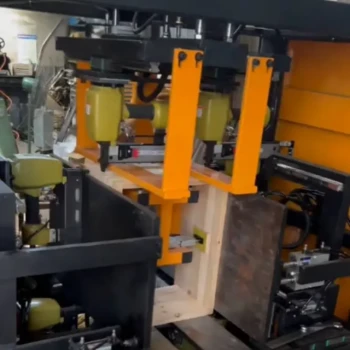
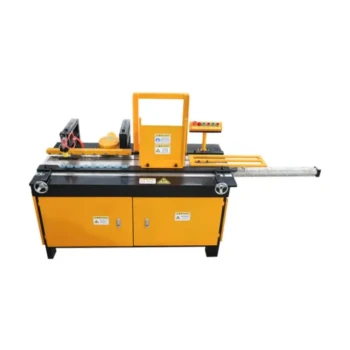
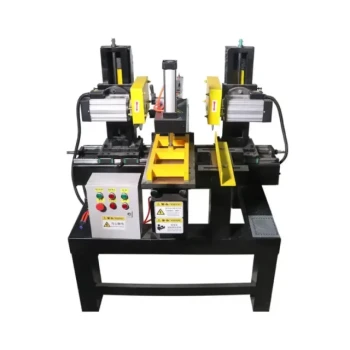
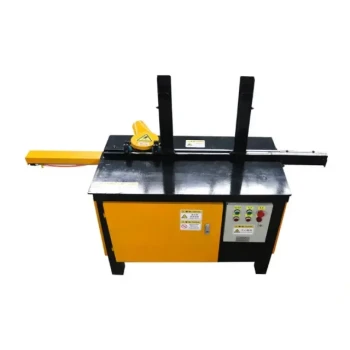
Automatic hive-making machines are the backbone of scalable nucleus hive production. They provide the speed and precision required to manufacture uniform, well-sealed small-scale hives during critical peak seasons. By industrializing this process, large-scale operations can rapidly replace spring colony losses and shift from purchasing external stock to a self-sustaining internal expansion cycle.
By industrializing the production of nucleus hives, beekeepers facilitate a transition from reactive purchasing to proactive, sustainable growth. These machines provide the essential hardware infrastructure to close the loop on colony replacement, ensuring consistent inventory despite seasonal fluctuations.
Achieving Sustainability Through Speed and Scale
Meeting Peak Season Demands
Timing is the single most critical factor in expanding bee colonies. During peak seasons, the biological drive for bees to split and grow is intense and fleeting.
Automatic machines enable the rapid fabrication of the necessary hardware to capture this growth immediately. This eliminates supply chain delays that could result in missed opportunities for colony division.
Internalizing Colony Replacement
Traditionally, operations rely on purchasing expensive package bees or nucs to replace winter losses.
In-house hive production allows apiaries to create their own nucleus colonies cost-effectively. This shifts the business model from reliance on external vendors to a sustainable, internal cycle of renewal and expansion.
The Critical Role of Precision Engineering
Ensuring Biological Integrity
Nucleus colonies are vulnerable and require specific environmental conditions to thrive.
Automated manufacturing produces well-sealed, weather-resistant hives with tight tolerances. This precision prevents gaps that cause drafts or allow pests to enter, thereby securing the health of the developing colony.
Standardization and Efficiency
In a large-scale operation, every piece of equipment must be interchangeable.
Machine-cut components ensure that frames, boxes, and bottom boards have identical dimensions. This standardization allows technicians to manage thousands of hives using unified maintenance protocols, significantly reducing labor costs.
Understanding the Trade-offs
Capital Investment vs. Long-term Gain
While automation drives efficiency, it requires a significant upfront capital expenditure.
Small-scale apiaries may find the return on investment too slow compared to manual assembly or purchasing pre-made equipment. The value of these machines is realized only when volume requirements exceed the capacity of manual labor.
Maintenance and Skill Shift
Adopting industrial machinery changes the nature of the work.
It introduces a need for technical maintenance and mechanical troubleshooting within the operation. Beekeepers must ensure their team has the skills to keep the production line running, rather than solely focusing on carpentry or biology.
Making the Strategic Choice for Your Apiary
To determine if automated hive production aligns with your operational goals, consider your current bottleneck:
- If your primary focus is rapid expansion: Invest in automation to eliminate hardware shortages during the critical spring split window.
- If your primary focus is cost control: Use machine-produced nucleus hives to internalize stock replacement and insulate your business from rising external bee prices.
True scalability in beekeeping is achieved when your hardware production capacity moves as fast as your biology allows.
Summary Table:
| Feature | Manual Production | Automatic Machine Production | Impact on Large-Scale Operations |
|---|---|---|---|
| Production Speed | Slow; labor-intensive | High-speed; industrial-scale | Meets peak season splitting demands |
| Precision & Seal | Variable quality | High-precision tolerances | Enhances biological integrity & pest resistance |
| Cost Structure | Low entry; high labor | High entry; low unit cost | Maximizes ROI via internal colony renewal |
| Standardization | Inconsistent dimensions | Identical components | Ensures equipment interchangeability |
| Supply Chain | Reliant on external stock | Fully self-sustaining | Eliminates delays and external vendor costs |
Scale Your Beekeeping Business with HONESTBEE Precision
Transition from reactive purchasing to proactive growth with HONESTBEE. As a premier partner for commercial apiaries and global distributors, we provide the industrial infrastructure needed to secure your operation’s future.
Our comprehensive wholesale portfolio includes high-performance hive-making and honey-filling machines, professional beekeeping tools, and essential industry consumables. By internalizing your hive production with our specialized hardware, you can eliminate supply chain bottlenecks, reduce labor costs, and achieve a self-sustaining cycle of colony expansion.
Ready to industrialize your apiary? Contact our expert team today to discover how HONESTBEE machinery and equipment can transform your production capacity.
References
- Matthew Polinsky. Beekeeping in Canada: Trends of Self-Sufficiency and Participation in the Global Honey Bee Trade. DOI: 10.21083/crrf.v31i1.7332
This article is also based on technical information from HonestBee Knowledge Base .
Related Products
- Automatic Finger Joints Joint Making Machine for Bee Box and Hive Making
- Automatic High-Speed Bee Hive Box Stapling Machine
- High-Efficiency Pneumatic Bee Hive Making Machine for Rapid Box Assembly
- Mini Desktop Bee Hive Frame Forming Making Machine
- Beehive Handle and Frame Rest Cutting Machine: Your Specialized Hive Machine
People Also Ask
- What are the benefits of using a bee box-making machine? Scale Your Apiary with Precision & Efficiency
- What type of joint is required on the inside of beehive boxes for frame support? Mastering the Essential Rabbet Joint
- How were the finger joints cut on the super components? Precision Engineering for Durable Hive Assembly
- What is the construction method that the machine is based on? Master the Lock Corner Technique for Beehives
- What are the advantages of using automated hive-making machines? Boost Efficiency in Large-Scale Africanized Apiaries