Bait boards utilize this specific material combination to biologically engineer a "perfect" landing site. The stainless steel mesh creates a rough, textured surface that physically mimics tree bark, while the beeswax coating provides a familiar chemical scent profile. This dual approach effectively hacks the bees' biological instincts to encourage landing and clustering.
The Core Mechanism By pairing a biomimetic physical interface (mesh) with a chemical pheromone background (beeswax), bait boards simulate the sensory experience of natural nesting sites. This combination significantly enhances the board's attractiveness, triggering the colony’s instinctive behavior to settle.
Replicating the Natural Environment
To understand why these materials are used, you must look at the problem through the lens of a honeybee. A swarm is looking for a specific set of physical and chemical cues that indicate a safe, viable location to cluster, such as a tree branch.
The Function of Stainless Steel Mesh
The primary purpose of the stainless steel mesh is to create a biomimetic rough-textured interface.
Honeybees struggle to grip perfectly smooth, manufactured surfaces. The mesh modifies the board to simulate the roughness of natural bark.
This texture provides the necessary traction for the first few bees to land and hold on, allowing the rest of the swarm to cluster onto them effectively.
The Importance of the Beeswax Coating
While the mesh addresses the physical need for grip, the beeswax addresses the chemical environment.
Bees rely heavily on olfactory cues (smell) to make decisions. The beeswax coating offers a "familiar chemical pheromone background."
This scent signals to the scout bees that the location is compatible with their biological expectations, effectively lowering their resistance to adopting the new site.
The Synergy of Physics and Chemistry
The effectiveness of the bait board lies in the combination of these two elements, not their individual use.
Simulating Natural Clustering Sites
When a swarm encounters a board with both mesh and wax, it perceives a "high-fidelity" simulation of a natural clustering site.
The mesh provides the physical structure expected of a branch, while the wax provides the chemical signature expected of a hive environment.
Enhancing Attractiveness
Field trials indicate that these modifications significantly enhance the physical attractiveness of the boards compared to unmodified versions.
This facilitates a faster, more reliable landing process for swarming or migrating colonies.
Operational Considerations and Trade-offs
While the mesh and wax combination is highly effective, it introduces specific maintenance requirements that simple wooden traps do not have.
The Volatility of Scent
The beeswax coating acts as a chemical lure, but chemical signals degrade over time.
To maintain the "pheromone background," the wax coating requires periodic refreshing. A board with old, dried-out wax loses its chemical advantage and becomes merely a textured surface.
Material Integrity
Stainless steel is used specifically for its durability and resistance to rust, but the mesh can become clogged with debris or propolis over time.
If the mesh becomes too smooth due to buildup, it loses its "rough-textured" benefit. Regular cleaning is required to ensure the physical interface remains effective.
Making the Right Choice for Your Goal
Using bait boards with these modifications is a strategy for maximizing swarm capture rates through biological precision.
- If your primary focus is maximum capture rate: Prioritize boards with fresh beeswax and clean stainless steel mesh to fully leverage biomimetic attraction.
- If your primary focus is cost-efficiency: Recognize that while these materials add initial cost, they provide a method to acquire new colonies autonomously, reducing reliance on market-based procurement.
Ultimately, the stainless steel and beeswax combination transforms a simple board into a biological magnet by speaking the sensory language of the honeybee.
Summary Table:
| Feature | Material Used | Biological Function | Primary Benefit |
|---|---|---|---|
| Physical Texture | Stainless Steel Mesh | Mimics rough tree bark | Provides grip for clustering |
| Chemical Cue | Beeswax Coating | Mimics hive pheromones | Lowers resistance to landing |
| Durability | Stainless Steel | Corrosion resistance | Long-lasting field performance |
| Synergy | Mesh + Wax Combo | High-fidelity simulation | Faster, more reliable capture |
Maximize Your Swarm Capture Success with HONESTBEE
At HONESTBEE, we understand the biological science behind effective beekeeping. As a dedicated partner to commercial apiaries and global distributors, we provide more than just equipment; we provide precision-engineered solutions.
Our extensive wholesale portfolio includes everything from mesh-enhanced bait boards and hive-making machinery to honey-filling systems and essential consumables. Whether you are expanding your colony count or stocking your retail shelves, we deliver the quality and expertise required to scale your operations efficiently.
Ready to upgrade your apiary’s performance? Contact HONESTBEE today for wholesale pricing and expert support.
References
- Michio Sugahara, Fumio Sakamoto. Oriental Orchid (<i>Cymbidium floribundum</i>) Attracts the Japanese Honeybee (<i>Apis cerana japonica</i>) with a Mixture of 3-Hydroxyoctanoic Acid and 10-Hydroxy- (<i>E</i>)-2-Decenoic Acid. DOI: 10.2108/zsj.30.99
This article is also based on technical information from HonestBee Knowledge Base .
Related Products
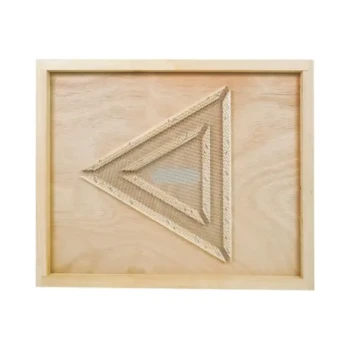
- HONESTBEE Wooden Bee Escape Board with Triangle Mesh Design for Beekeeping
- HONESTBEE Professional Telescopic Pole Bee Swarm Catcher
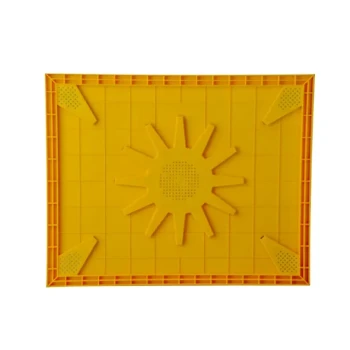
- HONESTBEE Multi Exit Plastic Bee Escape Board for Efficient Honey Harvesting
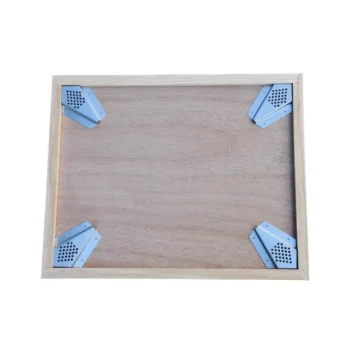
- HONESTBEE 4-Way Metal Corner Wooden Bee Escape Board
- HONESTBEE Collapsible Tiered Bee Swarm Catcher for Beekeeping
People Also Ask
- How is a bee escape board used to clear a hive body for honey harvesting? Optimize Your Chemical-Free Harvest
- What is a bee escape board and what problem does it solve? Simplify Your Honey Harvest with Passive Clearing
- How is a bee escape board used and how does it function? Master This Gentle Honey Harvesting Tool
- What are the proper steps for using a bee escape board for honey harvesting? Master the Passive Clearing Technique
- What tools and methods are used to clear honey bees from honey supers? Efficient Harvesting for Commercial Beekeepers