Controlled-release applicator systems are the critical safety mechanism that stands between a successful treatment and a damaged colony. Formic acid is highly volatile; without a system to mechanically regulate its release, evaporation rates can spike unpredictably. These systems ensure the chemical concentration remains stable enough to kill mites without becoming toxic to the bees.
Formic acid is unique in its ability to penetrate capped brood cells, but this potency carries significant risk. Controlled-release systems serve as a governor, maintaining the precise chemical equilibrium required to kill Varroa mites while preserving the health of the queen and developing larvae.
The Unique Challenge of Formic Acid
Penetrating the Capped Brood
Formic acid possesses a distinct advantage over other treatments: it can penetrate capped brood cells. This allows the treatment to reach Varroa mites where they reproduce, rather than only targeting those attached to adult bees.
The Margin of Error
Because it penetrates so deeply, formic acid requires an extremely precise concentration to be safe. If the concentration is too low, the mites survive; if it spikes too high, it can kill the queen bee or damage sensitive larvae.
How Controlled Systems Mitigate Risk
Regulating Evaporation Rates
Tools such as specialized evaporators, gel carriers, or strips act as a physical buffer. They prevent the acid from "flashing off" or evaporating all at once, ensuring a continuous, steady release of vapors.
Stabilizing Against Environment
Ambient temperature and humidity can drastically alter how quickly raw organic acids evaporate. A controlled-release system minimizes the fluctuations caused by these weather variables, maintaining a constant therapeutic dose inside the hive.
Operational Constraints and Trade-offs
Strict Placement Requirements
These systems are not "set and forget" regarding placement; they generally must be positioned at the top of the brood box. This specific positioning is required to effectively target the reproductive mites located within the capped cells below.
Treatment Duration and Hygiene
Using these systems requires a commitment to a specific timeline, typically a 10-day treatment cycle. Unlike some biodegradable options, spent strips or carriers must be physically removed and discarded after the treatment to maintain proper hive hygiene.
Making the Right Choice for Your Goal
To ensure the longevity of your colony, you must balance aggressive mite control with hive safety.
- If your primary focus is Colony Safety: Rely on controlled-release systems to prevent lethal vapor spikes that could result in queen loss or brood damage.
- If your primary focus is Total Mite Eradication: Use these systems to sustain the consistent vapor pressure necessary to penetrate wax cappings and kill hidden, reproductive mites.
Precision in application is the only way to harness the power of formic acid without suffering its consequences.
Summary Table:
| Feature | Importance in Formic Acid Treatment | Impact on Colony |
|---|---|---|
| Brood Penetration | Reaches mites inside capped cells | Targets reproductive mites at the source |
| Evaporation Control | Prevents rapid chemical "flashing" | Protects the queen and sensitive larvae |
| Dose Stabilization | Buffers against temperature & humidity shifts | Maintains a constant therapeutic vapor level |
| Placement Precision | Optimized at the top of the brood box | Ensures even distribution across the hive |
Scale Your Apiary Operations with HONESTBEE
Are you looking to enhance your colony health and operational efficiency? HONESTBEE is a premier partner for commercial apiaries and distributors, offering a comprehensive wholesale range of professional beekeeping solutions.
From formic acid applicators and hive-making machinery to high-speed honey-filling systems and industry-essential consumables, we provide the tools you need to succeed at scale. Our portfolio also includes unique honey-themed cultural merchandise to help you diversify your market presence.
Ready to upgrade your equipment or stock your distribution line?
Contact us today to discuss your wholesale needs
References
- Jernej Bubnič, Maja Ivana Smodiš Škerl. Three pillars of Varroa control. DOI: 10.1007/s13592-021-00903-4
This article is also based on technical information from HonestBee Knowledge Base .
Related Products
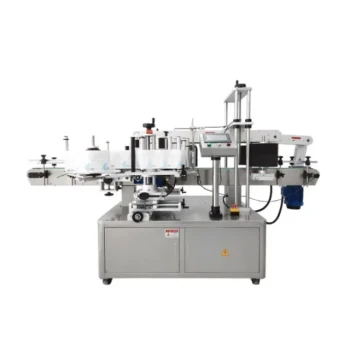
- Automatic Dual Sided In Line Labeling Machine
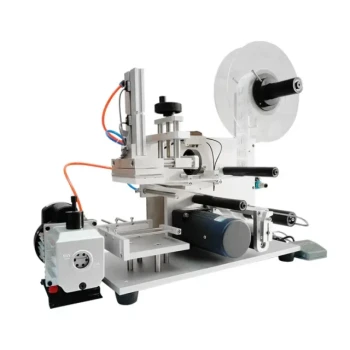
- HONESTBEE Pneumatic Flat Surface Labeling Machine
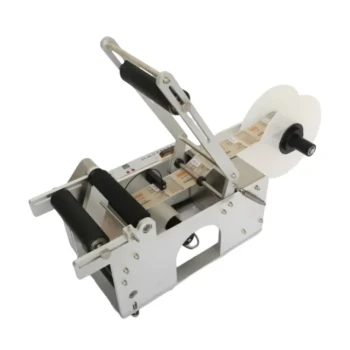
- Semi Automatic Round Bottle Labeling Machine
People Also Ask
- What are the key components of an automatic labeling machine? Unlock High-Speed, Precision Labeling
- What are the efficiency benefits of an automatic labeling machine? Boost Speed, Accuracy & Consistency
- How does an automatic labeling machine operate? Achieve High-Speed, Precise Product Labeling
- How does an automatic labeling machine reduce labor costs? Slash Overhead & Boost Productivity
- What information can be included on labels applied by labeling machines? A Guide to Strategic Labeling