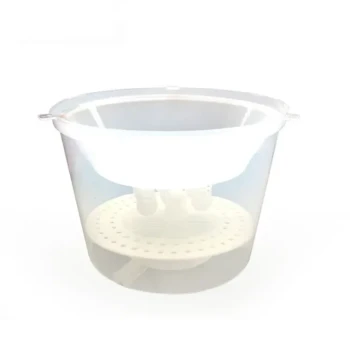
Fermented pollen dough and vinegar act as potent chemical mimics. They replicate the specific volatile signals that Small Hive Beetles (SHB) track when hunting for food or egg-laying sites, effectively tricking the pest into entering the trap.
Core Insight: By simulating the distinct odors of a damaged or fermenting hive, these lures drastically increase the sensitivity of trapping devices, enabling the capture of beetles even in colonies with very low infestation levels.
The Science of Attraction
Mimicking Biological Signals
Small Hive Beetles are driven by instinct to locate specific chemical profiles. Fermented pollen dough and vinegar release volatile compounds that mimic these profiles perfectly.
Targeting Resource Instincts
To a beetle, these scents signal two vital resources: a rich food source and an ideal environment for reproduction. The lure exploits the beetle's biological drive to locate these areas.
Simulating Colony Distress
Fermentation is critical because it specifically replicates the odor of a damaged bee colony. A damaged colony releases high concentrations of signaling molecules, which SHB identify as a vulnerable target for infestation.
Impact on Trap Performance
Moving Beyond Random Chance
Traps without bait rely largely on accidental encounters. The addition of a fermentation lure transforms the trap from a passive device into an active control measure.
High-Sensitivity Detection
Because the chemical signal is strong, it attracts beetles from a wider radius. This allows beekeepers to detect and capture adult beetles early, before the population explodes.
The Biochemical Engine
The physical trap provides the containment, but the bait provides the efficiency. The fermented lure is the key biochemical component that determines the overall success rate of the physical pest control device.
Understanding the Trade-offs
Volatility and Duration
The effectiveness of these lures relies on "volatile" chemicals—molecules that evaporate into the air to create a scent trail.
Maintenance Requirements
Because the chemicals are volatile, they dissipate over time. Unlike stable, non-volatile controls, fermented lures must be monitored and refreshed to maintain the scent concentration necessary for attraction.
Specificity of Attraction
While highly effective for SHB, fermentation odors are intense. Users must ensure the trapping equipment is designed to contain the beetles effectively, as the lure will draw them in aggressively.
Making the Right Choice for Your Goal
- If your primary focus is early detection: Utilize fermented lures to maximize trap sensitivity, allowing you to identify beetle presence even when numbers are low.
- If your primary focus is maximizing catch rates: Ensure your lures are actively fermenting, as the concentration of signaling molecules directly correlates to capture efficiency.
The effectiveness of your physical hardware is ultimately defined by the chemical potency of your lure.
Summary Table:
| Feature | How it Works | Primary Benefit |
|---|---|---|
| Fermented Dough | Mimics odors of damaged colonies | High-sensitivity detection of SHB |
| Vinegar (Acetic Acid) | Replicates volatile food signals | Targets beetle resource-finding instincts |
| Active Attraction | Creates a chemical scent trail | Moves beyond random capture to active control |
| Volatility | Evaporates to broadcast scent | Effectively draws beetles from a wider radius |
Protect Your Commercial Apiary with HONESTBEE
Don't let Small Hive Beetles compromise your honey production. HONESTBEE specializes in supporting commercial apiaries and distributors with high-performance beekeeping solutions. From precision-engineered trapping hardware to honey-filling machines and specialized consumables, we provide everything you need to scale your operations and manage pests effectively.
Partner with the industry leaders today. Contact us now to access our comprehensive wholesale catalog and discover how our premium beekeeping tools and machinery can increase your productivity and hive health.
References
- European Food Safety Authority (EFSA). Small hive beetle diagnosis and risk management options. DOI: 10.2903/j.efsa.2015.4048
This article is also based on technical information from HonestBee Knowledge Base .
Related Products
- Removable Washable Hive Beetle Trap Attractants for Small Hive Beetles
- Reusable Aluminium Beetle Trap for Small Hive Beetles Silver Bullet
- Plastic Beetle Blaster Trap Beekeeping Tools and Supplies
- Reusable Clear Small Hive Beetle Traps for Beehives Beetle Trapping Tools
- Black Plastic Beetle Barn Hive Beetle Trap for Beehives
People Also Ask
- How should powdered substances be used in beetle traps for hive beetle control? Expert Guide for Maximum Colony Protection
- What are the three main types of hive beetle traps? Expert Solutions for Protecting Your Bee Colonies
- What are the types of hive beetle traps available? Master Your Beetle Control Strategy
- What are the main types of hive beetle traps available? A Beekeeper's Guide to Effective Control
- What are the available chemical-free options for trapping hive beetles? Safe and Effective Pest Management Solutions