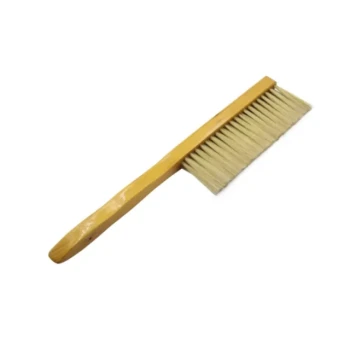
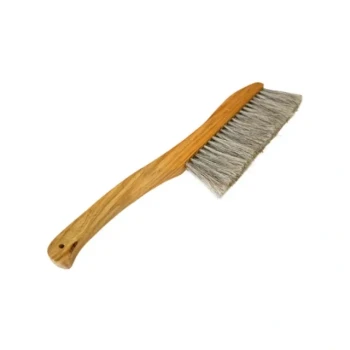
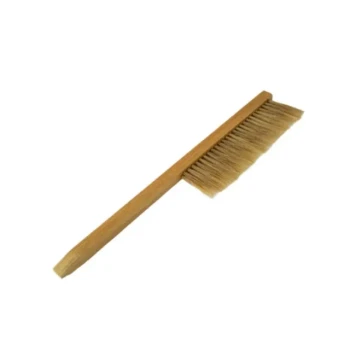
Precision and gentleness are paramount when handling microscopic organisms like Varroa destructor. Fine brushes are considered indispensable because they allow for the transfer of individual mites without inflicting mechanical stress, ensuring the specimen remains physically intact and viable for experimentation.
The primary value of a fine natural-bristle brush lies in its ability to manipulate delicate mites without damaging their exoskeletons or sensory organs. Preserving the physical health of the mite during transfer is critical to ensuring the accuracy and authenticity of subsequent efficacy or behavioral testing.
Preserving Physical Integrity
Minimizing Mechanical Stress
Unlike rigid tools such as tweezers, fine natural-bristle brushes offer flexibility. This softness allows researchers to pick up and transfer mites without applying crushing force. This prevents fatal or debilitating damage to the mite's delicate exoskeleton.
Protecting Delicate Appendages
The extraction process, often involving removing mites from brood caps or larval surfaces, carries a high risk of injury. Brushes effectively prevent damage to the mite's most fragile parts, specifically the mouthparts and legs. Keeping these appendages intact is essential for the mite to function normally in a test environment.
Ensuring Experimental Validity
Maintaining Subject Health
For efficacy testing to be valid, the test subjects must enter the experiment in a healthy physical state. If a mite is injured during the transfer process, it introduces a variable that can skew results. A brush ensures that mortality or weakness observed during a study is due to the experimental variable, not handling trauma.
Preserving Sensory Function
Beyond simple transfer, brushes serve a critical cleaning function. In parasitology experiments, they are used to gently remove residual powders, such as those from sugar shake methods. This ensures the mite's sensory organs are unobstructed, maintaining the authenticity of behavioral experiment results.
The Mechanics of the Tool
Optimal Sizing for Precision
Not all brushes are suitable for this microscopic work. Size 0000 fine fiber brushes are standard in parasitology for this specific task. This level of fineness allows for the isolation and manipulation of a single mite without disturbing surrounding specimens.
Understanding the Trade-offs
The Speed vs. Precision Balance
While brushes offer the highest safety for the mite, they require significantly more time and dexterity than bulk handling methods. This manual process limits the throughput of an experiment, making it less suitable for studies requiring thousands of subjects in a short timeframe.
Risk of Cross-Contamination
Because the brush comes into direct contact with the mite, it can become a vector for pathogens or chemical residues. If the brush is not properly sanitized between transfers, there is a risk of cross-contaminating samples, which could compromise the integrity of biological data.
Making the Right Choice for Your Research
To maximize the reliability of your data, select your tools based on your specific experimental goals:
- If your primary focus is Efficacy Testing: Use fine brushes to ensure low control mortality by preventing physical trauma to the exoskeleton prior to exposure.
- If your primary focus is Behavioral Studies: Use fine brushes to meticulously clean sensory organs of residual dust to guarantee authentic reactions to stimuli.
By treating the transfer process as a critical step in your methodology, you ensure that your data reflects biological reality rather than handling error.
Summary Table:
| Feature | Benefit for Varroa Research | Why it Matters |
|---|---|---|
| Soft Natural Bristles | Minimizes mechanical stress | Prevents exoskeleton crushing or fatal injuries. |
| Size 0000 Fine Fibers | Exceptional precision | Allows isolation of single mites without disturbance. |
| Gentle Flexibility | Protects delicate appendages | Ensures mouthparts and legs remain intact for testing. |
| Cleaning Capability | Removes residual powders | Maintains sensory function for accurate behavior data. |
Elevate Your Beekeeping Operations with HONESTBEE
At HONESTBEE, we understand that success in the beekeeping industry—whether in the lab or the field—requires the right tools. We cater specifically to commercial apiaries and distributors, offering a comprehensive wholesale range of professional-grade beekeeping equipment.
Our portfolio includes everything from precision-handling tools to specialized hardware like hive-making machinery and honey-filling systems. Partner with us to access high-quality industry consumables and honey-themed merchandise designed to scale your business.
Ready to upgrade your inventory or apiary efficiency?
Contact HONESTBEE Today to discuss our wholesale solutions and how we can support your growth.
References
- Sóstenes Rafael Rodríguez Dehaibes, Pablo Corcuera. Susceptibility of<i>Varroa destructor</i>(Gamasida: Varroidae) to four pesticides used in three Mexican apicultural regions under two different management systems. DOI: 10.1080/01647954.2010.525523
This article is also based on technical information from HonestBee Knowledge Base .
Related Products
- Durable 12V Oxalic Acid Vaporizer for Varroa Mite Treatment Beehive Beekeeping Tool
- Oxalic Acid Vaporizer 12V for Bee Varroa Mite Treatment
- Heavy Duty 12V Oxalic Acid Evaporator Vaporizer for Bee Varroa Mite Treatment Beekeeping Fumigator Atomizer
- Adjustable Formic and Acetic Acid Dispenser for Bee Mite Treatment
- Varroa Easy Check Mite Tester Kit Counter Alcohol Wash Jar
People Also Ask
- What are the technical advantages of using professional Sublimators? Maximize Mite Control with Precision Vaporizers
- What is the minimum temperature for oxalic acid vaporization? Optimize Winter Mite Control at 37°F
- What is the recommended procedure for inserting and activating a vaporizer in a beehive? Master Hive Treatment Success
- What factors determine how often to treat for varroa mites with oxalic acid? Time Your Treatment for Maximum Efficacy
- What is the overall goal of using oxalic acid in late fall for beekeepers? Maximize Winter Survival with a Broodless Treatment