Food-grade sealed containers are the primary defense mechanism required to maintain honey's chemical stability and safety. Because honey is both hygroscopic (water-absorbing) and weakly acidic, these containers provide a critical barrier that prevents atmospheric moisture from triggering fermentation and stops the container material itself from leaching harmful substances into the product.
Core Insight Honey is not a static substance; it is chemically active and constantly seeks equilibrium with its environment. A proper vessel does more than hold the liquid—it acts as an inert isolation chamber that freezes the honey’s biochemical profile, preserving it for accurate laboratory analysis and preventing spoilage during commercial storage.
The Critical Role of Moisture Control
Combating Hygroscopicity
Honey possesses strong hygroscopicity, meaning it naturally attracts and absorbs water molecules from the surrounding air. Without a hermetic seal, honey will continuously pull in moisture until it reaches equilibrium with the humidity of the room.
Preventing Fermentation
As honey absorbs atmospheric moisture, its water concentration rises. Once moisture levels exceed critical thresholds, dormant yeasts naturally present in the honey become active, leading to rapid fermentation and spoilage. A sealed container effectively blocks this moisture ingress, preserving the honey's density and preventing it from souring.
Maintaining Biochemical Concentration
For laboratory samples, moisture absorption is disastrous because it dilutes the sample. Sealed containers ensure that specific biochemical markers—such as amino acids and enzymes—remain at their original concentrations, ensuring that subsequent data analysis reflects the true state of the honey at the time of harvest.
Chemical Compatibility and Purity
The Necessity of "Food-Grade" Materials
Standard plastics or non-food-grade materials contain chemicals that can migrate into the food product. Food-grade certification ensures the material is chemically stable and will not leach harmful substances into the honey, guaranteeing the original composition and purity required for rigorous physical and chemical analysis.
Managing Acidity and Reactivity
Honey is naturally weakly acidic. If stored in non-food-grade metal containers, the acid can react with the surface, causing corrosion, rust, or metal ion migration. This not only introduces toxic contaminants but also degrades the honey's flavor profile and nutritional value.
Preventing Cross-Contamination
Beyond chemical migration, sealed containers isolate the honey from external biological threats. They create a sterile environment that prevents microbial contamination and protects the integrity of pollen grains used for identification and origin tracing.
Operational and Physical Benefits
Clarification and Settling
Airtight buckets play a role in the physical refinement of honey. By providing a secure, stagnant environment, they allow air bubbles and fine particulate matter to rise to the top naturally. This facilitates natural clarification without exposing the honey to open air.
Transport Durability
High-quality plastic containers offer pressure resistance and leak-proof seals. This is essential for moving product from remote harvest areas to urban markets, preventing physical loss or damage during long-distance transportation.
Understanding the Trade-offs
While both glass and plastic are viable, understanding their limitations is vital for proper selection.
Glass Limitations
High-cleanliness glass is chemically superior for small samples, offering total inertness. However, it is fragile and heavy. In a commercial setting or during rough transport, the risk of breakage often outweighs the marginal benefit of chemical superiority compared to high-quality plastic.
Plastic Limitations
Not all plastics are equal. You must strictly verify that plastic containers are explicitly food-grade. Lower-quality plastics may look identical but lack the chemical stability to resist honey's acidity over long periods, potentially affecting the flavor and safety of the product.
Making the Right Choice for Your Goal
To ensure the longevity and quality of your honey, choose your container based on your specific objective:
- If your primary focus is Laboratory Analysis: Prioritize sealed glass bottles or high-cleanliness vials to ensure zero chemical interaction and absolute stability of enzymes and pollen.
- If your primary focus is Commercial Transport: Utilize pressure-resistant, food-grade plastic boxes to prevent breakage and leaks while maintaining a moisture-proof seal.
- If your primary focus is Long-Term Bulk Storage: Select food-grade airtight buckets, which prevent fermentation and allow for natural clarification of bubbles and particles.
The container is not just packaging; it is the guarantee of your honey's authenticity and shelf life.
Summary Table:
| Key Feature | Primary Benefit | Operational Value |
|---|---|---|
| Hermetic Sealing | Moisture Control | Prevents water absorption and fermentation. |
| Food-Grade Material | Chemical Inertness | Stops leaching and acidic reactions with containers. |
| Pressure Resistance | Transport Durability | Ensures leak-proof safety during long-distance transit. |
| Internal Isolation | Natural Clarification | Facilitates the rising of bubbles and fine particulates. |
| Biochemical Shielding | Sample Integrity | Preserves original enzyme and amino acid concentrations. |
Secure Your Harvest with Professional Beekeeping Solutions
At HONESTBEE, we empower commercial apiaries and distributors with high-standard equipment designed to maintain honey purity. Our comprehensive wholesale portfolio covers the full spectrum of beekeeping needs, from specialized hardware like hive-making and honey-filling machines to essential food-grade consumables.
How we add value to your business:
- Comprehensive Wholesale Offering: One-stop sourcing for machinery, tools, and honey-themed merchandise.
- Quality Assurance: Specialized containers and equipment that guarantee honey’s biochemical stability and shelf life.
- Scalable Solutions: Expert support for high-volume producers looking to optimize storage and transport efficiency.
Ensure your honey preserves its premium quality from the hive to the laboratory. Contact our team today to explore our wholesale equipment and consumables!
References
- Nishant Ghode. Evaluating the Physico-chemical Properties of Forest Honey. DOI: 10.53550/eec.2023.v29i03s.038
This article is also based on technical information from HonestBee Knowledge Base .
Related Products
- Food Grade Plastic Honey Bucket Pail for Beekeeping
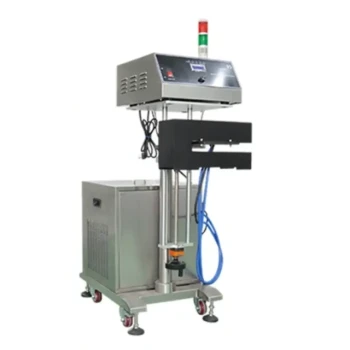
- Professional Water Cooled Induction Sealing Machine for Bottles and Containers
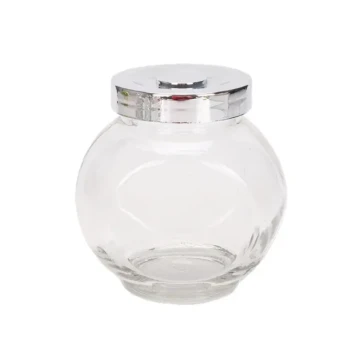
- Classic Drum Shaped Glass Honey Jar with Airtight Lid
People Also Ask
- What key operational precautions should be taken when using honey buckets and extractors fitted with bottom drain taps?
- What functions do food-grade honey buckets perform? Safeguard Your Harvest and Optimize Apiary Logistics
- Why are food-grade plastic buckets preferred for honey? Protect Quality with Modern Honey Collection Tools
- What is the significance of food-grade plastic honey collection buckets? Boost Quality in Forest Honey Logistics
- What is a honey pail? The Essential Container for Protecting Your Honey's Value