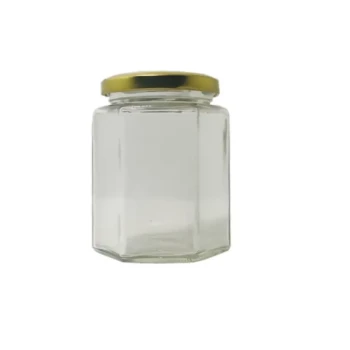
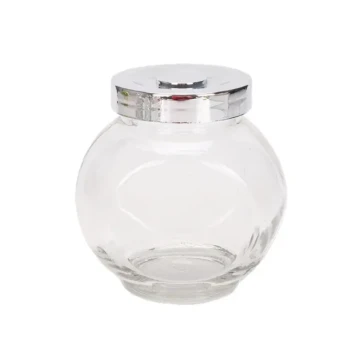
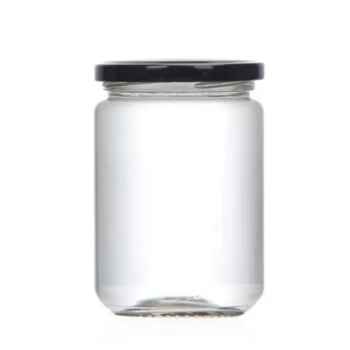
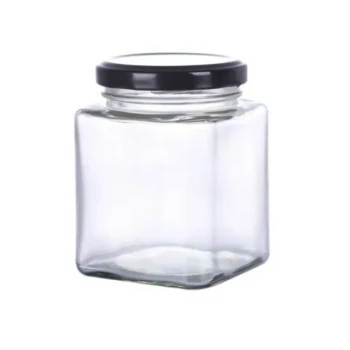
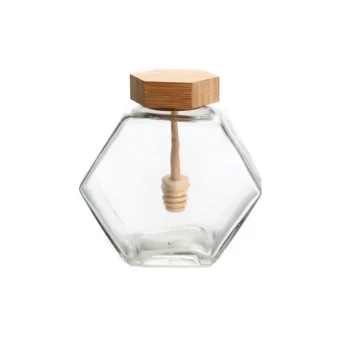
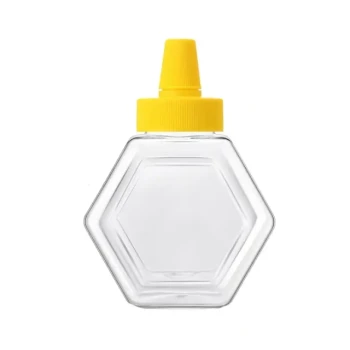
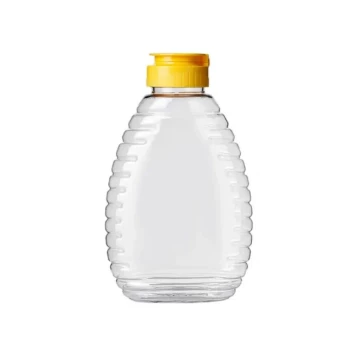
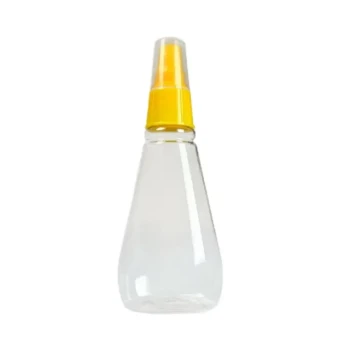
Glass and specialized organic-coated materials are the gold standard for organic honey packaging due to their superior chemical inertness and high-performance barrier properties. These materials prevent chemical migration and reactions between the container and the honey’s naturally acidic components. This ensures that the honey’s delicate enzymes, natural aroma, and strict organic certifications remain untainted throughout the global supply chain.
Choosing inert packaging is a strategic business decision that protects product integrity, ensures regulatory compliance, and enhances marketability in the high-end organic sector. By prioritizing these materials, distributors can guarantee a stable shelf life and maintain the premium value of their inventory.
Preserving the Integrity of High-Value Organic Goods
Eliminating Chemical Migration
Honey is a naturally acidic substance that can react with inferior packaging. Glass and specialized organic coatings provide a non-reactive surface that prevents the leaching of microplastics, odors, or metallic residues into the product.
Protecting Biological Activity
Organic honey is valued by consumers for its live enzymes and complex nutritional profile. Inert materials maintain these physicochemical properties, preventing the biological degradation that often occurs when honey is exposed to reactive surfaces or external impurities.
Ensuring Regulatory Compliance
For wholesalers, maintaining "organic" status is critical for market access. Using materials that comply with the highest food-grade safety standards ensures that the product remains pure from the point of origin to the end consumer, mitigating the risk of costly shipment rejections.
Maximizing Shelf Life and Profitability
Advanced Atmospheric Barrier Properties
Honey is highly hygroscopic, meaning it readily absorbs moisture from the air. Airtight glass containers effectively block oxygen and moisture, preventing the fermentation and spoilage that can ruin entire batches during long-term storage.
Thermal Stability for Inventory Management
Crystallization is a natural process in high-quality honey that often requires gentle reheating. The heat resistance of glass allows distributors to liquefy crystallized honey in warm water baths without the need to transfer the product, saving labor costs and preventing contamination.
Preserving Aroma and Flavor Profiles
The volatile compounds that give organic honey its unique floral notes are easily lost in porous packaging. Glass provides an impenetrable barrier that locks in the natural aroma, ensuring the product retains its premium sensory appeal until it reaches the retail shelf.
Building Consumer Trust and Market Value
Visual Transparency and Product Purity
In the B2B space, visual verification is a powerful sales tool. High-quality glass allows resellers and consumers to inspect the color and clarity of the honey, providing immediate proof of quality and building brand loyalty.
Suitability for Premium Branding
Glass packaging is synonymous with luxury and health in the organic market. It provides a superior medium for high-end branding and gift-set positioning, allowing distributors to command higher price points compared to plastic-packaged alternatives.
Understanding the Trade-offs
Logistical Weight and Fragility
While glass offers the best protection, it is significantly heavier than plastic, which can increase shipping and fulfillment costs. Additionally, it requires more robust secondary packaging and careful handling to prevent breakage during rapid delivery cycles.
Higher Upfront Procurement Costs
Specialized organic coatings and premium glass jars require a higher initial investment than standard food-grade plastics. However, this cost is typically offset by the reduced risk of product spoilage and the ability to target higher-margin market segments.
How to Apply This to Your Distribution Strategy
- If your primary focus is luxury or gift markets: Prioritize high-transparency glass jars to showcase product purity and support premium brand positioning.
- If your primary focus is long-haul bulk distribution: Utilize specialized organic-coated containers to balance the need for chemical inertness with a reduction in shipping weight and breakage risk.
- If your primary focus is maintaining strict organic certification: Partner with a full-spectrum supplier that provides documented food-grade compliance for all packaging materials to ensure seamless customs and safety audits.
By selecting the right inert packaging, you secure the natural essence of the honey and the long-term success of your distribution network.
Summary Table:
| Feature | Glass & Organic-Coated | Standard Plastic | Business Impact |
|---|---|---|---|
| Chemical Stability | Fully Inert (No Leaching) | Risk of Migration | Protects Organic Certification |
| Barrier Strength | High (Oxygen & Moisture) | Low to Moderate | Prevents Spoilage & Fermentation |
| Sensory Retention | Locks in Aroma & Flavor | Potential Loss of Volatiles | Maintains Premium Product Appeal |
| Market Positioning | Luxury / High-End | Entry-Level / Economy | Supports Higher Profit Margins |
| Thermal Stability | High (Safe for Reheating) | Low (Deformation Risk) | Simplifies Inventory Management |
Partner with HONESTBEE to Elevate Your Honey Distribution Strategy
Maximize your market share in the premium organic sector with HONESTBEE, your dedicated one-stop sourcing partner for commercial apiaries and B2B wholesalers. We understand that packaging is as critical as the product itself.
Beyond providing premium packaging solutions, we offer a comprehensive full-spectrum portfolio including:
- Specialized Machinery: Advanced hive-making and honey-filling machines.
- Beekeeping Equipment: A complete range of professional tools and industry consumables.
- Premium Merchandise: Unique honey-themed cultural goods to diversify your retail offering.
Why HONESTBEE? We empower distributors with deep industry expertise, rapid response times, and ultra-fast delivery. Whether you require OEM/ODM support or reliable supply chains for high-margin organic goods, we are here to help you scale.
Secure your premium supply chain today — Contact HONESTBEE Now!
References
- Kurtuluş Merdan. Türkiye’de Organik Bal Üretimi ve Üretici Sayısı ile Büyüme, İstihdam ve Tarımsal İstihdam Arasındaki İlişkinin Tespitine Yönelik Bir Analiz. DOI: 10.33462/jotaf.1623984
This article is also based on technical information from HonestBee Knowledge Base .
Related Products
- Hexagonal Glass Honey Jars with Metal Lug Caps Elegant Versatile Packaging
- Small Honey Filling Machine Sachet Packing Equipment Single Nozzle
- Honey Stick Filler Vertical Paste Sachet Packing Machine for Honey Sachets
- Food Grade Plastic Honey Bucket Pail for Beekeeping
- Automatic Single-Dose Snap & Squeeze Honey Sachets Packing Machine
People Also Ask
- What is the aesthetic appeal of using glass jars for honey? Elevate Your Brand with Premium Packaging
- What are the logistical challenges associated with using glass jars for honey packaging? Navigating Weight & Fragility
- What are the advantages of glass containers for honey? Elevate Quality and Market Value with Premium Packaging
- What are the technical advantages of using glass jars for honey? Master Commercial Packaging for Premium Purity
- What are the advantages of using glass jars for honey packaging? Preserve Purity & Elevate Your Brand