High-efficiency pest and disease control consumables are the primary safeguard required to secure net operating profits. While Top-Bar Hives offer superior inherent structural protection compared to traditional designs, they are not immune to biological threats. Professional-grade treatments are essential to prevent colony absconding and pathogen spread, ensuring that the hive's design translates into actual yield.
While specialized consumables increase variable costs, this investment is significantly outweighed by higher honey retention and yield growth, making them indispensable for long-term financial stability.
Bridging the Gap Between Design and Health
The Limits of Structural Protection
Top-Bar Hives are renowned for offering better inherent protection than many traditional hive configurations. The single-story, horizontal layout can reduce stress on the colony.
However, physical architecture alone cannot stop microscopic pathogens or persistent pests. Relying solely on the hive's design is a calculated risk that often leads to colony failure in professional operations.
Preventing Colony Absconding
One of the specific risks in Top-Bar management is "absconding," where the entire colony abandons the hive.
High-efficiency disease control products create an environment where the bees feel secure. By eliminating the stress of disease, you drastically reduce the likelihood of the colony fleeing, ensuring long-term stability.
The Economics of Disease Control
Transforming Health into Yield
A healthy colony focuses its energy on foraging and honey production rather than fighting off infection.
Using professional-grade consumables ensures that the colony’s resources are directed toward yield growth. This directly correlates to high honey retention, which is the primary driver of revenue.
Calculating the Return on Investment
It is true that purchasing high-efficiency consumables increases your variable costs.
However, the primary reference data indicates that the resulting increase in output significantly outweighs this expense. These consumables act as an insurance policy that safeguards high net operating profits against catastrophic loss.
Understanding the Trade-offs
Managing Higher Variable Costs
Implementing a high-efficiency control regimen raises your upfront operational expenses.
Unlike a low-intervention approach, this requires available working capital and a willingness to invest in the hive before the harvest is realized. You must budget for these consumables as a non-negotiable line item, not an optional extra.
The Requirement for Consistency
High-efficiency consumables are only effective if applied correctly and consistently.
Investing in the product without investing in the labor or knowledge to apply it effectively results in wasted capital. This approach demands a higher level of management attention than passive beekeeping styles.
Making the Right Choice for Your Goal
To maintain profitability, you must align your consumable strategy with your operational objectives.
- If your primary focus is Maximizing Profit: Prioritize professional-grade disease control to maximize honey retention and offset the increased variable costs.
- If your primary focus is Colony Stability: Use high-efficiency consumables to prevent absconding, ensuring your hive remains populated and productive year-round.
Investing in pest control is not just about keeping bees alive; it is about securing the yield that makes the operation profitable.
Summary Table:
| Factor | High-Efficiency Consumables | Passive Management (Low-Intervention) |
|---|---|---|
| Colony Stability | High (Prevents absconding) | Low (Risk of colony failure) |
| Honey Yield | Maximized through health | Unpredictable / Reduced |
| Variable Costs | Higher upfront investment | Minimal upfront cost |
| Profitability | High net operating profit | Higher risk of catastrophic loss |
| Resource Focus | Foraging and honey production | Fighting disease and pathogens |
Elevate Your Beekeeping Operation with HONESTBEE
At HONESTBEE, we specialize in empowering commercial apiaries and distributors with the tools needed for long-term profitability. Whether you are managing Top-Bar operations or large-scale honey production, our comprehensive wholesale offering covers everything from high-efficiency consumables to advanced honey-filling machines and hive-making equipment.
Our value to your business includes:
- Professional-Grade Consumables: Secure your honey yield and prevent colony loss with our proven pest and disease control solutions.
- Industrial Machinery: Scale your efficiency with our robust honey-processing and hive-manufacturing hardware.
- Full Spectrum Supply: From essential beekeeping tools to unique honey-themed cultural merchandise, we are your one-stop partner.
Ready to transform your biological health into financial growth? Contact us today to discuss your wholesale needs and see how our expertise can support your expansion.
References
- W George. Profitability dynamics of improved and traditional beehive models in Tanzania. DOI: 10.1007/s44279-025-00364-8
This article is also based on technical information from HonestBee Knowledge Base .
Related Products
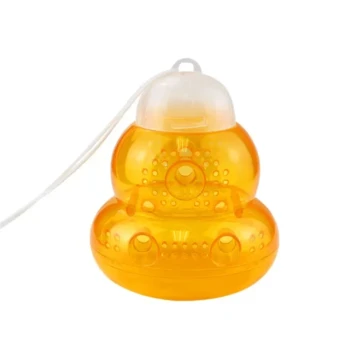
- Gourd Shaped Hanging Wasp Trap Professional Wasp Catcher
- Compact Circular Bee Mite Treatment Dispenser
- Adjustable Formic and Acetic Acid Dispenser for Bee Mite Treatment
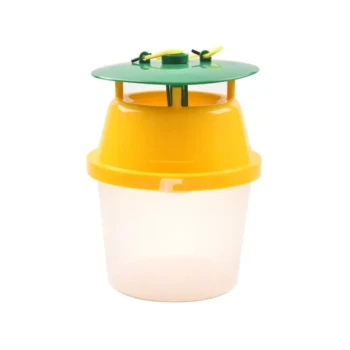
- Professional Bucket Style Wasp and Moth Pheromone Trap
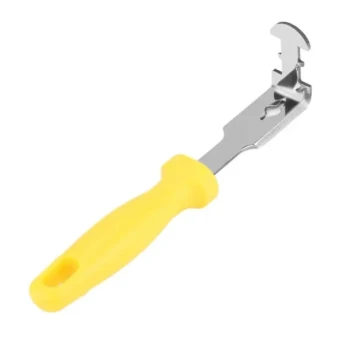
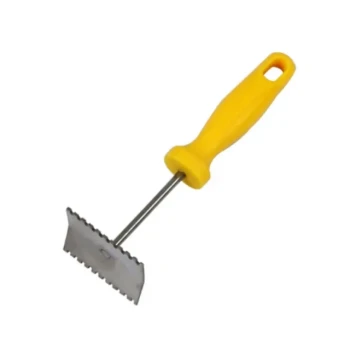
- Heavy Duty Stainless Steel Frame Cleaner with Plastic Handle
People Also Ask
- How do professional wasp traps function? Master Physical Control of Oriental Hornets to Protect Your Apiary
- What are the practical advantages of using professional wasp traps and protective equipment in apiary management? Scale Up
- Why replace sugar syrup bait in wasp traps every three days? Ensure Maximum Attraction and Catch Rates
- What role do specialized wasp traps play in wasp control? Enhance Apiary Security and Pest Monitoring
- How can commercial apiary operators mitigate wasp predation around hives using specialized trapping equipment? Effective strategies for wasp control