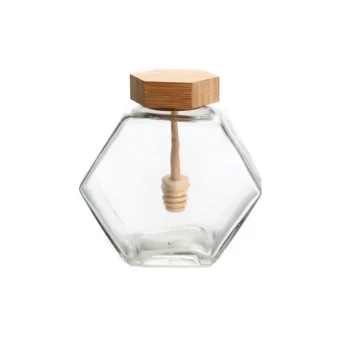
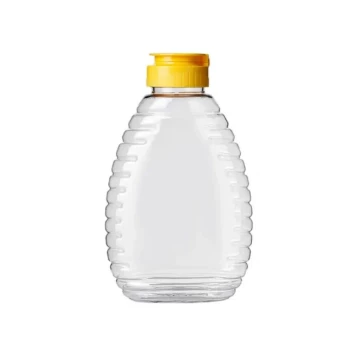
High-sealing airtight jars are a fundamental requirement for the long-term storage of multi-floral cerana honey samples. Their primary function is to create a robust barrier that effectively isolates the honey from environmental oxygen and moisture. By maintaining this isolation, you prevent the chemical breakdown of bioactive compounds and stop the honey from absorbing humidity, which is the leading cause of spoilage.
Core Takeaway: The integrity of scientific analysis depends entirely on preserving the honey's original chemical state. Airtight sealing is the only effective method to stabilize secondary metabolites against oxidation and prevent hygroscopic moisture absorption, ensuring that quantitative data remains accurate over time.
The Mechanisms of Preservation
To understand why a high-quality seal is necessary, you must look at how environmental factors degrade the chemical structure of honey.
Preventing Oxidative Degradation
Oxygen is a primary threat to the bioactive quality of honey. When cerana honey is exposed to air, oxidative degradation begins immediately.
This process targets secondary metabolites with antioxidant activity. Specifically, it degrades phenolics, flavonoids, and ascorbic acid, permanently altering the honey's nutritional and chemical profile.
Blocking Hygroscopic Moisture Absorption
Honey is highly hygroscopic, meaning it naturally attracts and holds water molecules from the surrounding environment.
Without an airtight seal, honey will pull moisture from the air until it reaches equilibrium with the relative humidity. If the water content rises above critical levels (typically 20%), it creates an environment where osmophilic yeasts can proliferate.
Inhibiting Fermentation and Spoilage
The direct consequence of moisture absorption is fermentation. Once yeast becomes active due to excess water, it converts sugars into alcohol and acids.
A high-sealing jar effectively locks the internal environment. This maintains the honey's natural high osmotic pressure, which acts as a preservative by dehydrating microorganisms and preventing spoilage.
Retaining Volatile Compounds
Beyond basic stability, cerana honey contains complex volatile aromatic compounds that define its sensory characteristics.
A compromised seal allows these volatile compounds to escape, leading to a loss of aroma and flavor. An airtight environment ensures that the sensory profile remains consistent with the original production site.
The Impact on Quantitative Analysis
For researchers and analysts, the storage vessel is not just a container; it is a tool for data integrity.
Ensuring Chemical Accuracy
The primary goal of analyzing honey samples is to obtain data that reflects the honey's state at the moment of collection.
If oxidation or fermentation occurs during storage, the resulting quantitative analysis will be skewed. High-sealing jars ensure that the components measured in the lab—such as acidity, moisture content, and antioxidant levels—are authentic.
Preventing Contamination
Airtight seals do more than keep air out; they keep physical impurities out.
A proper seal prevents the entry of external dust, microbes, and environmental pollutants. This guarantees that the sample remains pure for subsequent physicochemical characterization.
Common Pitfalls to Avoid
While the seal is critical, relying solely on tightness without considering other factors can lead to storage failure.
Material Leaching
Not all airtight containers are suitable for honey. You must ensure the jar is made of food-grade material (glass or specific plastics).
Inferior materials can allow harmful substances to migrate from the packaging into the honey. This chemical migration compromises the purity of the sample and invalidates chemical analysis.
Temperature Fluctuations
A seal cannot protect honey from heat degradation if the storage environment is uncontrolled.
Even in an airtight jar, high temperatures can accelerate chemical changes. For optimal results, airtight jars should be paired with cold storage (often around 3±2°C) to further slow degradation rates.
Making the Right Choice for Your Goal
Select your storage protocol based on the specific analytical parameters you intend to measure.
- If your primary focus is Chemical Composition: Prioritize jars with the highest oxygen barrier ratings to protect phenolics and flavonoids from oxidation.
- If your primary focus is Shelf-Life Stability: Ensure the seal is absolute to prevent moisture content from exceeding 20%, which triggers fermentation.
- If your primary focus is Sensory Evaluation: Use inert materials like glass with screw-caps to prevent plastic odor migration and preserve volatile aromatics.
Ultimately, the quality of your data is only as good as the integrity of your seal.
Summary Table:
| Preservation Factor | Impact of Poor Sealing | Benefit of Airtight Jars |
|---|---|---|
| Oxidation | Degrades phenolics and flavonoids | Stabilizes bioactive secondary metabolites |
| Moisture Control | Increases water content (Hygroscopic) | Prevents moisture absorption and spoilage |
| Microbial Growth | Triggers fermentation by yeast | Maintains high osmotic pressure to inhibit yeast |
| Volatiles | Loss of aroma and sensory profile | Retains complex volatile aromatic compounds |
| Data Integrity | Skews quantitative chemical analysis | Ensures authentic laboratory results |
Secure the Quality of Your Harvest with HONESTBEE
Preserving the delicate chemical profile of cerana honey requires professional-grade solutions. HONESTBEE specializes in supporting commercial apiaries and distributors with high-performance beekeeping tools and industrial machinery.
Whether you need precision honey-filling machines to ensure perfect seals or durable, food-grade storage equipment, we provide the full spectrum of hardware and consumables necessary for large-scale operations. Enhance your product integrity and streamline your production with our expert wholesale offerings.
Contact HONESTBEE today for specialized equipment solutions
References
- Vinutha R Bhatta, A Naresh Kumar. QUANTIFICATION OF SECONDARY METABOLITES IN CERANA HONEY AND ITS POTENTIAL ANTIOXIDANT PROPERTY. DOI: 10.7897/2230-8407.1009273
This article is also based on technical information from HonestBee Knowledge Base .
Related Products
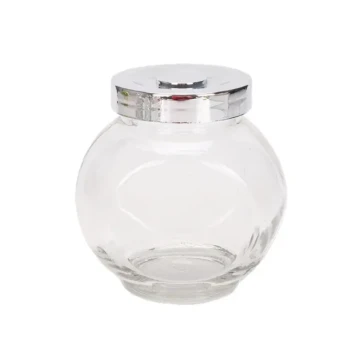
- Classic Drum Shaped Glass Honey Jar with Airtight Lid
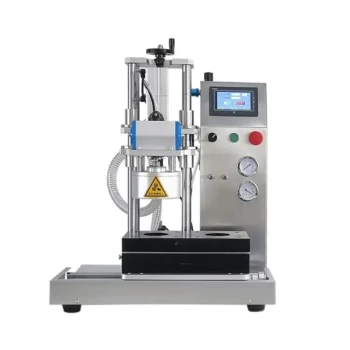
- Semi-Automatic Vacuum Capping Machine with Pneumatic Control for Glass Jars
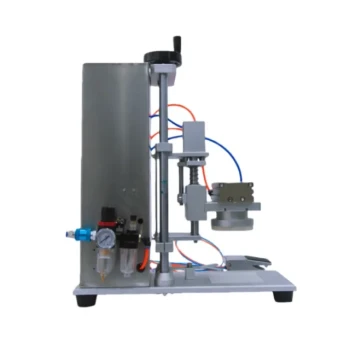
- HONESTBEE Professional Benchtop Pneumatic Bottle Capping Machine Capper
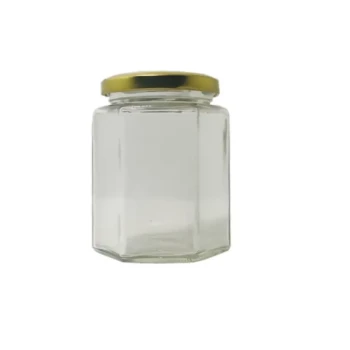
- Hexagonal Glass Honey Jars with Metal Lug Caps Elegant Versatile Packaging
- Hexagonal Glass Honey Jar with Wooden Lid Integrated Dipper Elegant Functional Storage
People Also Ask
- What is the best utensil to store honey? Preserve Purity with the Right Container
- How does the appearance of glass jar packaging affect the sales and perception of honey? Boost Your Premium Brand Value
- Why is a glass jar preferred for packaging honey? Ultimate Protection for Purity & Flavor
- What is the aesthetic appeal of using glass jars for honey? Elevate Your Brand with Premium Packaging
- What are the advantages of glass containers for honey? Elevate Quality and Market Value with Premium Packaging