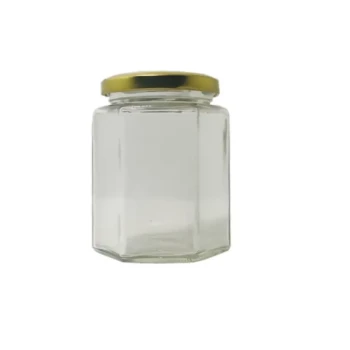
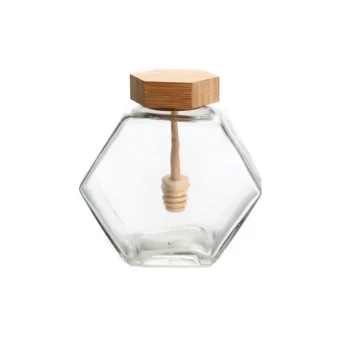
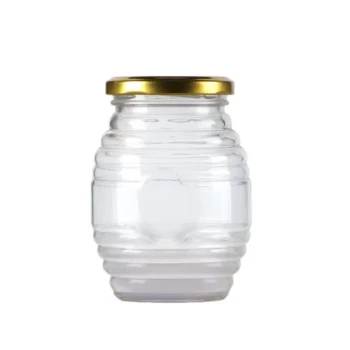
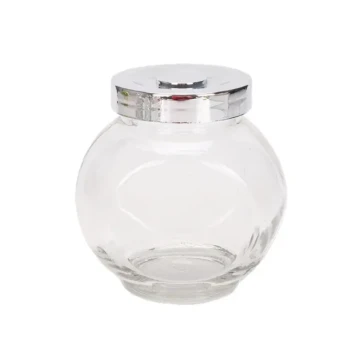
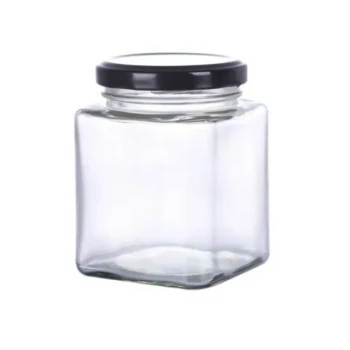
Preserving sample integrity is the cornerstone of accurate honey analysis and high-value B2B trade. Highly sealed glass containers are essential because they provide an impermeable barrier against atmospheric moisture, which prevents hygroscopic honey from fermenting or deteriorating. Furthermore, the chemical inertness of glass ensures that delicate botanical markers and physicochemical properties remain unchanged, providing a reliable baseline for laboratory verification and quality assurance.
Core Takeaway: To maintain the commercial value and analytical accuracy of honey, samples must be stored in high-sealing glass to prevent fermentation and chemical contamination. This method safeguards the original palynological characteristics and biochemical stability required for professional industry certification.
The Science of Sample Preservation
Managing Hygroscopy and Fermentation
Honey is naturally hygroscopic, meaning it aggressively absorbs moisture from the surrounding environment. If the moisture content rises above 20%, it triggers the proliferation of osmophilic yeasts, leading to fermentation and spoilage.
Maintaining Chemical Inertness
Unlike many plastics, glass is a chemically stable material that does not react with the natural acids found in honey. This stability ensures that the sample remains uncontaminated by leaching additives or heavy metal impurities, which is critical for precision instrumental testing.
Gas Impermeability and Odor Protection
Highly sealed glass is effectively impermeable to gases, protecting the sample from absorbing external odors or volatile pollutants. This isolation is necessary to preserve the honey's original botanical flavor profiles and volatile compounds for sensory evaluation.
Protecting Analytical Accuracy
Preservation of Palynological Markers
For distributors, verifying the phytogeographical origin of honey is a key value proposition. High-sealing glass ensures that pollen components do not react with the container material, maintaining the original markers used for geographic and botanical identification.
Safeguarding Fragile Biochemical Components
Honey contains fragile antioxidants like polyphenols and flavonoids, as well as essential enzymes such as amylase and invertase. A sealed environment prevents oxidation and moisture-induced degradation, ensuring that biochemical stability is maintained prior to analysis.
Ensuring Accurate Mineral Profiling
Because glass does not leach minerals or chemicals into the sample, it provides a "clean room" environment for testing. This allows laboratories to provide an accurate mineral profile, which is often used to differentiate premium honey varieties in the wholesale market.
Critical Trade-offs and Considerations
Weight and Logistics Costs
While glass is the gold standard for integrity, it is significantly heavier than plastic, which can increase shipping costs during the sampling phase. For large-scale wholesalers, balancing the need for sample purity with the logistics of rapid delivery requires efficient order fulfillment strategies.
Fragility and Handling Risks
Glass containers are prone to breakage during transit if not handled with professional care. Utilizing a partner with deep industry expertise ensures that samples are packaged to survive the rigors of ultra-fast delivery without compromising the vacuum seal.
Light Sensitivity and Storage
Standard clear glass does not protect honey from photodegradation, which can destroy antimicrobial components like hydrogen peroxide. To maintain full spectrum quality, glass samples should be kept in light-protected environments or secondary packaging during storage and transport.
Optimizing Your Sourcing and Testing Strategy
Professional distributors must prioritize container quality to ensure the honey they trade meets global standards. A one-stop sourcing partner can streamline this process by providing both the premium product and the specialized sampling tools required for verification.
- If your primary focus is Authenticity and Certification: Prioritize high-sealing glass to ensure that pollen counts and phytogeographical markers remain perfectly intact for laboratory verification.
- If your primary focus is Shelf-Life and Stability: Use glass containers to prevent moisture ingress, as even a minor increase in humidity can lead to fermentation and a total loss of batch value.
- If your primary focus is Rapid Market Entry: Partner with a service provider that offers expert sampling kits and efficient fulfillment to move samples from the field to the lab with zero contamination risk.
By selecting the right containment solutions, you protect the biochemical integrity of your inventory and reinforce your reputation as a provider of premium, high-integrity honey.
Summary Table:
| Feature | Analytical Benefit | Business Impact |
|---|---|---|
| Chemical Inertness | Prevents leaching and contamination | Accurate mineral profiling and purity certification |
| Hygroscopic Shield | Blocks moisture ingress | Prevents fermentation and maintains shelf-life value |
| Gas Impermeability | Isolates volatile compounds | Preserves original botanical flavor and aroma profiles |
| Structural Stability | Protects fragile enzymes & pollen | Ensures reliable phytogeographical origin verification |
Scale Your Honey Business with HONESTBEE’s One-Stop Sourcing Solutions
Maintaining the integrity of your honey samples is just the first step in a successful B2B operation. HONESTBEE empowers commercial apiaries, wholesalers, and distributors with a comprehensive, full-spectrum product portfolio. From specialized hive-making and honey-filling machinery to high-quality industry consumables and cultural merchandise, we provide the tools you need to lead the market.
Why partner with HONESTBEE?
- Deep Industry Expertise: Our team understands the technical nuances of honey production and preservation.
- Rapid Fulfillment: Benefit from ultra-fast delivery and efficient order processing to keep your supply chain moving.
- Exceptional Support: We provide dedicated customer service tailored to the high-volume needs of B2B resellers.
Ready to enhance your profit margins and supply reliability? Contact us today to explore our wholesale offerings!
References
- Salim Zerrouk, Rachid Chaibi. Pollen Characterization of Polyfloral Honeys from Laghouat Region (Algeria). DOI: 10.47278/journal.ijab/2022.015
This article is also based on technical information from HonestBee Knowledge Base .
Related Products
- Hexagonal Glass Honey Jars with Metal Lug Caps Elegant Versatile Packaging
- Hexagonal Glass Honey Jar with Wooden Lid Integrated Dipper Elegant Functional Storage
- Classic Glass Honey Jar with Metal Lug Cap for Beehive Storage
- Classic Drum Shaped Glass Honey Jar with Airtight Lid
- Classic Round Glass Honey Jar with Lid
People Also Ask
- What is the aesthetic appeal of using glass jars for honey? Elevate Your Brand with Premium Packaging
- What are the logistical challenges associated with using glass jars for honey packaging? Navigating Weight & Fragility
- What are the advantages of glass containers for honey? Elevate Quality and Market Value with Premium Packaging
- What are the technical advantages of using glass jars for honey? Master Commercial Packaging for Premium Purity
- What are the advantages of using glass jars for honey packaging? Preserve Purity & Elevate Your Brand