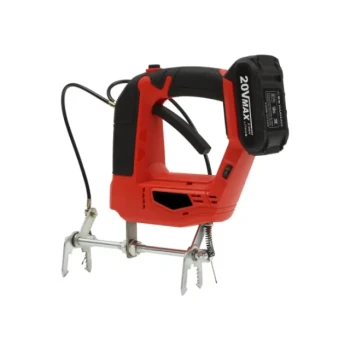
Industrial blowtorches provide a rigorous physical disinfection method essential for maintaining the health of apiaries. They utilize high-temperature flames to rapidly scorch the inner walls of wooden bee hives, effectively sterilizing the material. This intense heat destroys highly resilient pathogen spores, such as those causing American Foulbrood, and eliminates parasite eggs without leaving behind harmful chemical residues.
Reusing beekeeping equipment carries the risk of transmitting dormant diseases to new colonies. The core value of thermal disinfection is its ability to penetrate and neutralize biological threats that standard cleaning might miss, ensuring old equipment is biologically safe for reuse.
The Biological Necessity
To understand why industrial blowtorches are favored, one must understand the resilience of the pathogens that threaten bee colonies.
Destroying Resilient Spores
The primary target of this method is the spore. Pathogens like the one responsible for American Foulbrood produce spores that are incredibly durable.
These spores can remain dormant and viable for decades, surviving standard washing or mild disinfectants. The extreme heat from a blowtorch is one of the few methods capable of physically destroying these spores on contact.
Eliminating Parasite Eggs
Beyond bacteria, hives often harbor parasitic threats. Parasites lay eggs in the crevices of the hive wood which are difficult to reach with brushes or liquids.
Scorching the wood ensures that these eggs are incinerated instantly. This prevents the immediate re-infestation of a colony once the hive is put back into service.
Operational Advantages
While chemical treatments exist, thermal disinfection offers distinct advantages regarding the safety of the honey and the bees.
Zero Chemical Residues
A significant concern in beekeeping is the introduction of foreign chemicals into the hive environment. Chemical disinfectants can linger in the wood, potentially contaminating honey stores or harming sensitive bees.
Using a blowtorch is a purely physical process. Once the wood cools, the hive is sterile and free of any toxic byproducts, making it immediately safe for habitation.
Rapid Surface Treatment
Industrial blowtorches are designed to reach high temperatures very quickly. This allows the beekeeper to "scorch" the surface efficiently.
The goal is to char the surface lightly without compromising the structural integrity of the wood. This speed makes it feasible to treat multiple hive bodies in a short period.
Understanding the Trade-offs
While effective, this method requires caution and is not suitable for every situation.
Material Limitations
This technique is strictly limited to wooden hives. Attempting to use a blowtorch on synthetic hives, such as those made from polystyrene or plastic, will melt the equipment and release toxic fumes.
Fire and Structural Risk
There is a fine line between disinfection and destruction. Excessive application of heat can warp the wood or render the joints brittle.
Furthermore, working with open industrial flames presents an inherent fire safety hazard. It requires a controlled environment and a steady hand to ensure the hive is scorched, not incinerated.
Ensuring Safe Equipment Reuse
Using heat for disinfection is a powerful tool when applied correctly to the right materials.
- If your primary focus is disease control: Prioritize scorching the inner walls until they are lightly browned to ensure the destruction of American Foulbrood spores.
- If your primary focus is equipment longevity: Move the torch constantly to prevent deep charring that could weaken the structural joints of the hive boxes.
- If your primary focus is material compatibility: Verify the hive is 100% wood; never apply this method to plastic frames or Styrofoam components.
Thermal disinfection remains the gold standard for restoring biological safety to wooden apiary equipment without the use of chemicals.
Summary Table:
| Feature | Thermal Disinfection (Blowtorch) | Chemical Disinfection |
|---|---|---|
| Target Pathogens | Resilient spores, parasite eggs, & bacteria | Bacteria & some parasites |
| Residue Level | Zero chemical residues | High risk of chemical lingering |
| Processing Speed | Rapid surface treatment | Requires soaking/drying time |
| Material Suitability | Wooden hives only | Varies by chemical type |
| Environmental Impact | Eco-friendly physical process | May involve toxic runoff |
Maximize Your Apiary Productivity with HONESTBEE
Maintaining a disease-free environment is critical for the success of any commercial beekeeping operation. At HONESTBEE, we empower commercial apiaries and distributors with high-performance tools and machinery designed for professional-grade hive maintenance.
Our comprehensive wholesale portfolio includes:
- Advanced Hive-Making & Honey-Filling Machinery
- Professional Sterilization & Beekeeping Tools
- Durable Hardware & Essential Industry Consumables
- Unique Honey-Themed Cultural Merchandise
Partner with us to streamline your operations and ensure the biological safety of your equipment. Contact us today to learn more about our wholesale solutions and how we can support your business growth!
References
- Mohamed Khamees, M. Elnagar. Knowledge and implementation of good beekeeping practices by beekeepers in New Valley governorate, Egypt. DOI: 10.21608/aasj.2022.312210
This article is also based on technical information from HonestBee Knowledge Base .
Related Products
- Heavy Duty Manual Bee Smoker Blower for Beekeeping
- Adjustable Formic and Acetic Acid Dispenser for Bee Mite Treatment
- European Stainless Steel Bee Smoker for Honey Bee Hive
- Double Row Artificial Fiber Bee Brush for Beekeeping
- Durable 12V Oxalic Acid Vaporizer for Varroa Mite Treatment Beehive Beekeeping Tool
People Also Ask
- What are bee smokers made out of? Choose the Right Material for Your Apiary
- What are the advantages of a manual bee smoker? Enhance Hive Safety with Controlled Cool Smoke Technology
- What is the primary function of a manual bee smoker? Master Hive Control for Safe Inspections
- What is the proper technique for applying smoke to a beehive? Master Calm and Effective Hive Management
- What is the purpose of using a bee smoker for Small Hive Beetle inspections? Master Chemical Control & Hive Safety