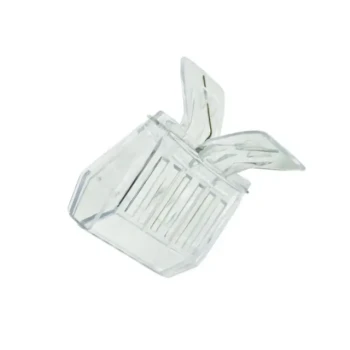
Insect repellent consumables are a critical operational requirement for beekeeping at forest edges due to the heightened density of localized parasites and predatory insects in these zones. By proactively reducing the frequency of infestations, these repellents protect the colony's workforce and directly contribute to the stability of honey production volumes.
Beekeeping at the forest edge exposes colonies to aggressive biological threats that do not exist in other environments. Insect repellents act as a vital stabilizing force, preserving colony health and work efficiency to ensure consistent yields.
The Specific Vulnerability of Forest-Edge Zones
Exposure to Localized Threats
Forest edges are transition zones that often harbor higher biodiversity than open agricultural fields. While beneficial for forage, this environment also supports a higher concentration of parasites and predatory insects.
Apiaries located here are not just passive recipients of nature; they are targets. Without intervention, hives become highly vulnerable to these localized biological attacks.
The Role of Repellents as a Barrier
Insect repellent consumables function as a primary defense mechanism. They are designed to reduce the frequency of infestations before they can establish a foothold in the hive.
This preventative approach is more effective than trying to recover a colony after it has already been compromised by pests.
Operational Impact on Production
Preserving Workforce Efficiency
The core asset of any apiary is the health of its bees. When a colony is under attack from parasites, the bees' energy is diverted from foraging to defense and survival.
Repellents maintain the health and work efficiency of the bees by minimizing these stressors. A healthy bee is a productive bee, capable of maximizing foraging trips during critical flowering windows.
Ensuring Volume Stability
There is a direct correlation between colony health and output. The primary reference indicates that by mitigating pest threats, repellents indirectly ensure the stability of honey production volumes.
For commercial operations, this consistency is vital. It safeguards the harvest against the volatility that normally characterizes high-risk forest environments.
The Necessity of Active Management
Moving Beyond Passive Beekeeping
Operating near forest edges requires a shift from passive observation to active defense. Professional consumables, including repellents, are fundamental tools for this style of effective management.
While the environment offers rich resources, it demands a higher investment in protective measures to secure them.
Safeguarding Against Fluctuations
Supplementary data suggests that managed colonies serve as a buffer against the population fluctuations of wild pollinators. By using repellents to keep managed colonies stable, beekeepers provide a reliable service to the surrounding ecosystem.
This reliability is particularly critical for crops dependent on animal pollination, where managed hives compensate for habitat fragmentation affecting wild species.
Ensuring Operational Resilience
To maximize the success of your apiary, you must align your consumable usage with your specific operational goals.
- If your primary focus is Honey Production: Prioritize repellents to prevent parasite-induced stress, directly stabilizing your production volumes and yield consistency.
- If your primary focus is Crop Pollination: Use repellents as part of a broader maintenance strategy to ensure high levels of pollinator activity during critical flowering periods.
By treating insect repellents as essential infrastructure rather than optional add-ons, you convert the biological risks of the forest edge into a sustainable, productive advantage.
Summary Table:
| Key Factors | Impact on Forest-Edge Beekeeping | Importance Level |
|---|---|---|
| Threat Density | High concentration of forest parasites & predatory insects | Critical |
| Colony Health | Preserves worker efficiency and prevents biological stress | Essential |
| Production Stability | Minimizes infestations to ensure consistent honey volume | High |
| Operational Strategy | Transitions management from passive to active defense | Strategic |
Maximize Your Apiary's Resilience with HONESTBEE
Operating at the forest edge demands professional-grade protection. At HONESTBEE, we specialize in supporting commercial apiaries and distributors with a comprehensive wholesale range of beekeeping tools, machinery, and essential consumables designed to mitigate biological risks.
Whether you need specialized hive-making machinery, honey-filling equipment, or advanced pest management consumables, we provide the industrial-strength solutions required to stabilize your production and safeguard your workforce. From hardware to honey-themed cultural merchandise, HONESTBEE is your partner in global beekeeping excellence.
Ready to secure your honey yields? Contact us today to explore our wholesale catalog!
References
- Gede Suarta, I Gusti Agung Nyoman Dananjaya. Community income of honey bee cultivation in protected forest edge area. DOI: 10.21744/irjmis.v8n6.1938
This article is also based on technical information from HonestBee Knowledge Base .
Related Products
- Professional Bucket Style Wasp and Moth Pheromone Trap
- Gourd Shaped Hanging Wasp Trap Professional Wasp Catcher
- Adjustable Formic and Acetic Acid Dispenser for Bee Mite Treatment
- Compact Circular Bee Mite Treatment Dispenser
- Plastic Bee Pollen Trap Strips Comb Catcher Collector
People Also Ask
- What is the function of Pheromone Traps in the biosecurity monitoring of apiaries? Precision Tools for Pest Control
- What role do Pheromone Traps play in the IPM for Large African Hive Beetles? Essential Surveillance & Control Tips
- How do professional wasp traps function? Master Physical Control of Oriental Hornets to Protect Your Apiary
- What are the practical advantages of using professional wasp traps and protective equipment in apiary management? Scale Up
- Why replace sugar syrup bait in wasp traps every three days? Ensure Maximum Attraction and Catch Rates