Testing efficacy through realistic simulation. Utilizing beeswax combs of varying ages—from pristine new wax to nutrient-dense old combs—is essential to replicate the diverse environments found in commercial apiaries. This method ensures that pest control measures, such as Azadirachtin treatments, are validated against the highest possible "pest pressure" scenarios found in the field.
Core Takeaway: By testing across the full spectrum of wax qualities, researchers and suppliers ensure that control measures can protect the most vulnerable, high-nutrient substrates that Greater Wax Moth larvae naturally prefer.
Simulating Realistic Apiary Conditions
The Nutritional Spectrum of Beeswax
Natural beeswax is not a static material; it evolves chemically and biologically as it ages within the hive. Older combs accumulate layers of cocoon silk, larval remains, and pollen residues, transforming them into high-protein environments.
Attractiveness to Greater Wax Moth Larvae
The Greater Wax Moth (Galleria mellonella) is highly selective, prioritizing older, darker combs for egg-laying and feeding. Research indicates that egg-laying counts on old honeycombs can reach up to 1,308, compared to a mere 392 on new combs.
Replicating Storage Complexity
Apiary storage environments rarely contain only one type of wax quality. Using a variety of ages allows testers to simulate the actual state of beekeeping equipment and consumables that distributors must manage in their supply chains.
Validating Treatment Efficacy
Measuring Biological Pesticide Performance
Testing on varied substrates allows for a comprehensive evaluation of how a biological pesticide covers and penetrates different surfaces. Researchers observe how specific concentrations perform on very old honeycomb versus new honeycomb to ensure consistent mortality rates.
Ensuring Comprehensive Substrate Protection
A treatment that works on new wax may fail on old wax due to the higher nutritional support provided to the larvae. This rigorous testing ensures that the products you source provide full-spectrum protection regardless of the equipment's age or condition.
Strategic Economic Risk Mitigation
By understanding these variables, wholesalers can better advise clients on the necessity of regular comb replacement. This expertise helps prevent moth outbreaks and minimize economic losses for end-users, strengthening your position as a professional industry partner.
Understanding the Trade-offs
The Risk of Relying on Old Wax
While old combs are valuable for testing, their presence in a functioning apiary is a major liability. They act as primary breeding grounds and increase the defensive pressure on worker bees, potentially compromising the hive's structural integrity.
The Limitation of "New Wax" Testing
Testing control measures solely on new wax provides a false sense of security. It fails to account for the high-nutrient food sources that allow Wax Moth larvae to proliferate rapidly in unmanaged or abandoned hive spaces.
How to Leverage This Expertise for Your Business
Providing high-performance pest control requires more than just a product; it requires an understanding of the biological realities of the apiary. Use these insights to refine your inventory and customer guidance.
- If your primary focus is one-stop sourcing: Ensure your portfolio includes both high-sealing storage cabinets and biological control agents that are validated against high-nutrient old wax.
- If your primary focus is rapid order fulfillment: Stock high-demand replacement wax and treatment products simultaneously to help your clients maintain a hygienic hive environment without delay.
- If your primary focus is professional industry expertise: Educate your B2B clients on why "old wax" management is a critical physical control measure that complements chemical or biological treatments.
Expertly navigating the technical nuances of wax quality ensures you deliver products that perform in the most demanding real-world conditions.
Summary Table:
| Wax Age | Nutritional Content | Larval Attraction | Primary Testing Role |
|---|---|---|---|
| New Wax | Low (Pristine) | Low (Base level) | Baseline efficacy & residue testing |
| Old Wax | High (Silk/Pollen) | High (Preferred) | Validating treatment in realistic environments |
| Very Old | Extreme (Dense) | Very High | Stress-testing under "worst-case" pest pressure |
Secure Your Supply Chain with Professional Beekeeping Expertise
HONESTBEE empowers commercial apiaries and B2B distributors with a comprehensive one-stop wholesale offering. Whether you need specialized honey-filling machines, high-durability hive-making equipment, or validated pest control consumables, we deliver deep industry expertise and rapid order fulfillment.
Maximize your profit margins and supply reliability with our full-spectrum product portfolio. Contact HONESTBEE Today to access premium trading services and ensure your clients receive the highest standard of apiary protection.
References
- Xiaoling Su, Zhi Jiang Zeng. Active Components of 16 Essential Oils and Their Fumigation Effects on Galleria mellonella (Lepidoptera: Pyralidae). DOI: 10.3390/insects15120977
This article is also based on technical information from HonestBee Knowledge Base .
Related Products
- Manual Beeswax Comb Foundation Machine Wax Foundation Mill Embossing Machine
- Beeswax Foundation Sheets Beehive Foundation for Wholesale
- Notebook Style Beeswax Foundation Mould Wax Foundation Mold
- Stainless Steel Honey Bee Smoker Hive and Honeycomb Smoker for Beekeeping
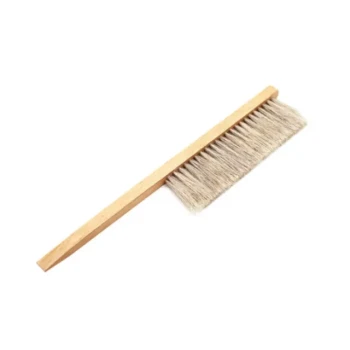
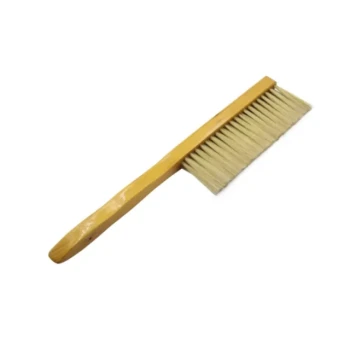
- Wooden Bee Brush with Double-Row Horsehair Bristles
People Also Ask
- What are the primary technical challenges faced by beeswax foundation production machinery? Tackling Lipophilic Residues
- What are the advantages of implementing a pulley and belt drive system in beeswax foundation machinery? Master Quality.
- What role does a foundation machine play in the recycling and resource utilization of beeswax within an apiary?
- Why is the introduction of a beeswax foundation machine considered an important step in improving honey yields?
- How do beeswax foundation machines facilitate the internal recycling of beeswax? Build a Self-Sustaining Apiary