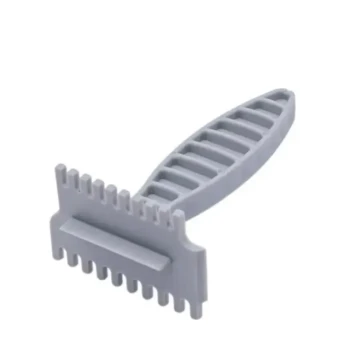
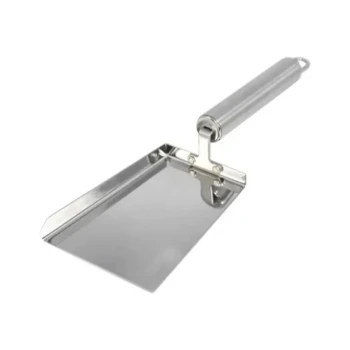
To ensure the chemical validity of the sample, plastic scrapers are preferred over metal tools because they are chemically inert. By using a non-reactive material, researchers effectively eliminate the risk of metal contamination during the physical extraction process. This safeguards the integrity of the pollen specifically for subsequent laboratory analysis.
Core Takeaway The choice of collection tool dictates the reliability of your data. Plastic tools prevent trace metal contamination that can distort bromatological results, ensuring that critical measurements—such as protein content—reflect the sample's true composition rather than artifacts introduced by the equipment.
The Criticality of Chemical Inertness
Avoiding Metal Contamination
The primary risk when using metal tools is the introduction of foreign elements into the sample. Metal scrapers can shed microscopic particles or react with the sample environment, altering its composition.
Plastic scrapers act as a non-reactive barrier. Their chemical inertness ensures that the original components of the pollen remain undisturbed during the mechanical action of removal.
Preserving Bromatological Accuracy
The ultimate goal of collection is often detailed chemical analysis, known as bromatological analysis. To accurately measure specific attributes, such as protein content, the sample must be chemically pure.
If metal contamination occurs, it can skew these precise measurements, rendering the resulting data invalid. Plastic tools eliminate this variable, providing a baseline of purity required for rigorous scientific study.
A Holistic Approach to Sample Quality
The Role of Field Preservation
While the scraper protects chemical composition, the immediate storage environment protects physical quality. Supplementary protocols often pair plastic tools with ventilated plastic containers.
Freshly collected pollen contains natural moisture. Without proper airflow, this moisture can lead to mold growth or quality degradation, particularly in high-temperature field conditions.
Ensuring Identification Accuracy
The combination of inert tools and ventilated storage serves a single purpose: data accuracy. Ventilation prevents the biological breakdown of the sample, while plastic tools prevent chemical alteration.
Together, these methods ensure that the sample reaching the laboratory allows for accurate identification and analysis, free from both biological rot and metallic interference.
Understanding the Trade-offs
Durability vs. Purity
While metal tools are often favored in general beekeeping for their rigidity and durability, they are fundamentally unsuitable for analytical sampling. The trade-off here is clear: one sacrifices the mechanical strength of metal for the chemical reliability of plastic.
In a research context, the longevity of the tool is secondary to the purity of the sample. Using a metal tool might be faster or easier on hard combs, but it compromises the very data you are trying to collect.
Ensuring Data Validity in the Field
To guarantee the success of your sampling project, align your equipment choices with your analytical goals.
- If your primary focus is Chemical Analysis (e.g., Protein): You must use plastic scrapers to prevent metal contamination and ensure the bromatological integrity of the sample.
- If your primary focus is Sample Preservation: You should utilize ventilated containers to facilitate airflow, reduce moisture accumulation, and prevent mold growth before the sample reaches the lab.
The integrity of your final analysis is established the moment the tool touches the comb.
Summary Table:
| Feature | Plastic Scrapers | Metal Scrapers |
|---|---|---|
| Chemical Reactivity | Inert / Non-reactive | Risk of trace metal shedding |
| Sample Integrity | Preserves bromatological data | Potential for contamination |
| Primary Use Case | Scientific research & analysis | General beekeeping & maintenance |
| Data Accuracy | High (Protein content reliability) | Low (Skewed chemical baseline) |
| Storage Pairing | Best with ventilated containers | N/A |
Elevate Your Bee Research and Commercial Yields with HONESTBEE
At HONESTBEE, we understand that precision in the field leads to success in the market. Whether you are a commercial apiary focusing on high-purity pollen collection or a distributor seeking professional-grade equipment, we provide the tools necessary to maintain the highest industry standards.
Our comprehensive wholesale portfolio includes:
- Precision Tools: Chemically inert scrapers and specialized collection equipment for researchers.
- Advanced Machinery: State-of-the-art hive-making and honey-filling machines to scale your operations.
- Essential Consumables: A full spectrum of beekeeping hardware and honey-themed cultural merchandise.
Don't let inferior tools compromise your sample integrity or production efficiency. Partner with an industry expert who understands the science of beekeeping.
Contact HONESTBEE today to discuss your wholesale needs and discover how our specialized equipment can transform your apiary's performance.
References
- Vagner de Alencar Arnaut de Toledo, Juliano Hídeo Hashimoto. Desenvolvimento de colônias de abelhas <em>Apis mellifera</em> africanizadasna região de Maringá, Estado do Paraná. DOI: 10.4025/actascianimsci.v29i1.265
This article is also based on technical information from HonestBee Knowledge Base .
Related Products
- Plastic Bee Pollen Trap Strips Comb Catcher Collector
- Removable Plastic Pollen Trap With Ventilated Tray for Bees Pollen Collector
- 30 cm Plastic Entrance Hole Bee Pollen Trap and Collector
- Heavy-Duty Ergonomic Grip Galvanized Pollen Shovel
- Lightweight Durable Plastic Queen Excluder Scraper for Beekeeping
People Also Ask
- For what reasons do beekeepers collect bee pollen? Boost Hive Health and Unlock New Revenue Streams
- What are the design principles and advantages of pollen traps in the collection of bee pollen? Boost Your Apiary Yield
- What are the ideal weather conditions for installing a bee pollen trap? Ensure Colony Safety with Expert Timing
- Why is frequent harvesting of bee pollen from traps necessary for quality control? Ensure Freshness and Prevent Mold.
- What is the primary function of bee pollen traps? Optimize Your Pollen Harvest with Advanced Extraction Efficiency